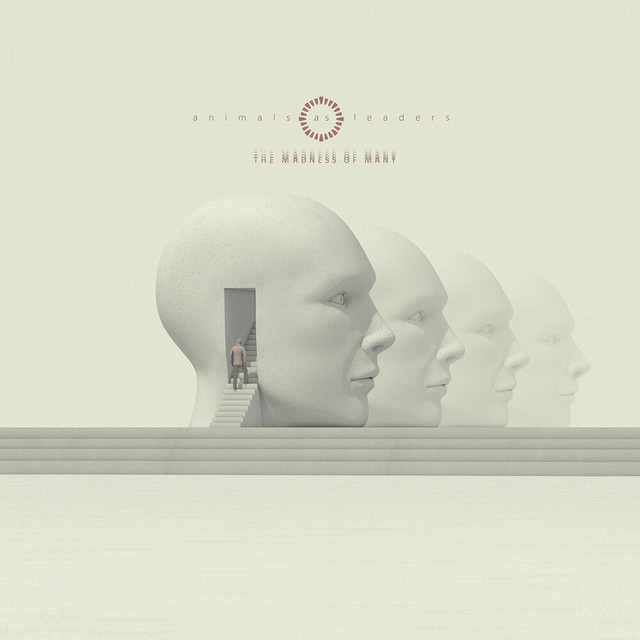
The Madness of Many
Stick to Your Guns, Faceless, The, After the Burial, Veil of Maya, Brewer, Evan, Asking Alexandria, Asking Alexandria, Upon a Burning Body, Stray From the Path, Periphery, I See Stars, Veil of Maya, Conducting From the Grave, I, the Breather, I See Stars, Asking Alexandria, Asking Alexandria, Born of Osiris, T.R.A.M., HAARP Machine, The, Sea of Treachery, I See Stars, Stick to Your Guns, Enfold Darkness, Structures, I See Stars, Stick to Your Guns, Asking Alexandria, Dead Letter Circus, Betraying the Martyrs, Born of Osiris, Upon a Burning Body, Enfold Darkness, Born of Osiris, Periphery, Circle of Contempt, I See Stars, Stick to Your Guns, Lower Than Atlantis, Stick to Your Guns, Lower Than Atlantis, Creature Feature, Veil of Maya, Creature Feature, Asking Alexandria, Faceless, The, Stick to Your Guns, Periphery, Conducting From the Grave, Periphery, Asking Alexandria, Faceless, The, Asking Alexandria, Asking Alexandria, After the Burial, Asking Alexandria, Structures, Veil of Maya, Kenotia, Asking Alexandria, I, the Breather, Veil of Maya, Faceless, The, Make Me Famous, Periphery, Asking Alexandria, Stick to Your Guns, After the Burial, Born of Osiris, Blackguard, Upon a Burning Body, Born of Osiris, Asking Alexandria, Faceless, The, Stick to Your Guns, Too Pure to Die, Asking Alexandria, Stray From the Path, After the Burial, Born of Osiris, Born of Osiris, I See Stars, Stray From the Path, Borgore, Asking Alexandria, Stray From the Path, Agraceful, Periphery, Francesco Artusato Project, The, After the Burial, Born of Osiris, Blackguard, Veil of Maya, Stick to Your Guns, Periphery, Circle of Contempt, Dead Letter Circus, Abacabb, Borgore, Born of Osiris, Body Count, Darkest Hour, Asking Alexandria, City in the Sea, Stick to Your Guns, Night Riots, Night Riots, Asking Alexandria, Crosses, Periphery, Periphery, Veil of Maya, Periphery, Crosses, From First to Last, Darkest Hour, Crosses, Asking Alexandria, Stray From the Path, I See Stars, Palaye Royale, Born of Osiris, Capture, Come the Dawn, Stick to Your Guns, Dayshell, ERRA, Crosses, Night Riots, HAARP Machine, The, Stray From the Path, Brewer, Evan, Circa Survive, Stick to Your Guns, Circa Survive, Dillinger Escape Plan, The, Crosses, Down & Dirty, From First to Last, Crosses, After the Burial, Structures, Crosses, I See Stars, Pope, Cassadee, Circa Survive, Stray From the Path, Crosses, Asking Alexandria, Upon a Burning Body, ERRA, Asking Alexandria, Asking Alexandria, I See Stars, I See Stars, Crosses, Crosses, Asking Alexandria, Veil of Maya, Circle of Contempt, Kindred, The, Mestís, Dillinger Escape Plan, The, Asking Alexandria, Betraying the Martyrs, HAARP Machine, The, I, the Breather, Dillinger Escape Plan, The, HAARP Machine, The, Dillinger Escape Plan, The, McKinney, Lee, Periphery, Mestís, Darkest Hour, Stick to Your Guns, Stick to Your Guns, Various Artists, CHON, Born of Osiris, Various Artists, Lesser Key, Circa Survive, Mestís, I, the Breather, After the Burial, Animals as Leaders, Kindred, The, Periphery, Body Count, Asking Alexandria, Stick to Your Guns, Crosses, Asking Alexandria, Animals as Leaders, CHON, Veil of Maya, Asking Alexandria, Miss Fortune, After the Burial, Structures, Night Riots, September Mourning, Bad Omens, Oceano, Veil of Maya, Betraying the Martyrs, Upon a Burning Body, Faceless, The, Asking Alexandria, I See Stars, Darkest Hour, DRÆMINGS, Slaughter to Prevail, Animals as Leaders, The Relentless, Slaughter to Prevail, Through Fire, Through Fire, Darkest Hour, Oceano, Asking Alexandria, Dillinger Escape Plan, The, Betraying the Martyrs, Asking Alexandria, I See Stars, Born of Osiris, Asking Alexandria, Giles, Thomas, Stray From the Path, After the Burial, Asking Alexandria, Upon a Burning Body, Mestís, ERRA, Upon a Burning Body, Asking Alexandria, Night Riots, Animals as Leaders, CHON, ERRA, Born of Osiris, Stray From the Path, Kindred, The, Giles, Thomas, Through Fire, Faceless, The, Stray From the Path, Mestís, Stray From the Path, Born of Osiris, CHON, Veil of Maya, Through Fire, Animals as Leaders, Night Riots, Kindred, The, Palaye Royale, Veil of Maya, Animals as Leaders, Born of Osiris, Night Riots, Veil of Maya, Night Riots, Giles, Thomas, I See Stars, Bad Omens, Asking Alexandria, Stray From the Path, I See Stars, Slaughter to Prevail, Born of Osiris, After the Burial, Oceano, I See Stars, September Mourning, From First to Last, Stray From the Path, Garris, Bryan, Periphery, Asking Alexandria, Through Fire, New Volume, Animals as Leaders, After the Burial, Upon a Burning Body, Giles, Thomas, Asking Alexandria, Asking Alexandria, Bad Omens, Palaye Royale, Oceano, Through Fire, Starbenders, Bad Omens, Circa Survive, mewithoutYou, Periphery, Veil of Maya, Slaughter to Prevail, Bad Omens, Betraying the Martyrs, Stray From the Path, Betraying the Martyrs


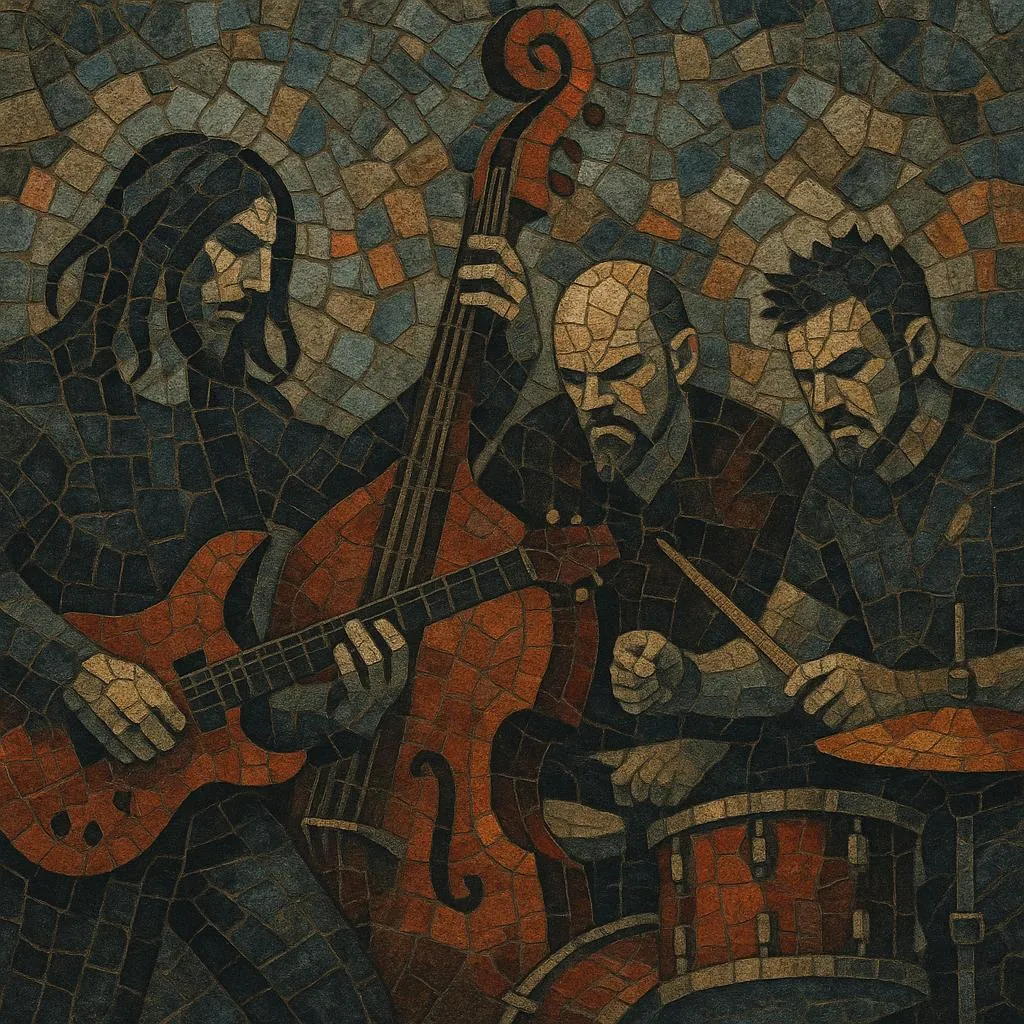
![Instrumental Jazz Metal You Need To Be Listening To [EP. 1]](https://i.ytimg.com/vi/ebVsFHftxeE/hqdefault.jpg)