Your digging level
Description
Cosmic death metal is a branch of death metal that fuses technical and progressive riffcraft with space‑oriented atmospheres and science‑fiction thematics.
Musically, it combines the heft and speed of classic death metal with expansive, reverb‑drenched leads, layered synths or guitar textures evocative of deep space, and frequent metric and harmonic shifts. Lyrically, it explores cosmology, extraterrestrial life, cosmic horror, and metaphysical themes.
The result is a sound that feels both crushingly physical and vast, often alternating between precision blast‑beat assaults and weightless, ambient or psychedelic passages that suggest starfields and voids.


History
Space and sci‑fi themes entered death metal in the early 1990s, when pioneering bands began pairing Florida‑school intensity and technicality with keyboards, narrative concepts, and futuristic imagery. This era established the template of blending blast‑beat aggression with cosmic atmospheres and progressive song structures.
Through the 2000s, the idea persisted largely in the underground. Demo‑cult bands and a handful of technical and brutal acts carried the torch by emphasizing alien sound design, odd meters, and speculative fiction lyrics, even as the broader death metal scene fractured into many substyles.
A new wave of artists consolidated the style, explicitly branding records and aesthetics around astronomy, space exploration, and cosmic horror. Production embraced both analog warmth and spacious mixes: guitars gained celestial lead tones, bass took a more melodic, fretless or mid‑forward role, and synths or textural pedals painted interstellar backdrops. The term "cosmic death metal" became common critical shorthand for this fusion of atmospheric, technical, and progressive death metal with science‑fiction world‑building.
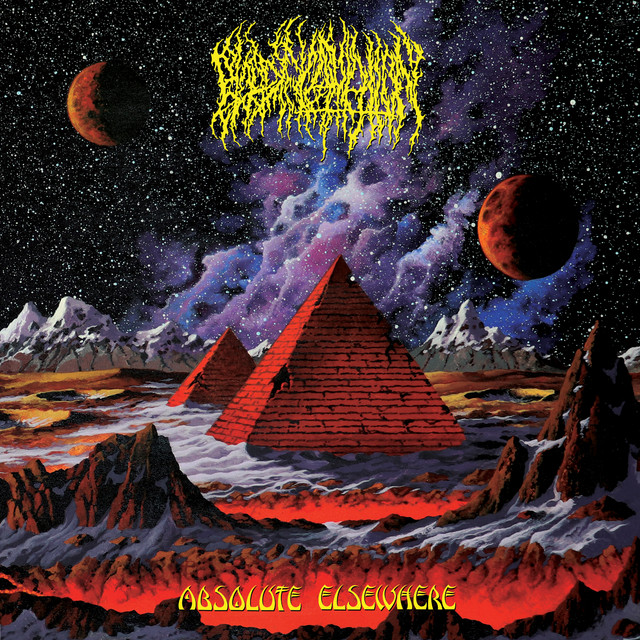
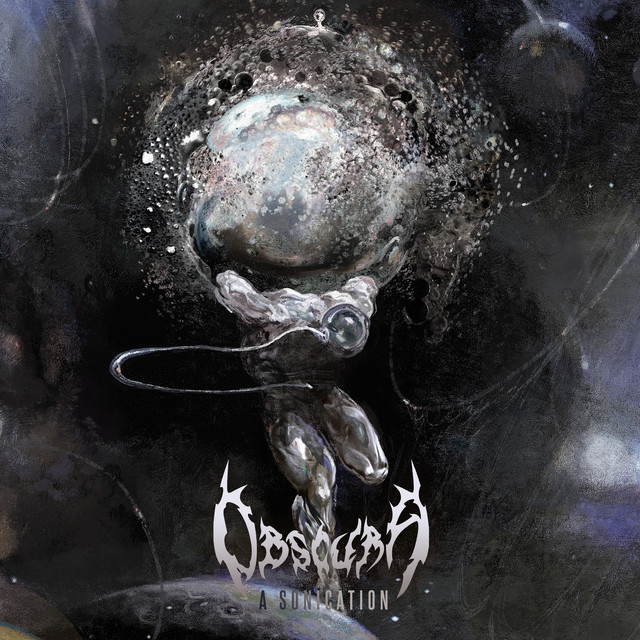
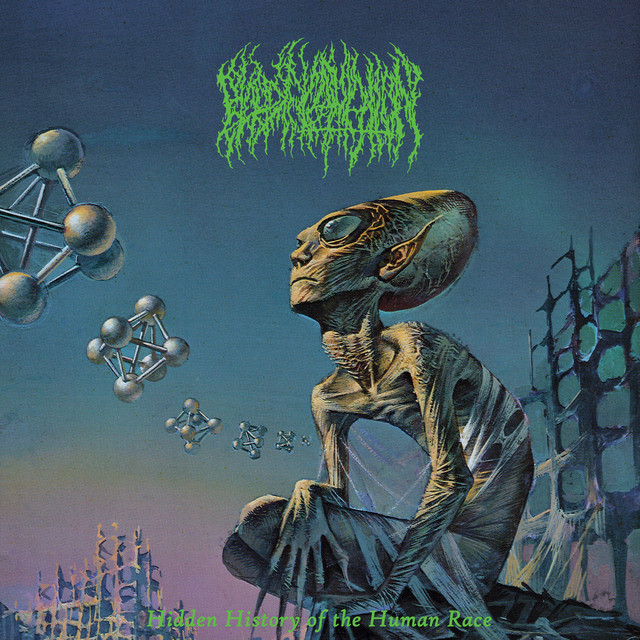
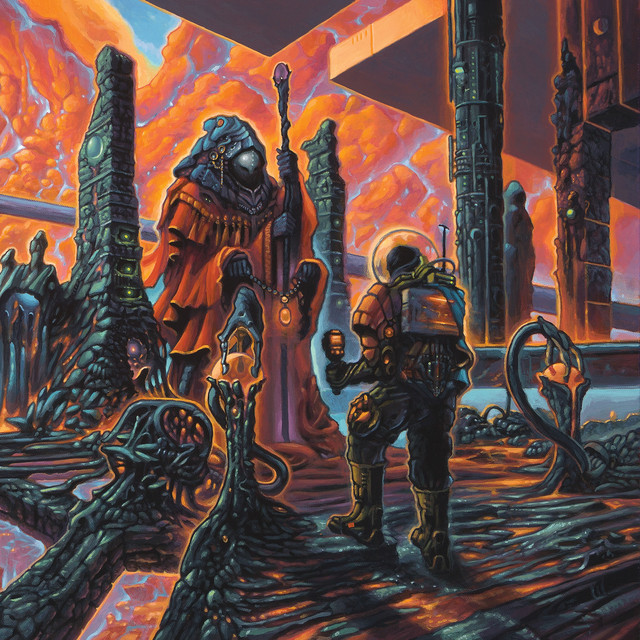
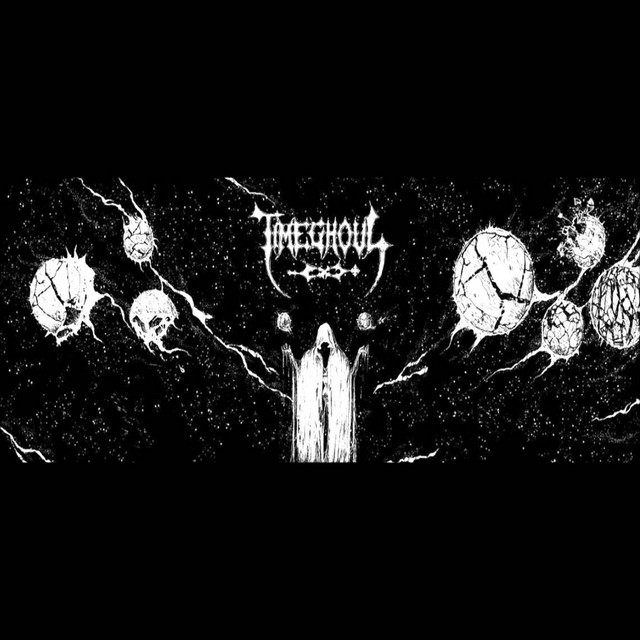
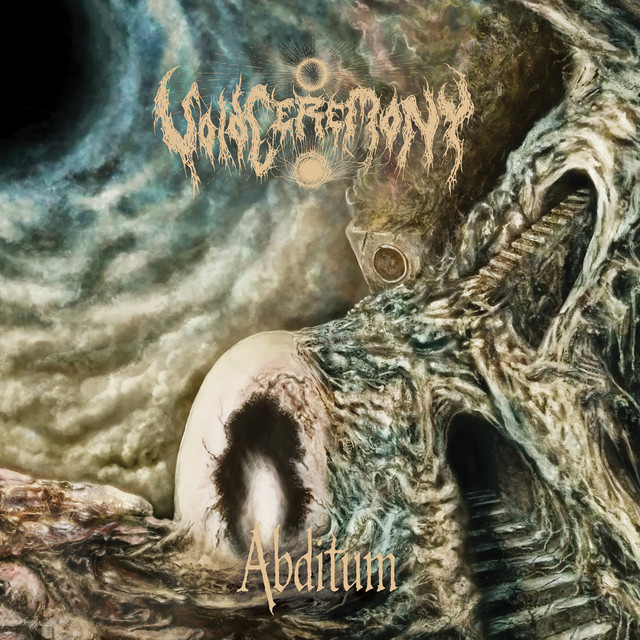
Visuals—nebulae, star maps, wormholes—became central to album art and merch. Lyrics increasingly referenced astrophysics, higher consciousness, and non‑human ontologies, aligning the genre with a broader metal interest in cosmicism and speculative philosophy.