Your digging level

For this genre
0/8
🏆
Sign in, then listen to this genre to level up

Description

Blackened deathcore is a hybrid of deathcore’s breakdown-centric heaviness and black metal’s frostbitten atmosphere, melodies, and blasting speed.

It blends tremolo‑picked minor and diminished riffs, relentless blast beats, and shrieked vocals from black metal with deathcore’s low‑tuned chugs, slam grooves, and colossal, syncopated breakdowns. Many bands expand the sound with symphonic or choral layers, pipe‑organ or string pads, and cinematic sound design to project an apocalyptic, occult, or eschatological mood.

Vocals typically alternate between cavernous gutturals and razor‑edged high shrieks, while guitars use extended ranges and extreme downtuning. The result is a sound that is simultaneously epic and oppressive: theatrical yet ferocious, atmospheric yet crushing.


Sources: Spotify, Wikipedia, Discogs, Rate Your Music, MusicBrainz, and other online sources

History

Origins (late 2000s)

Blackened deathcore coalesced in the late 2000s as deathcore bands began drawing overtly from black metal’s harmony, tremolo riffing, and blasting drum traditions. Early adopters experimented with grim atmospheres, high‑register shrieks alongside gutturals, and occasional keyboards or choirs, setting the template for a darker, more theatrical branch of deathcore.

Consolidation and Expansion (2010s)

Through the 2010s the style solidified. US acts and a growing European contingent emphasized colder chord colors, minor/Phrygian‑leaning harmony, and extended blast passages before collapsing into massive breakdowns. Production grew sleeker and more cinematic, with strings, pipe organ, and choir libraries becoming common. Tours and digital platforms helped establish a shared aesthetic—corpse‑painted visuals, eschatological imagery, and symphonic intros—while retaining deathcore’s pit‑igniting impact.

Modern Era and Viral Breakthroughs (2020s)

In the 2020s the subgenre reached new visibility as several singles and performance clips went viral, showcasing extremes of vocal technique, orchestration, and dramatic song arcs. International scenes (notably in the US, Germany, Denmark, and Canada) flourished, and the style cross‑pollinated with symphonic deathcore and progressive deathcore. Today, blackened deathcore stands as a mature, globally recognized current within extreme metal, balancing atmosphere and aggression with cinematic scale.

How to make a track in this genre

Core Instrumentation
•   Guitars: 7/8‑string or baritone in very low tunings (Drop G and below). Use a blend of black‑metal tremolo lines and deathcore chugs/slams. •   Drums: Extreme double‑kick endurance, multiple blast types (traditional, bomb, hyper‑blast), and halftime breakdown grooves with china‑accented hits. •   Bass: Gritty, distorted low end often doubling guitars; add slides and octave drops for impact. •   Vocals: Alternate layered gutturals (false‑cord) with piercing fry/scream highs; occasional tunnel/false‑cord techniques for dramatic peaks. •   Orchestration/Synths (optional but common): Choirs, strings, pipe organ, and ambient pads to heighten the epic, occult atmosphere.
Harmony and Riff Writing
•   Favor natural minor, harmonic minor, and Phrygian/Phrygian dominant for a sinister hue; spice with tritones, diminished arpeggios, and chromatic neighbors. •   Interleave icy tremolo melodies with dissonant chord punches. Use pedal tones and contrary motion to keep tension under sustained blasts.
Rhythm and Structure
•   Contrast sections: blistering blast segments (220–260 BPM feel) against massive, syncopated breakdowns at halftime. Employ metric modulations and rhythmic false drops to enhance drama. •   Build long crescendos with orchestral swells leading into climactic breakdowns; consider multi‑part “suites” with recurring leitmotifs for a cinematic arc.
Lyrics and Aesthetics
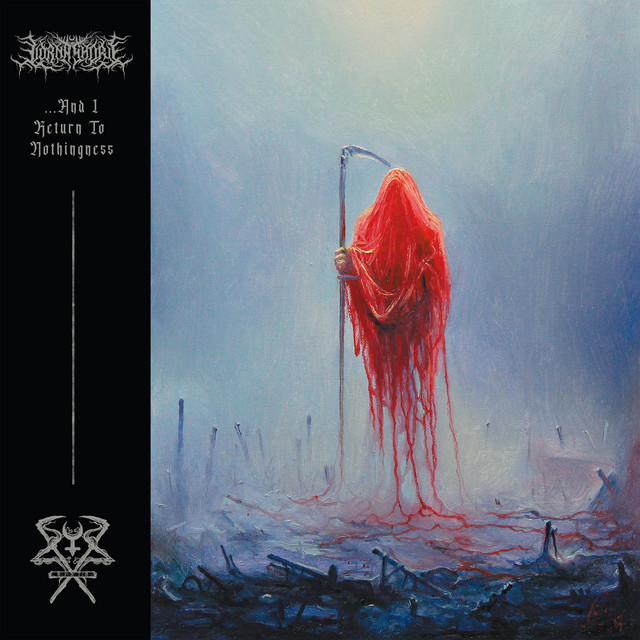
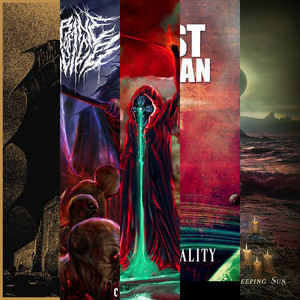
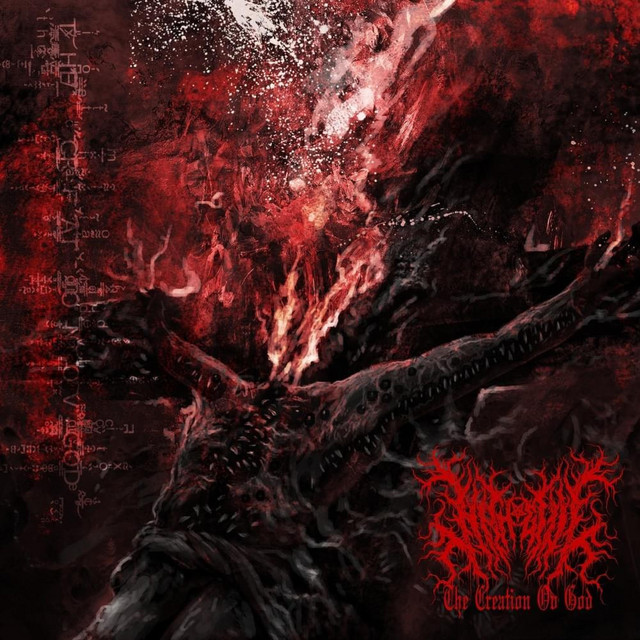
•   Themes: eschatology, mythology, cosmic horror, antediluvian or occult imagery. Use elevated, metaphor‑rich language; Latin phrases and liturgical motifs fit well. •   Visuals: stark monochrome palettes, ritualistic/symbolic artwork to reflect the sound’s bleak grandeur.
Production Tips
•   Layer guitars (quad‑tracking common) and blend cab IRs for clarity in ultra‑low tunings. Parallel saturation on bass and a focused low‑mid scoop to reduce mud. •   Drum production should keep blasts articulate (shorter room tails, controlled cymbal wash). Sidechain orchestral lows to kick/bass to maintain punch. •   Place choirs/strings with wide stereo and long, dark reverbs; automate swells into breakdowns. Master loud but preserve transient impact for breakdown hits.

Top tracks

Locked
Share your favorite track to unlock other users’ top tracks
Influenced by
Has influenced
Challenges
Digger Battle
Let's see who can find the best track in this genre
© 2026 Melodigging
Melodding was created as a tribute to Every Noise at Once, which inspired us to help curious minds keep digging into music's ever-evolving genres.
Buy me a coffee for Melodigging