Your digging level
Description
Thall is a hyper-percussive, ultra–low-tuned offshoot of djent and progressive metal popularized by Sweden’s Vildhjarta. The style emphasizes tightly gated, staccato down‑picking; dissonant chord voicings; and lurching, polymetric grooves that drop into sudden rests and accents.
Characteristic techniques include rapid release bends, stark contrasts between pitch‑shifted highs and subterranean lows, and the use of lush, reverb‑heavy ambient interludes to heighten tension and reset the ear before the next rhythmic assault. The result is a sound that feels both mechanical and cinematic—aggressive yet spacious.


History
The term “thall” emerged from the Swedish scene around Vildhjarta, who used it as an in‑joke descriptor for their unusually dark, choppy take on djent. While Meshuggah and the wider djent movement laid the groundwork (extended‑range guitars, polymeters, syncopated chugs), Vildhjarta pushed the aesthetic toward even lower tunings, harsher dissonances, and a stop‑start punctuation that felt like riffs made of negative space.
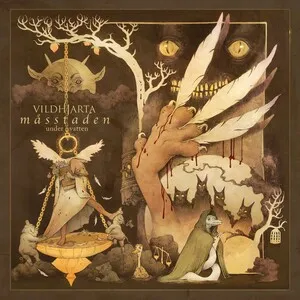
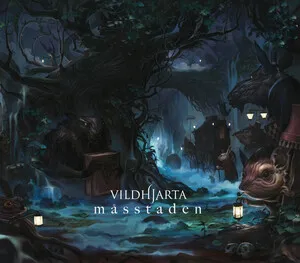
As Vildhjarta’s early singles and the 2011 album “Måsstaden” circulated, fans began using “thall” to tag music that shared these traits—tight down‑picked staccato, jagged metric surprises, and ominous atmospherics. Forums, tab communities, and meme culture helped the label stick, and a cluster of bands adopted similar production choices (heavily gated guitars, scooped low mids, and cinematic pads) while exploring deathcore, metalcore, and progressive directions.
Hallmarks settled in: rapid release bends to create whip‑like accents; octave‑shifting or pitch‑shifting to slam between registers; and ambient passages—drones, swells, and clean guitar soundscapes—to heighten the drop’s impact. Drums leaned on half‑time grooves with dense ghost‑note work, while vocals ranged from abyssal growls to whispered layers for texture.
By the mid‑to‑late 2010s, “thall” had become a recognizable micro‑scene. Its vocabulary bled into progressive deathcore, alternative metalcore, and even electronic‑tinged djent, influencing production choices (tight gating, transient‑focused mixes) and arrangement strategies (tension/release via atmospheric resets).