Your digging level
Description
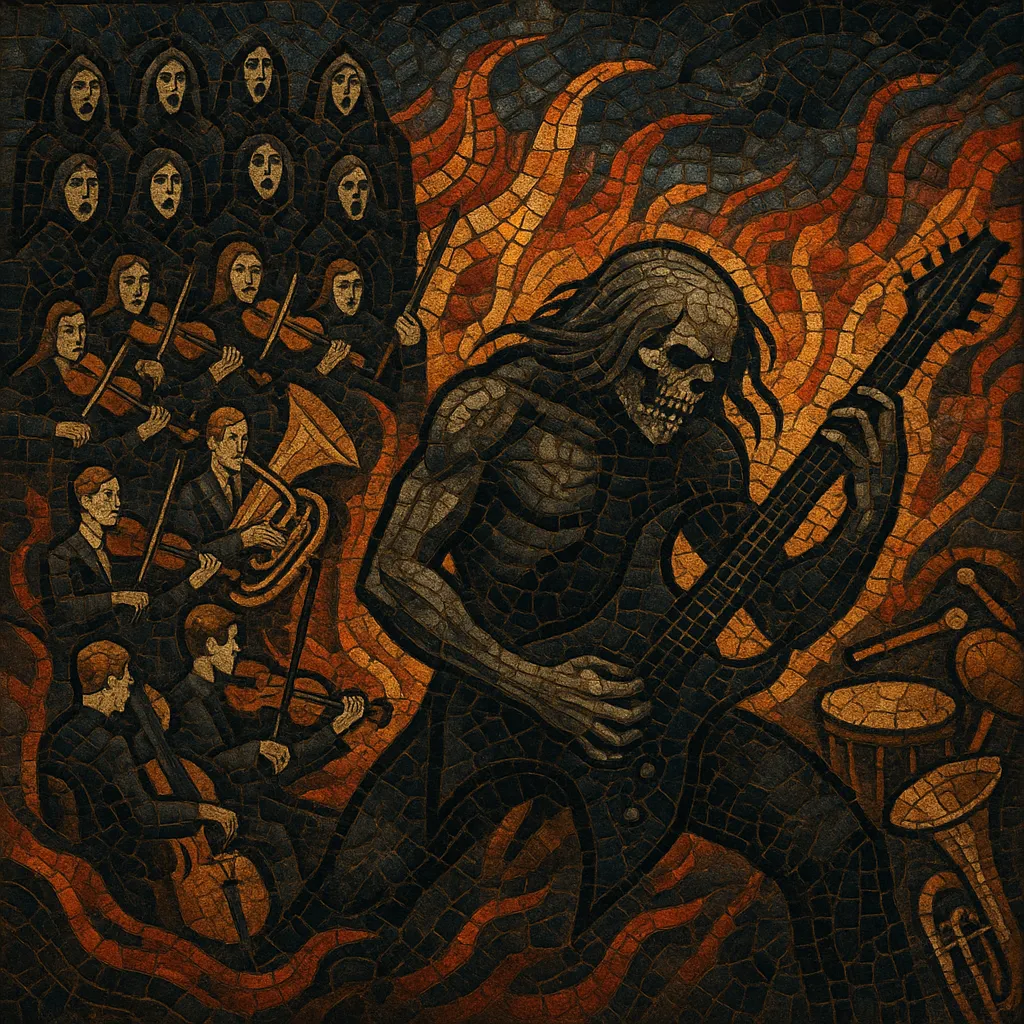
Symphonic deathcore fuses the heaviness and rhythmic vocabulary of deathcore—down‑tuned guitars, blast beats, and breakdowns—with cinematic orchestration and choral writing drawn from symphonic metal and film score aesthetics.
Expect sweeping string sections, brass fanfares, gothic choirs, and thunderous percussion layered over tremolo-picked riffs and double‑kick barrages. Harmony often leans on minor, harmonic minor, and Phrygian colors, while production is polished and widescreen to accommodate both dense guitars and expansive orchestral textures.
The result is a sound that is simultaneously brutal and grandiose: aggressive and modern at its core, yet theatrical and ‘epic’ in scope.
History
Symphonic deathcore emerged in the United States during the mid–late 2000s as deathcore bands began incorporating keyboards and orchestral elements. Early adopters such as Winds of Plague and The Breathing Process layered string pads, choirs, and cinematic sounds over breakdown‑centric frameworks, distinguishing themselves from the more strictly hardcore‑leaning branch of deathcore.
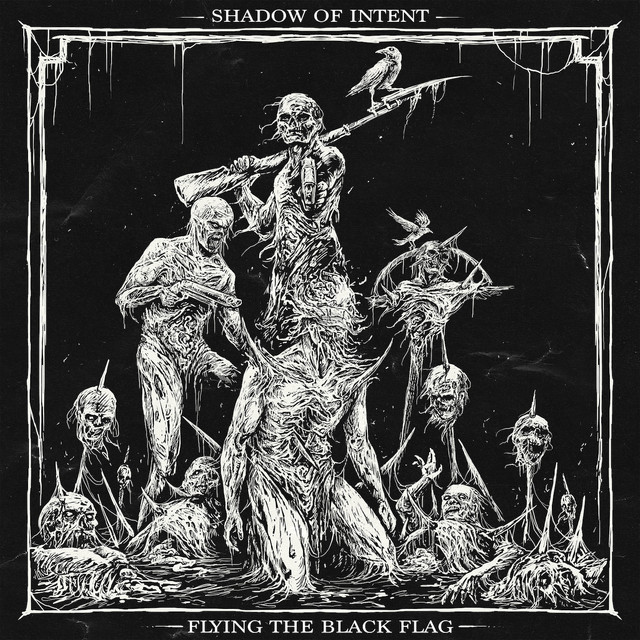
Through the 2010s, the approach matured. Make Them Suffer (Australia) brought melodic piano and string writing into tightly composed song structures, while Shadow of Intent (USA) emphasized operatic choirs and lore‑driven lyricism, aligning the style with symphonic metal’s storytelling tradition. At the same time, established deathcore acts like Carnifex began adopting increasingly sophisticated orchestration, demonstrating the style’s compatibility with traditional deathcore brutality.
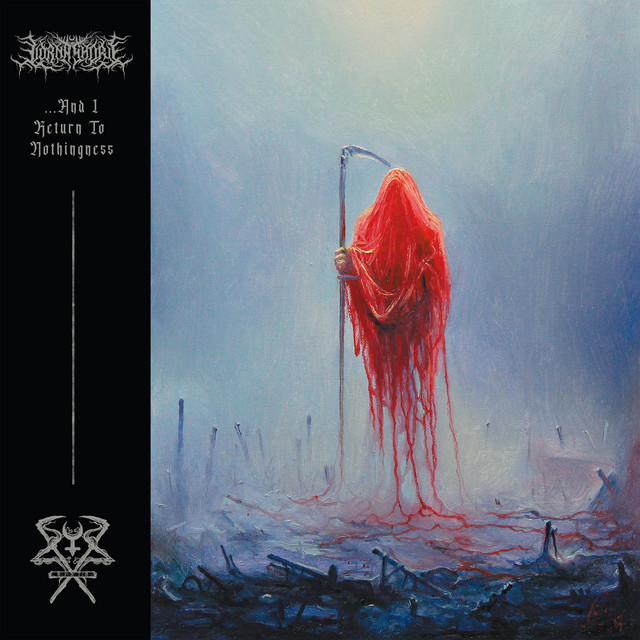
Affordable, high‑quality orchestral sample libraries and a streaming‑driven appetite for dramatic, high‑impact productions fueled a wave of cinematic maximalism. Lorna Shore’s breakout singles and albums popularized towering orchestral backdrops, while groups like Brand of Sacrifice and Mental Cruelty pushed blackened and symphonic facets further. International scenes (notably in Europe and Oceania) adopted the template, consolidating symphonic deathcore as a distinct, globally recognized micro‑scene within extreme metal.
Unlike symphonic death metal or symphonic black metal, symphonic deathcore keeps deathcore’s rhythmic identity—syncopated chugs, slam‑adjacent breakdowns, and hardcore‑derived structures—while treating the orchestra as a co‑lead voice. The result is a theatrical yet pit‑ready style that bridges extreme metal and cinematic scoring.