Your digging level

For this genre
0/8
🏆
Sign in, then listen to this genre to level up

Description

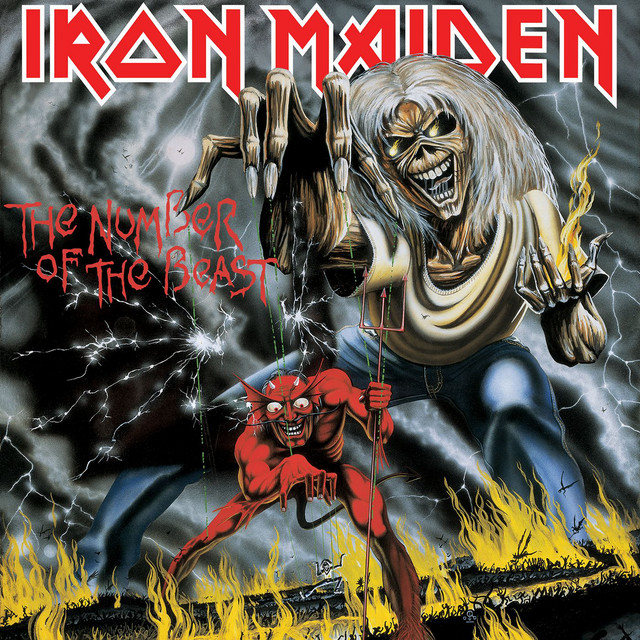
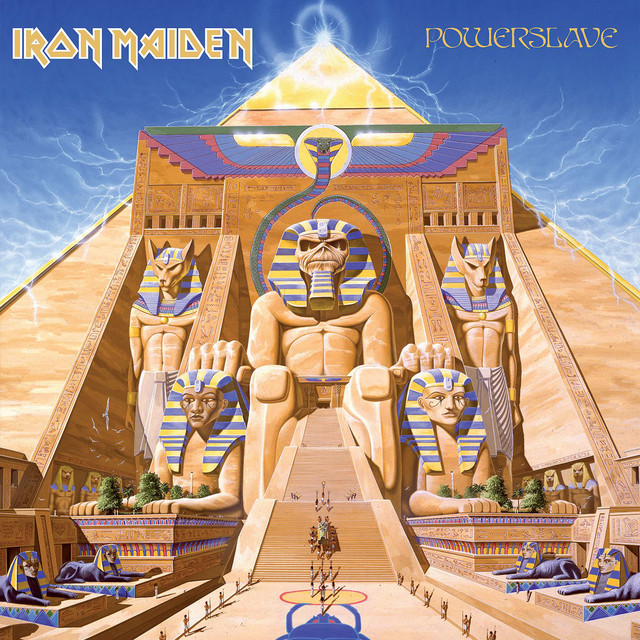
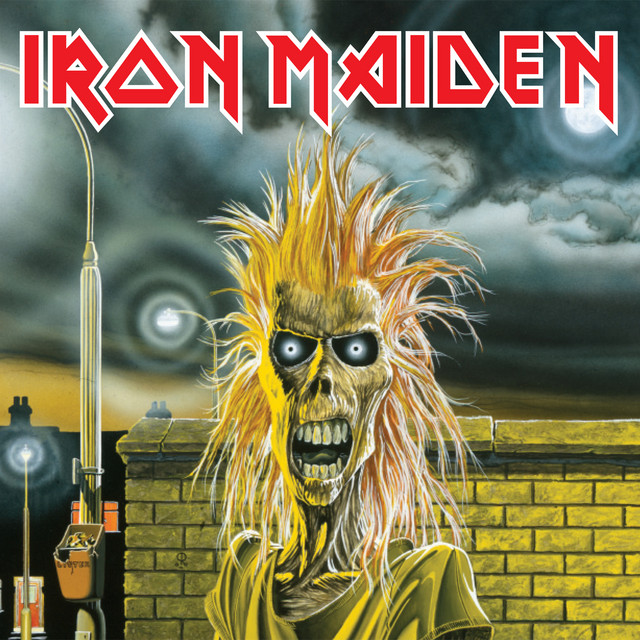
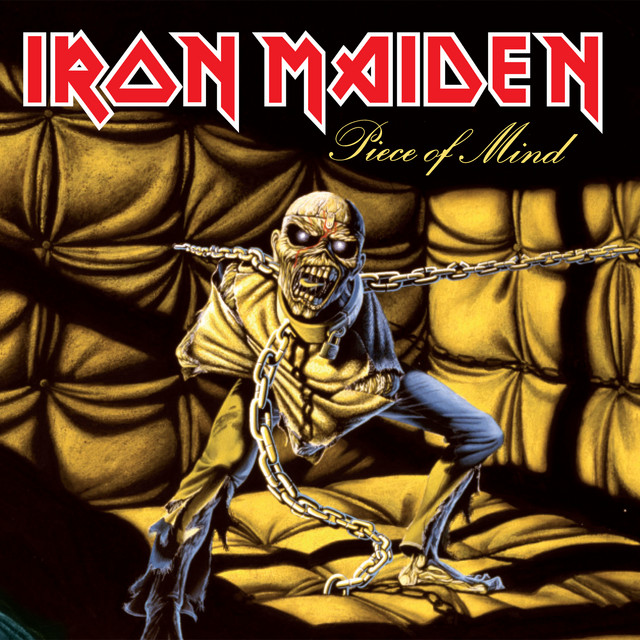
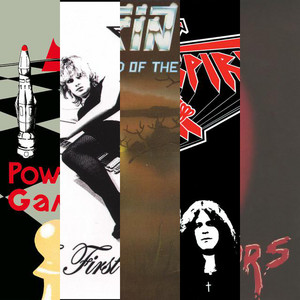
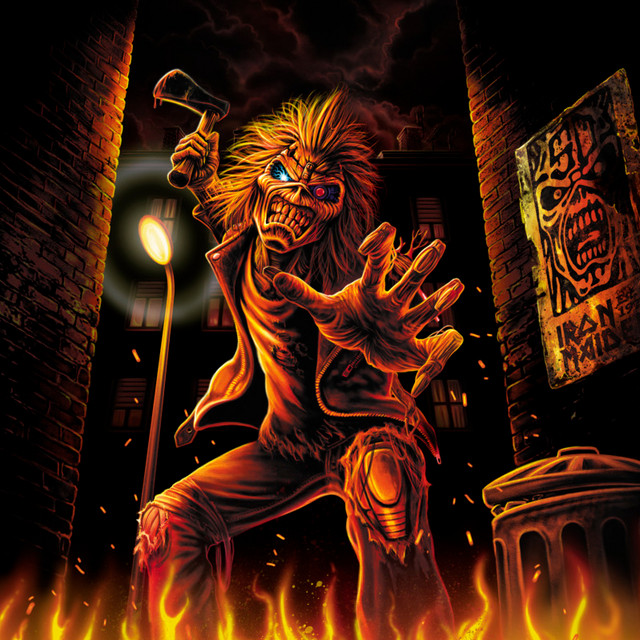
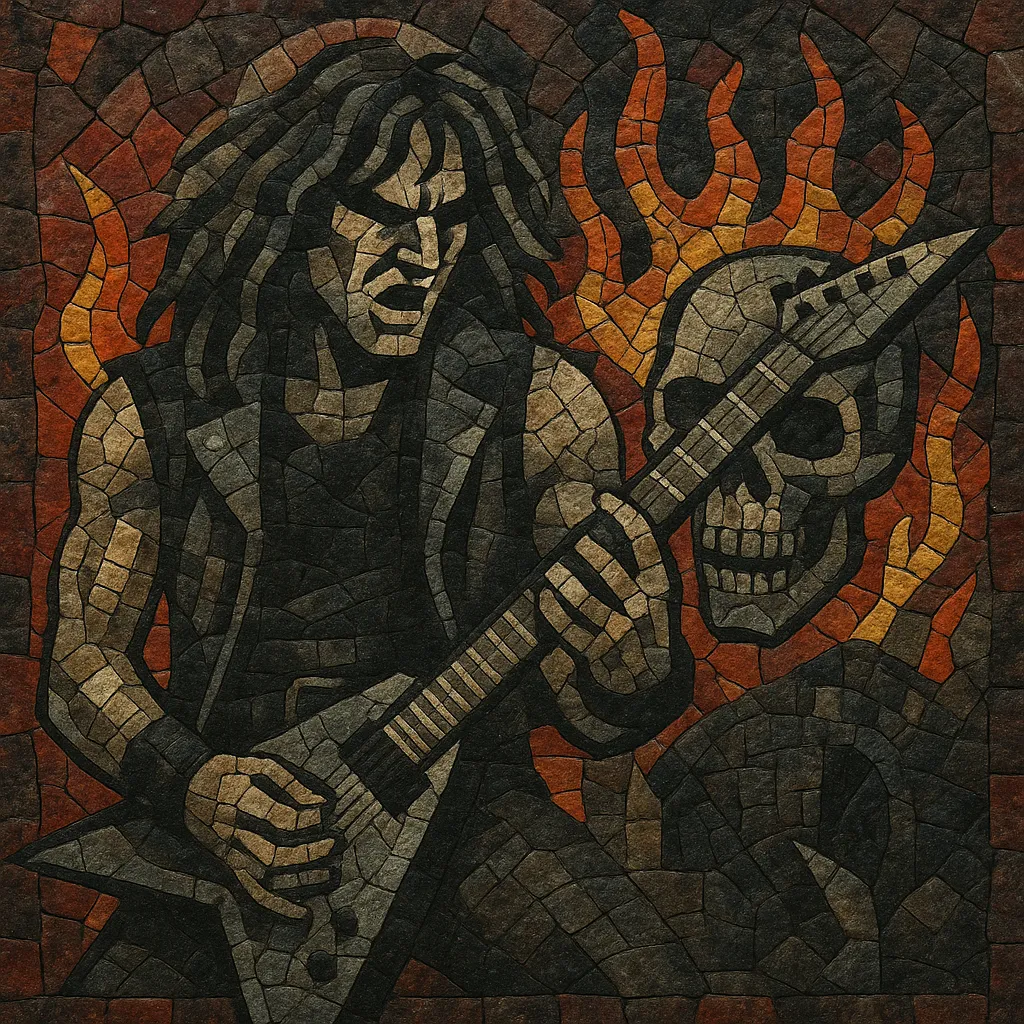
NWOBHM (New Wave of British Heavy Metal) was a nationwide UK movement that reinvigorated heavy metal at the tail end of the 1970s and surged through the early 1980s.

It fused the riff-driven weight of 1970s heavy metal and hard rock with the speed, DIY ethos, and urgency that followed in the wake of punk rock.

Typically featuring twin-guitar harmonies, galloping bass lines, anthemic choruses, and clean, often high-register vocals, NWOBHM bands cut raw, energetic singles on small labels, toured relentlessly, and helped shift metal from bluesy hard rock roots toward faster, more technically assertive forms.

The term was popularized by Sounds magazine in 1979, and the scene quickly drew international attention, laying foundations for thrash, speed, and power metal.


Sources: Spotify, Wikipedia, Discogs, RYM, MB, user feedback and other online sources

History

Origins (mid–late 1970s)

Heavy metal’s early-1970s momentum had cooled by the mid-decade, just as punk rock exploded and "new wave" conquered the charts. Across industrial and working‑class towns in England, bands responded by toughening up hard rock and classic metal with punk’s speed and self-sufficiency. Rehearsal rooms, clubs, and small independents became crucibles for a new, leaner metal.

Coining the Term and Breakout (1979–1982)

In May 1979, British paper Sounds popularized the phrase "New Wave of British Heavy Metal," crystallizing a disparate groundswell into a recognized movement. Independent labels (notably Neat Records in the North East) and low‑budget singles culture fueled rapid discovery. BBC radio support, ferocious gigging, and festival slots (e.g., Reading) propelled a wave of bands into national and then international view.

Musically, the style emphasized twin-guitar interplay, brisk tempos, and memorable, shout‑ready hooks. The attitude was proudly DIY—even as several groups signed to major labels—and aesthetics leaned to denim-and-leather, spotlighting speed, grit, and an anthemic spirit.

Evolution and Legacy (early–mid 1980s and beyond)

By the early 1980s, the scene’s leading acts were touring globally, and its sound was echoing abroad. NWOBHM’s faster riffing and streamlined songcraft became the blueprint for speed and power metal; its aggression and rawness catalyzed thrash; and darker outliers helped shape the imagery and tonality of first‑wave black metal.

As the decade progressed, some bands pivoted toward mainstream hard rock/AOR while others remained underground cult favorites. Decades later, the movement’s signatures—gallops, harmonized leads, and fist‑pumping choruses—continue to animate the revivalist "new wave of traditional heavy metal" and remain foundational to modern metal’s vocabulary.


How to make a track in this genre

Core Instrumentation and Sound
•   Two overdriven electric guitars (often Gibson/Marshall or comparable), bass guitar, drums, and a clean to soaring lead vocalist. •   Pan rhythm and lead guitars left/right; keep a present bass in the midrange to drive the signature “gallop.” •   Production is energetic and comparatively dry: tight close‑miking, modest ambience, and clarity that foregrounds riffs and vocals.
Rhythm and Tempo
•   Typical tempos range from 120–170 BPM. Drums favor a hard backbeat, brisk eighth‑note hi‑hats, and occasional double‑kick flourishes (used tastefully rather than constantly). •   Bass employs the classic gallop (e.g., 8th‑note + two 16ths; or triplet‑feel variants), often pedaling on E or A to power the riff.
Riffs, Harmony, and Leads
•   Build riffs from palm‑muted power chords and minor‑pentatonic/aeolian note choices; emphasize pedal tones and driving down‑picks for tightness. •   Use twin‑guitar harmonies in thirds/sixths for hooks and lead lines; trade solos between guitarists. •   Common keys include E minor and A minor. Modal colors: Aeolian, blues scale, and occasional Phrygian inflections for darker edge. •   Song forms: riffy intros → verse → pre‑chorus tension → big, anthemic chorus → bridge/solo section → final chorus/tag.
Melody, Vocals, and Lyrics
•   Vocals are clean and assertive, often high‑register with sustained notes and wide vibrato; gang shouts for chorus emphasis. •   Themes: mythology and fantasy, street/working‑class life, speed/steel/industry, warfare and heroism, and occasional occult imagery. Keep lyrics vivid and hook‑centric.
Arrangement Tips
•   Contrast tightly muted verse riffs with open‑chord choruses to lift the hook. •   Spotlight instrumental breaks: harmonized guitar leads and melodic, narrative solos. •   Keep endings decisive—unison stabs, held tonic chords, or final riff cycles to a stop.

Main artists

Top tracks

Locked
Share your favorite track to unlock other users’ top tracks

Upcoming concerts

in this genre
Influenced by
Has influenced

Download our mobile app

Get the Melodigging app and start digging for new genres on the go
Š 2026 Melodigging
Melodding was created as a tribute to Every Noise at Once, which inspired us to help curious minds keep digging into music's ever-evolving genres.
Buy me a coffee for Melodigging