Your digging level
Description
The New Wave of Traditional Heavy Metal (often abbreviated as NWOTHM) is a revivalist musical movement that emerged in the mid-2000s.
It is characterized by a return to the classic sound, aesthetics, and ethos of 1970s and 1980s heavy metal, specifically drawing inspiration from the New Wave of British Heavy Metal (NWOBHM), speed metal, and early power metal.
Bands in this genre reject the downtuned guitars, harsh vocals, and modern production techniques of contemporary metal subgenres like metalcore or death metal, instead favoring clean, high-pitched vocals, twin-guitar harmonies, galloping basslines, and a more organic, 'vintage' production style.
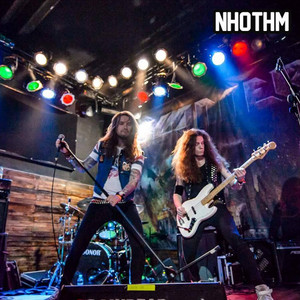
The movement emphasizes a 'true metal' attitude, often accompanied by traditional visual aesthetics involving denim, leather, and high-top sneakers.


History
The movement began as a reaction against the dominant metal trends of the early 2000s, such as nu-metal and metalcore. Musicians sought to recapture the spirit of the 'golden age' of heavy metal. Sweden is widely considered the cradle of this specific revival, with the band Enforcer forming in 2004 and releasing their influential debut Into the Night in 2008, which set the template for the sound: fast, energetic, and melodic.
Simultaneously, a strong scene emerged in Canada with bands like Cauldron (formed from the ashes of Goat Horn) and Skull Fist, and in the United States with White Wizzard. These bands helped solidify the movement's presence globally, utilizing the internet (MySpace at the time) to connect with fans of traditional metal who felt alienated by modern heavy music.
By the 2010s, the NWOTHM had become a recognized global phenomenon. The sound diversified, with some bands leaning towards the speed metal side (Stallion, Ranger), others towards epic/fantasy themes (Visigoth, Eternal Champion), and others embracing a hard rock/glam infusion (Striker, Haunt).
The movement continues to thrive supported by dedicated labels like High Roller Records and festivals such as Keep It True. It has successfully bridged the gap between the original 80s generation and younger fans, ensuring the survival of the traditional heavy metal sound.
Guitars: Use standard E tuning or half-step down (Eb). Avoid extreme downtuning. Employ twin guitar harmonies (often in thirds) for leads and bridges. Riffs should be catchy, riff-centric, and often palm-muted.
•Bass: A driving, audible bass tone is essential. The 'gallop' rhythm (eighth note followed by two sixteenth notes) popularized by Iron Maiden is a staple.
•Drums: Classic rock and metal beats. Use double bass drumming for speed metal sections, but maintain a groove. Avoid over-triggered or sterile modern drum sounds.
•Vocals: Clean singing is a must. High-pitched falsettos, powerful belts, and melodic choruses are characteristic. Grit is acceptable, but avoid growling or screaming.
Tempo: Generally mid-to-fast tempo (140-180 BPM). Energy is key.
•Structure: Verse-Chorus-Verse-Chorus-Solo-Chorus structure is standard. The guitar solo is a mandatory focal point, often extended and melodic.
•Scales: Pentatonic minor, natural minor, and harmonic minor are the go-to scales for riffs and solos.
Themes: Focus on classic metal tropes: freedom, rebellion, the metal lifestyle ('rocking all night'), fantasy, occultism, history, or sci-fi.
•Production: Aim for a sound that feels 'analog' and punchy. It should sound like a band playing in a room, rather than a digitally perfected grid.