Your digging level

For this genre
0/8
🏆
Sign in, then listen to this genre to level up

Description

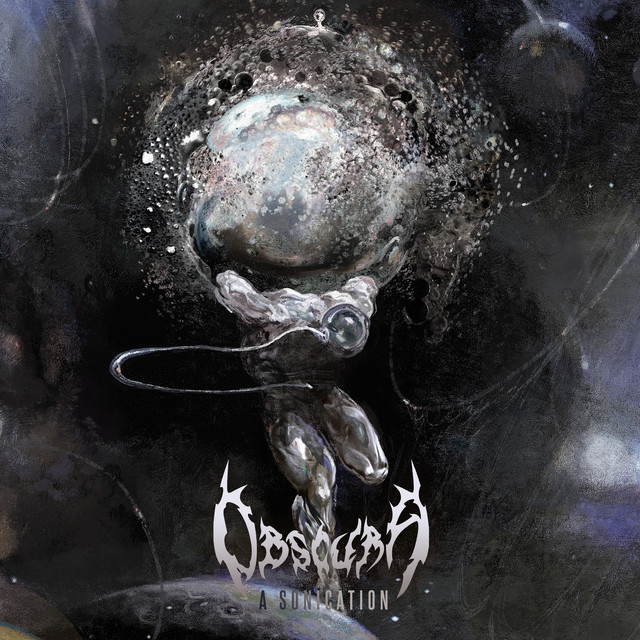
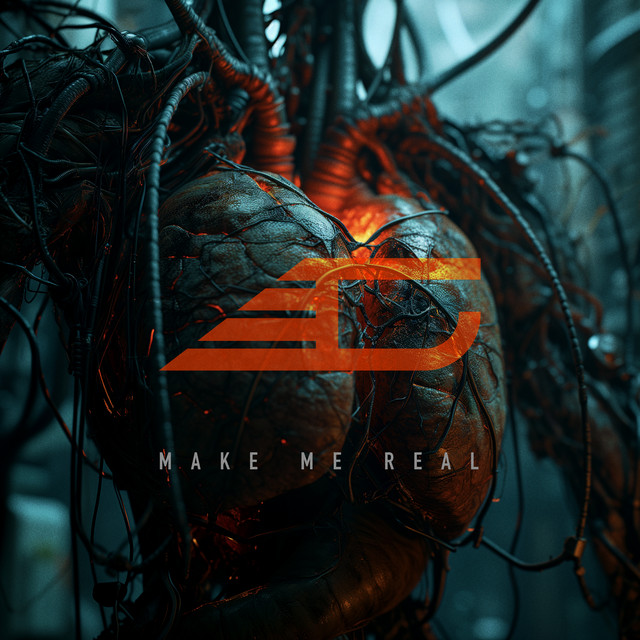
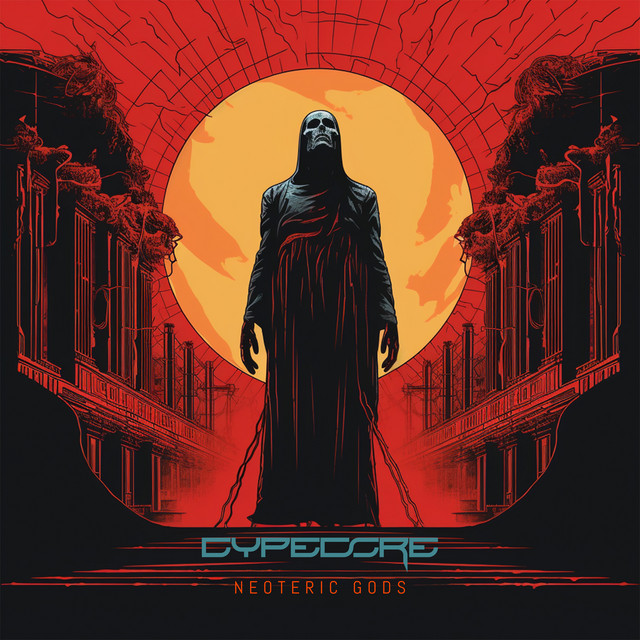
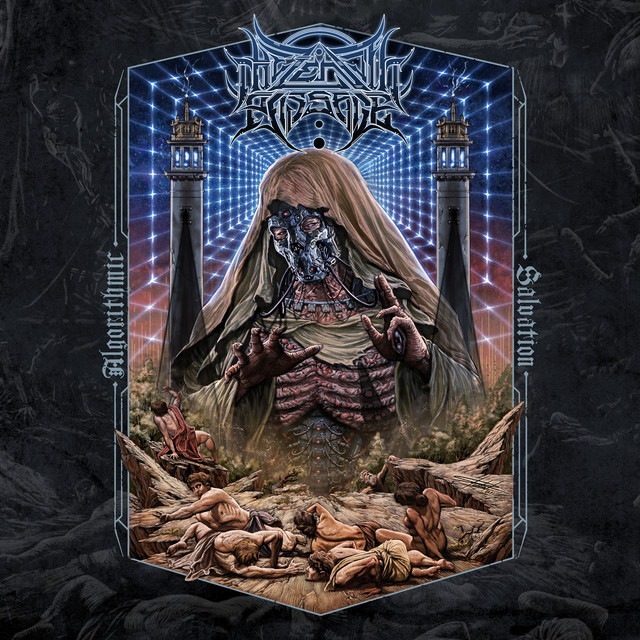
Sci‑fi metal is a metal subgenre defined by its immersive use of science‑fiction themes, imagery, and sound design. It blends heavy riffing and extreme vocal techniques with cinematic electronics, synthesizers, and futuristic production to evoke space travel, artificial intelligence, cybernetics, and cosmic horror.

Musically, it ranges from progressive and technical forms (odd meters, extended harmony, concept suites) to industrially mechanized grooves and symphonic, space‑opera scale. Its productions frequently feature ambient intros, interludes, vocoder/robotic voices, and sound‑effects—warp‑ups, comms chatter, drones—to world‑build narratives across singles and concept albums.


Sources: Spotify, Wikipedia, Discogs, RYM, MB, user feedback and other online sources

History

Origins (1980s)

Sci‑fi metal coalesced in the 1980s when thrash and progressive metal bands began to fuse heavy riffing with speculative fiction narratives. Canadian innovators popularized dystopian and spacefaring concepts in metal, while traditional and NWOBHM acts tested the waters with isolated science‑fiction themed tracks. The decade established the two pillars that would define the style: narrative world‑building and an openness to electronic timbres that felt "futuristic."

Expansion and Hybridization (1990s)

During the 1990s, industrial and progressive currents gave sci‑fi metal its breadth. Industrial metal’s mechanized rhythms and sampling culture supplied a convincing “machine” aesthetic; progressive and power metal embraced long‑form, operatic storytelling, paving the way for concept albums about starships, AI, and interstellar wars. Early technical and death‑metal outfits also adopted cosmic themes, framing extreme technique as a sonic stand‑in for deep time and vast space.

Cinematic Scale and Tech Focus (2000s–2010s)

In the 2000s, advances in home recording and soft‑synths brought cinematic sound design into metal more affordably. Bands layered analog and FM synths over djent/tech‑thrash riffing, used vocoders and choir libraries, and wrote multi‑album sagas—often with diegetic interludes and leitmotifs. Parallel strands emerged: space‑opera power metal, cybernetic industrial hybrids, and ultra‑technical extreme metal with astrophysics or simulation theory in the lyrics.

Today

Sci‑fi metal now operates as both a discrete subgenre and a thematic lens across metal styles. Artists release fully realized universes—complete with maps, glossaries, and companion media—while production borrows from game audio, film scoring, and ambient/space music. The scene spans festival stages and Bandcamp micro‑scenes, with collaborations between metal producers and sound designers blurring the line between album and soundtrack.

How to make a track in this genre

Sound palette and instrumentation
•   Core: down‑tuned or extended‑range electric guitars, electric bass, acoustic/triggered drums. •   Futuristic layers: analog/FM synths, wavetable pads, arpeggiators, granular textures, choir/symphonic libraries, vocoders/robotic doubles, filtered radio‑comms SFX, spacecraft foley. •   Guitar tone: tight high‑gain with precise low‑end control; add chorus/phaser for “zero‑G” glide; automate delays for warp‑ins/outs.
Harmony and melody
•   Use modal color for “cosmic” brightness (Lydian, Dorian) and ambiguity (whole‑tone, octatonic, symmetrical diminished). •   For alien menace, reach for Phrygian/Phrygian ♭2, harmonic minor/Locrian color, and chromatic planing. •   Develop leitmotifs for factions/planets/characters and recur them in altered forms across a concept record.
Rhythm and meter
•   Combine mechanized grooves (industrial half‑time at 90–120 BPM) with blast‑beats/tech thrash (180–240+ BPM). •   Employ polymeter/odd meters (5/4, 7/8, 11/8) to suggest disorientation or relativistic time. •   Syncopated djent‑style palm‑mutes can mirror “engine cycles”; let synth arps lock with kick patterns for propulsion.
Riffs, form, and arrangement
•   Alternate tight, percussive riffs with wide, reverb‑heavy “space” sections. •   Use ambient/sound‑design intros and interludes as scene changes; cross‑fade vox‑comms or ship hum to glue movements. •   Concept albums benefit from recurring interstitial cues (beacons, telemetry sweeps) to maintain continuity.
Vocals and lyrics
•   Blend harsh vocals (growls/screams) for dread with clean tenor/alto for awe; add vocoder or formant‑shifted doubles for AI/persona. •   Lyrical themes: exploration, first contact, AI ethics, cybernetics, cosmic horror, post‑humanity. Write from multiple POVs (pilot logs, machine monologues, mission transcripts). •   Use technobabble sparingly; prioritize vivid imagery and narrative stakes.
Production and mixing
•   Carve low‑end so kick/bass/synth subs coexist; side‑chain synth pads subtly to the kick for a “breathing hull” effect. •   Layer short and long reverbs (plate for vocals, long modulated hall for “void”); automate delays for call‑and‑response across the stereo field. •   Master slightly tighter than traditional metal if dense with electronics; leave headroom for cinematic swells.
Performance aesthetics
•   Visuals (stage/backdrops/lighting) that match the narrative: star fields, radar UI, monochrome “ship” lighting cues. •   Integrate synchronized video or in‑ear cueing for story beats during live transitions.

Top tracks

Locked
Share your favorite track to unlock other users’ top tracks

Upcoming concerts

in this genre
Influenced by
Has influenced

Download our mobile app

Get the Melodigging app and start digging for new genres on the go
© 2026 Melodigging
Melodding was created as a tribute to Every Noise at Once, which inspired us to help curious minds keep digging into music's ever-evolving genres.
Buy me a coffee for Melodigging