Your digging level

For this genre
0/8
🏆
Sign in, then listen to this genre to level up

Description

Trance metal fuses the driving four‑on‑the‑floor pulse and euphoric synth architecture of trance with the riff power, drumming intensity, and vocal extremity of modern metal. Typical tempos range between 130 and 160 BPM, with layered supersaw leads, arpeggiated synths, and side‑chained pads sharing space with downtuned rhythm guitars, double‑kick bursts, and both harsh and soaring clean vocals.

Arrangements often mirror EDM forms—intro, build, breakdown, drop/chorus—while harmony leans on minor modes (Aeolian, Dorian, and Phrygian) and big, cinematic chord lifts. The style regularly borrows from Melodic Death Metal and Symphonic Metal for motif writing and orchestral texture, and from EDM/techno for drum programming, risers, filters, and sound‑design drama.


Sources: Spotify, Wikipedia, Discogs, Rate Your Music, MusicBrainz, and other online sources

History

Origins (late 1990s–2000s)

The roots of trance metal emerged as metal bands and producers experimented with trance’s hypnotic pulse and synthesizer timbres. Early cross‑pollinations in Northern Europe’s electro‑leaning metal scenes and Japan’s melodic death/power metal circles set the foundation. By the mid‑2000s, groups explicitly branding their sound as a blend of trance leads and melodeath riffing helped solidify the tag, while symphonic and industrial metal aesthetics supplied orchestral and electronic production know‑how.

Consolidation and Visibility (2010s)

In the 2010s, the style gained wider visibility as acts combined stadium‑sized EDM hooks with modern metalcore/melodeath frameworks. Song forms began to adopt EDM build‑and‑drop dramaturgy, and production folded in side‑chain pumping, noise risers, and synth‑bass drops alongside tight, down‑picked riffs. Festivals and digital platforms amplified the sound, and remix culture (metal bands commissioning EDM remixes and vice versa) reinforced the hybrid identity.

Present Day

Today, trance metal sits on a spectrum that touches electronicore, trancecore, and electronic/djent hybrids. It remains defined by its BPM range, synth‑forward hooks, and the coexistence of aggressive screams with anthemic clean choruses, while producers continue to refine the balance between dancefloor energy and metal heaviness.

How to make a track in this genre

Tempo, Groove, and Drums
•   Set tempo between 130–160 BPM. Use a four‑on‑the‑floor kick for builds and choruses; contrast with double‑kick bursts and syncopated tom fills for metal sections. •   Layer electronic drum kits (claps, white‑noise hats, rides) with acoustic/triggered metal kits. Side‑chain hats and pads to the kick for EDM pump.
Harmony and Melody
•   Write in minor modes (Aeolian/Dorian/Phrygian). Use uplifting pre‑chorus lifts (e.g., VI–VII–i) to set up big drops/choruses. •   Drive verses with 1/16 arpeggios or gated pads; reserve wide supersaw stacks for the chorus hook that doubles the vocal melody.
Riffs, Tuning, and Guitars
•   Tune to D standard or Drop C for weight. Combine pedal‑tone chugs with scalar melodeath runs; lock riffs to the kick pattern for drop impact. •   Let guitars reinforce the trance hook on choruses (octave‑doubled leads), then switch to palm‑muted mechanical grooves for verses.
Sound Design and Keys
•   Core palette: supersaws (JP‑style), bright plucks, noise risers, downlifters, reverse cymbals, and sub‑bass. •   Automate filters (LPF/HPF), reverb throws, and pitch risers to create EDM‑style builds before the chorus “drop.”
Vocals and Lyrics
•   Alternate harsh verses (growls/screams) with big, clean melodic choruses. Stack harmonies and gang shouts on the hook. •   Lyrical themes often blend futurism/cyberpunk imagery with catharsis, resilience, or romantic melancholy.
Arrangement and Mixing
•   Structure: Intro → Build → Breakdown → Drop/Chorus → Post‑Drop Riff → Verse → Pre‑Chorus → Drop → Bridge/solo → Final Drop/Chorus. •   Carve space with EQ: notch 2–4 kHz on guitars when vocals/saws lead; high‑pass pads to avoid fighting the bass. Use multiband side‑chain on pads vs. guitars during drops.
Tools
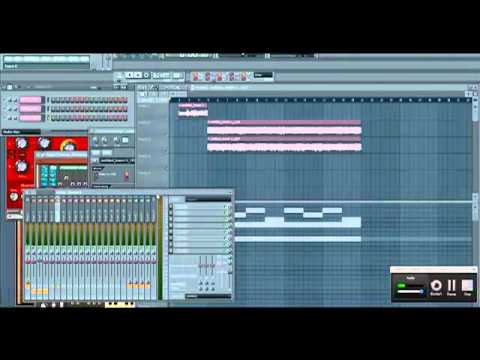
•   Guitars + high‑gain amp sims, modern metal drum suite, a trance‑capable synth (e.g., Serum, Spire, Vital), and EDM FX packs for transitions.

Top tracks

Locked
Share your favorite track to unlock other users’ top tracks
Influenced by
Has influenced
Challenges
Digger Battle
Let's see who can find the best track in this genre
© 2026 Melodigging
Melodding was created as a tribute to Every Noise at Once, which inspired us to help curious minds keep digging into music's ever-evolving genres.
Buy me a coffee for Melodigging