Your digging level

For this genre
0/8
🏆
Sign in, then listen to this genre to level up

Description

Cosmic Black Metal is an atmospheric black metal subgenre that mixes elements of space rock and ambient, trading the grim forests and wintry vistas of classic black metal for themes of the cosmos, astronomy, and deep time.

Musically it retains tremolo-picked guitars, blast beats, and harsh vocals, but saturates them in expansive reverb, glacial synth pads, and sci‑fi textures (arpeggiators, drones, and bleeps) to conjure vast starfields. Songs often unfold in long, cinematic arcs, balancing biting distortion with luminous, space‑ambient interludes and psychedelic overtones.

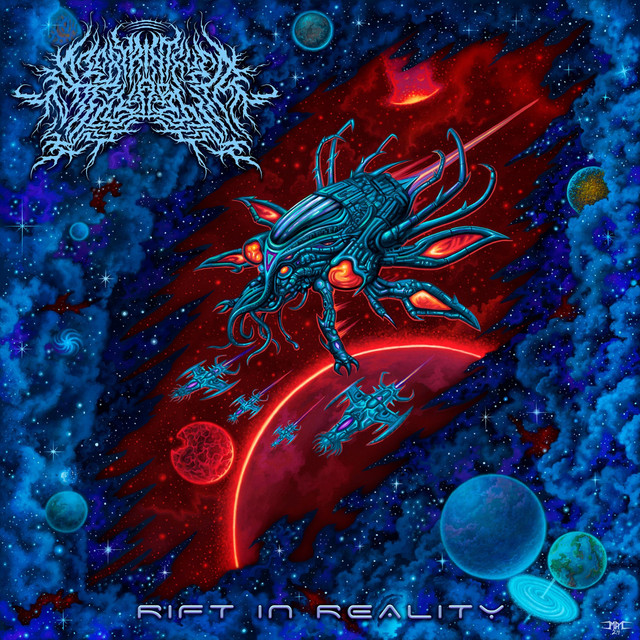
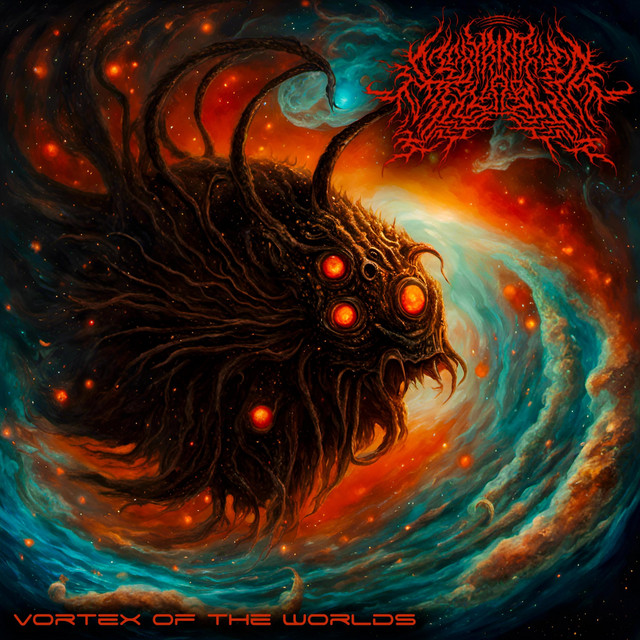
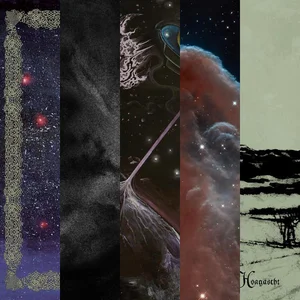
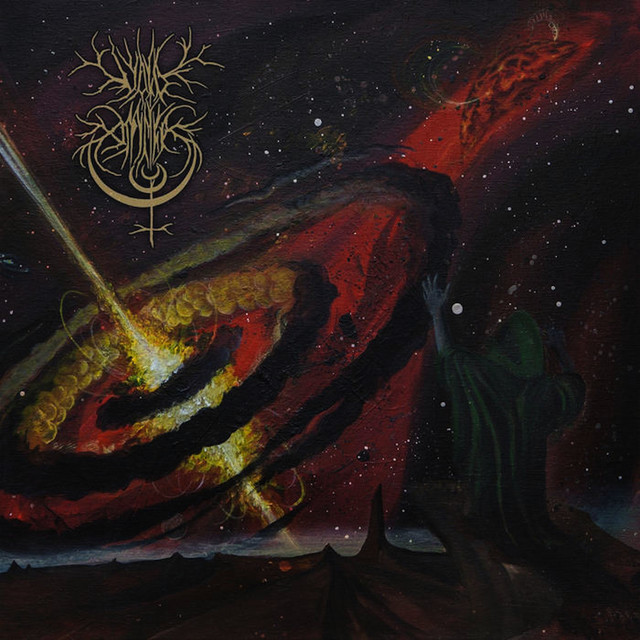
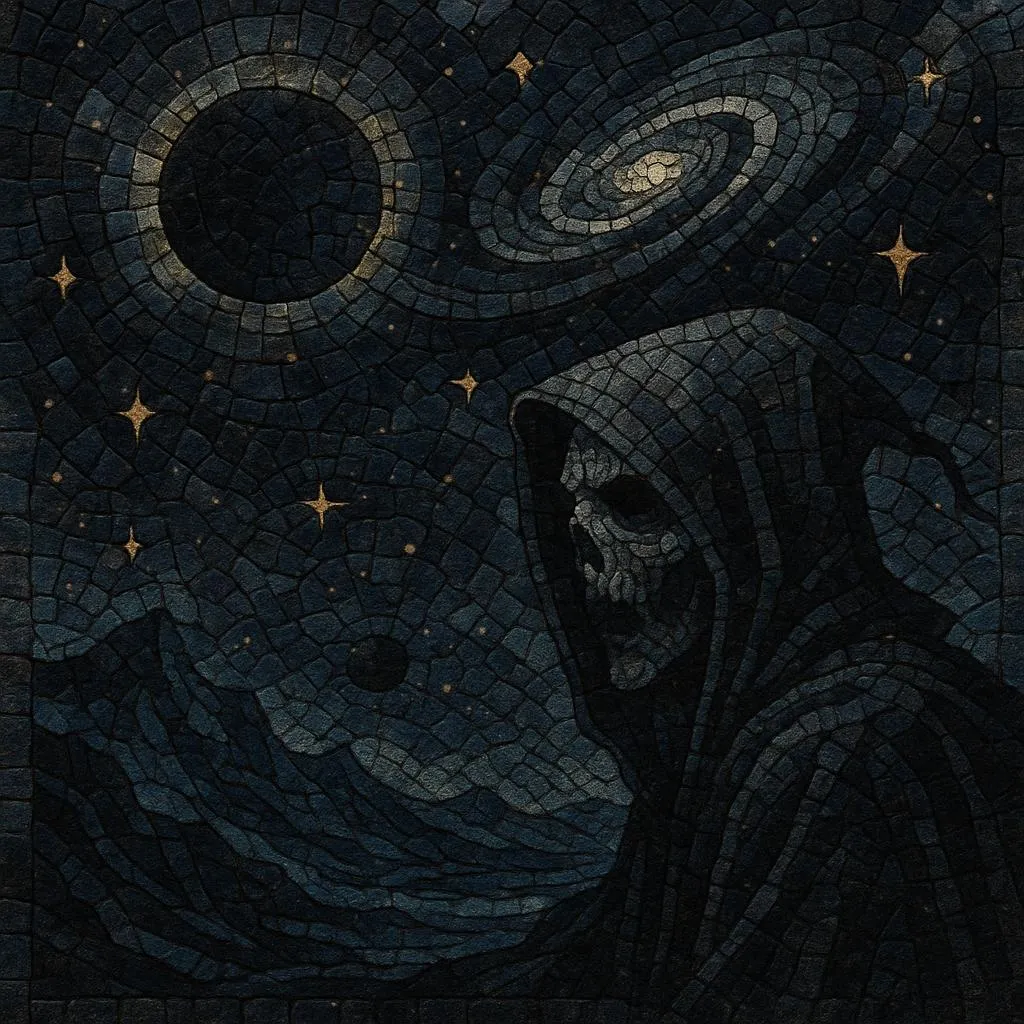
Lyrically and visually, the style orbits cosmology, astrophysics, cosmic horror, and metaphysical awe, using album art and sound design to evoke the immensity and indifference of the universe.


Sources: Spotify, Wikipedia, Discogs, RYM, MB, user feedback and other online sources

History

Origins (late 1990s–2000s)

Cosmic Black Metal emerged as a space‑oriented offshoot of atmospheric black metal when artists began replacing pagan or wintry imagery with astral themes. Early atmospheric and ambient black metal laid the groundwork; meanwhile, space rock, dark ambient, and psychedelic rock offered a broader, more cinematic sonic palette. By the 2000s, projects deliberately framing black metal within the aesthetics of the cosmos began to coalesce into a recognizable approach.

Consolidation and Aesthetic (2010s)

During the 2010s the style crystallized: long-form compositions, prominent synth layers, and glossy, panoramic production became common, while album narratives explored cosmology, cosmic insignificance, and speculative science. Cross‑pollination with post‑rock and ambient scenes encouraged more dynamic builds, brighter melodic contours, and a sense of astral uplift alongside traditional black‑metal ferocity.

Sound Design and Themes

Defining traits include dense reverb, layered tremolo guitars, shimmering pads, and electronic accents suggestive of spacecraft telemetry or stellar radiation. Vocals range from distant, spectral rasps to choral or spoken sections, emphasizing awe and vastness. Thematically, lyrics and artwork embrace astronomy, interstellar travel, cosmic horror, and philosophical reflections on humanity’s place in the universe.

Ongoing Evolution

Today, the style spans a spectrum from raw, cold vacuum to sleek, near‑symphonic sheen. Some artists incorporate trance‑like sequencers and synth bass for a star‑faring propulsion, while others lean into drone and dark ambient passages between black‑metal surges. The result is a resilient, exploratory branch of atmospheric black metal that continues to innovate while remaining unmistakably cosmic.

How to make a track in this genre

Sound Palette and Instrumentation
•   Guitars: Use layered, tremolo‑picked chords with extensive reverb and delay; blend shimmering open‑voicings with denser clusters to create a sense of depth. •   Synths: Pad swells, evolving drones, and soft arpeggiators are essential; choose analog‑style timbres or airy wavetable textures to suggest cosmic vastness. •   Bass: Either a supporting low‑end bed (sustained or subtly pulsing) or a sequenced synth bass for propulsion in more electronic‑leaning passages. •   Drums: Alternate between blast beats and mid‑tempo, weightless grooves. Cymbal wash should be broad and airy to blur edges.
Harmony and Melody
•   Favor modal minor (Aeolian, Dorian, Phrygian) with occasional Lydian lifts or added 2nds/9ths for a luminous, otherworldly color. •   Use pedal tones and slowly shifting chord fields; let harmony move in large, glacial plates rather than rapid progressions. •   Craft lead motifs that recur like constellations—brief, radiant figures that reappear across movements.
Structure and Dynamics
•   Compose in long arcs (8–12+ minutes) with patient build/plateau/decay forms. Interleave ambient interludes between black‑metal surges. •   Employ textural counterpoint: guitars, synths, and noise beds evolving independently to simulate stellar drift. •   Reserve climaxes for thematic “arrivals” (e.g., entering a nebula) rather than verse/chorus repetition.
Production Aesthetics
•   Use large, stereo reverbs and layered delays to achieve a sense of infinite space—but keep drums and vocals intelligible to avoid mud. •   Automate filters and shimmer reverbs on pads; sculpt high‑frequency “stardust” with subtle granular effects. •   Master with enough headroom to preserve dynamic swells; avoid over‑limiting so the ambience can breathe.
Lyrics and Imagery
•   Write in the register of cosmic awe or dread—cosmology, entropy, interstellar isolation, or transcendence. •   Employ scientific metaphors (event horizons, redshift) alongside mythic or philosophical imagery. •   Visuals should mirror the sound: starfields, nebulae, stark monochrome space photography, or abstract cosmic geometry.

Top tracks

Locked
Share your favorite track to unlock other users’ top tracks

Upcoming concerts

in this genre
Influenced by
Has influenced

Download our mobile app

Get the Melodigging app and start digging for new genres on the go
© 2026 Melodigging
Melodding was created as a tribute to Every Noise at Once, which inspired us to help curious minds keep digging into music's ever-evolving genres.
Buy me a coffee for Melodigging