Your digging level
Description
Cyberpunk is an electronically driven music style that evokes neon-lit, high-tech dystopias through gritty sound design, machine-like grooves, and noir atmospheres. It blends elements of industrial, EBM, synth-pop, darkwave, and techno to create a futurist, urban mood grounded in rhythm and texture.
Typical palettes include distorted drum machines, FM and wavetable synths, granular and glitch processing, metallic percussion, vocoders, and brooding pads, often punctuated by sampled city noise or radio chatter. Tempos commonly range from 100–140 BPM, alternating between four-on-the-floor EBM propulsion and broken, breakbeat-based momentum.
Lyrically and conceptually, cyberpunk deals with surveillance, megacorporations, hacking, bio-modification, urban decay, and resistance—placing human emotion against cold, mechanized backdrops.

History
Cyberpunk as a music aesthetic formed in parallel with the literary and cinematic movement led by authors like William Gibson and films such as Blade Runner (1982). Musically, it grew out of industrial, EBM, synth-pop, darkwave, and post-punk—scenes centered in the US and Europe. Acts like Front 242, Skinny Puppy, and early KMFDM set a blueprint with militant drum machines, metallic textures, and dystopian themes.
Through the 1990s, cyberpunk sonics entered mainstream consciousness via industrial rock and electronic crossover acts. Nine Inch Nails brought aggressive, emotionally charged production to wide audiences, while The Prodigy and contemporaries fused breakbeats, rave energy, and dystopian edge. Soundtracks and scores—anime like Akira and Ghost in the Shell (Kenji Kawai), and games such as System Shock and Deus Ex—cemented the style’s cinematic dimension.
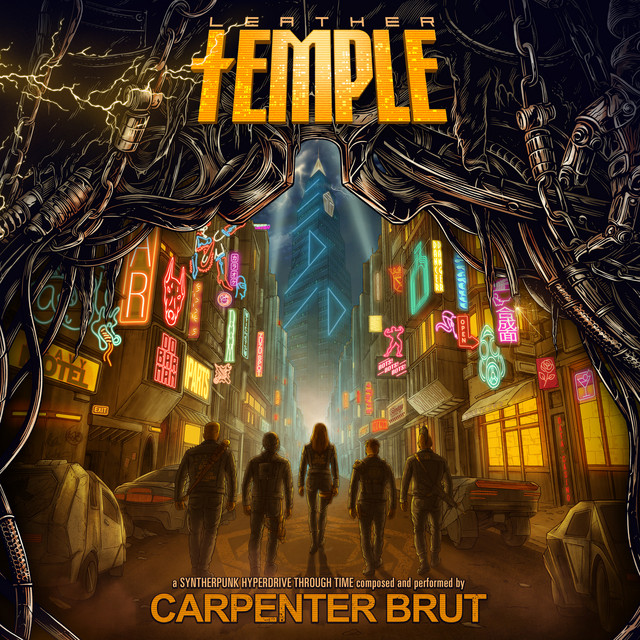
The 2000s saw the aesthetic refracted through electroclash, IDM, and darker strains of techno. A major revival arrived with synthwave/darksynth artists (e.g., Perturbator, Carpenter Brut), who drew on 1980s futurism while embracing modern production heft. Simultaneously, industrial techno and witch house absorbed cyberpunk’s bleak atmospheres and glitchy texturing.
Cyberpunk remains a cross-media language spanning music, games, and film. The Cyberpunk 2077 universe spotlighted artists like Refused (as Samurai), HEALTH, and Grimes, reinforcing the genre’s fusion of rock attitude and advanced electronics. Today it thrives as both a standalone sound and a mood within techno, bass music, and cinematic scoring.



Top albums