Your digging level

For this genre
0/8
🏆
Sign in, then listen to this genre to level up

Description

Midtempo bass is an electronic music genre centered around slower, heavy grooves—typically 90–110 BPM—with a half‑time feel that makes the drums hit like bass music while retaining the drive of club styles.

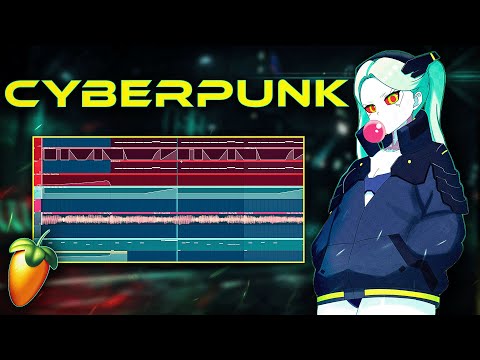
Its sound palette favors harsh, sawtooth or FM‑based leads, distorted reese basses, gritty textures, and tightly side‑chained low end. The mood is often dark, cinematic, and cyberpunk‑tinged, echoing the bite of EBM and new beat while borrowing modern sound‑design from dubstep and electro house.

Producers use spacious breakdowns, ominous pads, and stuttering bass stabs to create tension, then release it with chunky, syncopated drops that stay dance‑floor friendly without resorting to high tempos.


Sources: Spotify, Wikipedia, Discogs, Rate Your Music, MusicBrainz, and other online sources

History

Origins (late 2000s–early 2010s)

Midtempo bass traces its DNA to late‑1980s European styles like new beat and EBM (noted for strong, mechanical grooves around 100 BPM), but it crystallized in the early 2010s when EDM producers began slowing electro‑house and dubstep sound‑design to half‑time, emphasizing snarling mid‑range leads and thick, compressed low end.

Breakout and codification (mid–late 2010s)

By the mid‑2010s, a wave of artists popularized the sound on North American festival stages and labels aligned with darker, tech‑leaning aesthetics. Releases spotlighted menacing synth leads, hypnotic 100‑ish BPM drops, and cinematic builds, establishing the style’s hallmark: bass‑forward, harsh timbres that move crowds without high‑tempo energy.

Aesthetics and scene

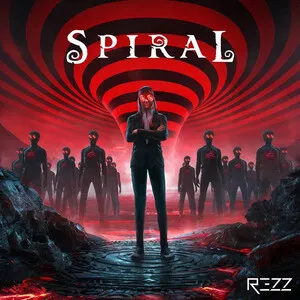
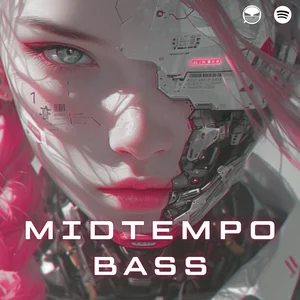
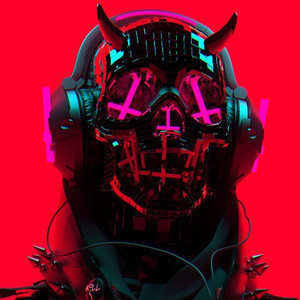
Visual branding and live shows gravitated toward cyberpunk, horror, and industrial motifs—strobe‑lit minimalism, distorted visuals, and thick atmosphere—mirroring the genre’s aggressive yet controlled sonic identity. As it spread, midtempo bass cross‑pollinated with techno, trap, and synth‑driven styles, becoming a dependable “low‑gear” option in multi‑genre bass sets.

Ongoing evolution

Today, midtempo bass remains a flexible toolkit: producers fold in techno swing, breakbeat fills, and cinematic sound design while keeping the signature 90–110 BPM, half‑time pulse and harsh, attention‑grabbing leads.
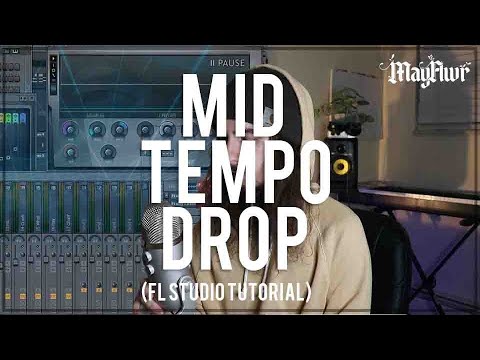
How to make a track in this genre

Tempo, groove, and drums
•   Aim for 90–110 BPM and program a half‑time feel (kick on 1, snare/clap on 3) so the drop hits like bass music while staying danceable. •   Use tight, punchy kicks layered with a transient‑rich top; snares should be wide and crunchy, often with a short plate or room reverb.
Bass and leads
•   Build a thick sub (sine or triangle) and a distorted mid‑bass (reese or FM) in parallel. Multiband saturate and compress, then side‑chain to the kick. •   Craft harsh leads with FM or wavetable synthesis (saw/square bases), using filters, bitcrush, and comb/phaser movement for metallic edge.
Harmony and sound design
•   Keep harmony sparse: minor keys (Aeolian or Phrygian) with pedal tones and ominous drones work well. Emphasize tension over complex chord changes. •   Layer atmospheric pads, risers, and foley; automate macros for filter sweeps and distortion to create evolving, industrial textures.
Arrangement and transitions
•   Structure around 8–16‑bar builds into two or three drops. Use pre‑drop vocal hooks or stuttered bass fills to set up impact. •   Contrast dense drops with negative‑space breakdowns; sprinkle glitch fills and reverse swells to glue sections.
Mixing tips
•   Reserve 30–60 Hz for the sub; carve kick/bass with complementary EQ and strong side‑chain. •   Keep mids aggressive but controlled (2–5 kHz can get harsh). Use stereo widening on highs and keep sub mono for power. •   Limit with 2–4 dB of gain reduction, leaving transient punch on kick and snare.

Main artists

Top tracks

Locked
Share your favorite track to unlock other users’ top tracks
Influenced by
Has influenced
Challenges
Digger Battle
Let's see who can find the best track in this genre
© 2026 Melodigging
Melodding was created as a tribute to Every Noise at Once, which inspired us to help curious minds keep digging into music's ever-evolving genres.
Buy me a coffee for Melodigging