Your digging level

For this genre
0/8
🏆
Sign in, then listen to this genre to level up

Description

Psybass (often written psy-bass) is a psychedelic bass-music style that blends the sound-design mentality of psytrance with the swagger and groove of modern bass genres. It typically runs at midtempo speeds, emphasizes hypnotic low-end movement, and layers kaleidoscopic textures over organic percussion and field recordings.

Expect intricately modulated basslines, trippy FX, and elastic halftime rhythms. The mood ranges from shamanic and ceremonial to futuristic and glitchy, with arrangements that breathe—swelling from spacious, downtempo passages into dense, polyrhythmic climaxes. Tonally, psybass leans on modal and drone-like harmonies (Dorian, Phrygian, pentatonic colors) and often incorporates timbres from world instruments and nature recordings, while maintaining an unmistakably electronic, high-fidelity sheen.


Sources: Spotify, Wikipedia, Discogs, RYM, MB, user feedback and other online sources

History

Origins (late 2000s–early 2010s)

Psybass emerged as psychedelic electronic artists and bass producers began to converge around midtempo grooves and high-detail sound design. Producers steeped in psytrance and psydub aesthetics brought hypnotic sequencing, evolving textures, and ritualistic atmospheres; bass-music artists contributed halftime drum language, heavy sub-focus, and glitch-informed edits. Festival cultures on the North American West Coast and beyond (with roots in psytrance, visionary art, and transformational gatherings) provided fertile ground for the hybrid to coalesce.

Consolidation and Growth (mid–late 2010s)

Through the 2010s, labels and collectives dedicated to experimental downtempo and psychedelic bass helped define the sound, favoring 85–110 BPM frameworks, halftime snares, and morphing LFO-driven bass design. The palette expanded: FM and wavetable resynthesis, granular and spectral techniques, intricate foley percussion, and spacious dub-inspired mixing became hallmarks. Live instrumentalists (strings, hand percussion, winds) increasingly collaborated with electronic producers, reinforcing a bio-organic meets cybernetic aesthetic.

Present Day

Today psybass is a recognized node in the wider bass ecosystem, adjacent to psydub, glitch hop, midtempo bass, and experimental downtempo. It thrives in club systems that reward articulate low end and on immersive stages that highlight textural depth. The style continues to absorb influences—from world traditions and ambient minimalism to IDM and modern sound-art—while maintaining its core identity: psychedelic narrative arcs built on groove-forward bass foundations.

How to make a track in this genre

Tempo, Groove, and Rhythm
•   Aim for 85–110 BPM. Halftime backbeats (snare/clap on beat 3) and swung/triplet inflections work well. •   Build grooves around syncopated sub patterns and ghost-note percussion. Use polyrhythms (e.g., 3:2, 5:4) to create a gently disorienting, rolling feel.
Sound Design and Bass Architecture
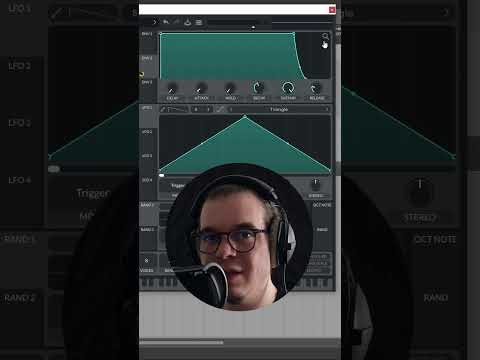
•   Craft evolving bass timbres using wavetable/FM synthesis plus serial modulation (LFOs into filters, phase, formants). Drive movement with macro controls that sweep multiple parameters. •   Layer sub (clean sine/triangle) beneath a mid-bass with harmonics and articulation (OTT, gentle saturation, transient shaping). Use glides/portamento and pitch modulation for elastic phrases. •   Introduce “psy” ear-candy: spectral whooshes, comb-filter sweeps, resonant bandpass motifs, ring-mod pings, and granular sparkles.
Harmony, Melody, and Texture
•   Favor modal centers (Dorian, Phrygian, Aeolian) or pedal-tone drones. Keep harmony spacious so textural motion can shine. •   Use short, mantra-like motifs, call-and-response gestures, and evolving pads. Blend synthetic tones with acoustic sources (handpan, flutes, strings) for an organic–synthetic contrast.
Percussion and Foley
•   Combine tight electronic drums with recorded shakers, frame drums, clacks, and nature foley. Sidechain subtly to keep the sub breathing. •   Program microfills and glitch edits (stutters, reverses, tape-stop) to punctuate transitions without breaking the trance.
Arrangement and Space
•   Think in arcs: ceremonial intros → groove lock-in → textural bloom → bass feature → breakdown → resolved reprise. •   Use dubwise techniques (send delays, spring/plate reverbs, filtered feedback) and automate FX to make the mix feel alive.
Mixing and Mastering Tips
•   Prioritize sub clarity: low-pass sub to ~60–90 Hz; carve kick vs. bass with EQ and sidechain. •   Maintain headroom; psybass relies on transient articulation and dynamic swells rather than brickwalled loudness.
Aesthetic and Cultural Notes
•   If using world-instrument samples or spiritual/ritual elements, handle with respect and context. Collaborate where possible, credit sources, and avoid tokenism. •   Visualize movement and landscape: psybass benefits from narrative, synesthetic intent that listeners can journey through.

Top tracks

Locked
Share your favorite track to unlock other users’ top tracks

Related labels

Upcoming concerts

in this genre
Influenced by
Has influenced

Download our mobile app

Get the Melodigging app and start digging for new genres on the go
© 2026 Melodigging
Melodding was created as a tribute to Every Noise at Once, which inspired us to help curious minds keep digging into music's ever-evolving genres.
Buy me a coffee for Melodigging