Your digging level
Description
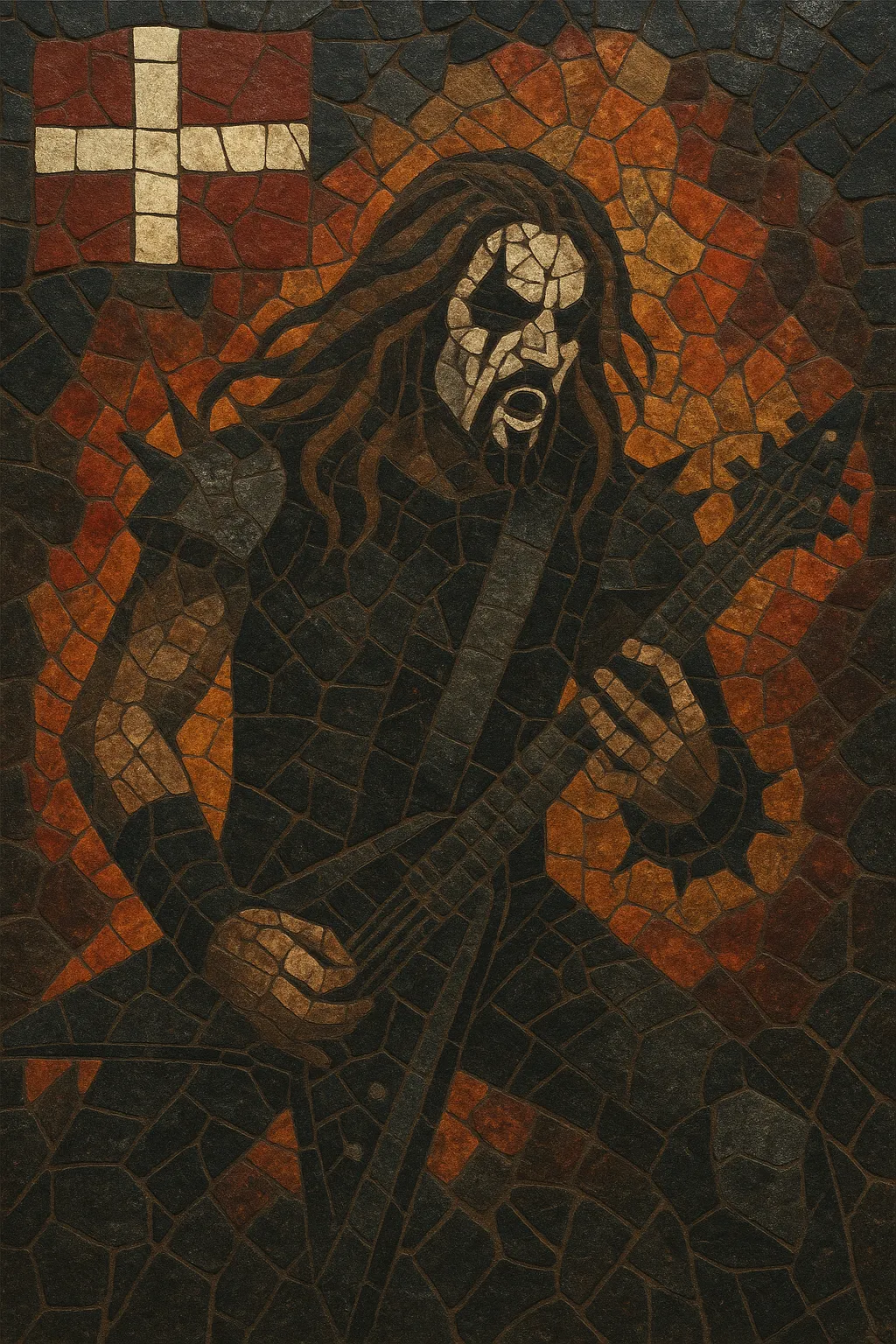
Danish metal refers to the heavy metal output and scene originating from Denmark, spanning classic heavy metal, thrash, death, black, power, groove, and modern hybrid styles.
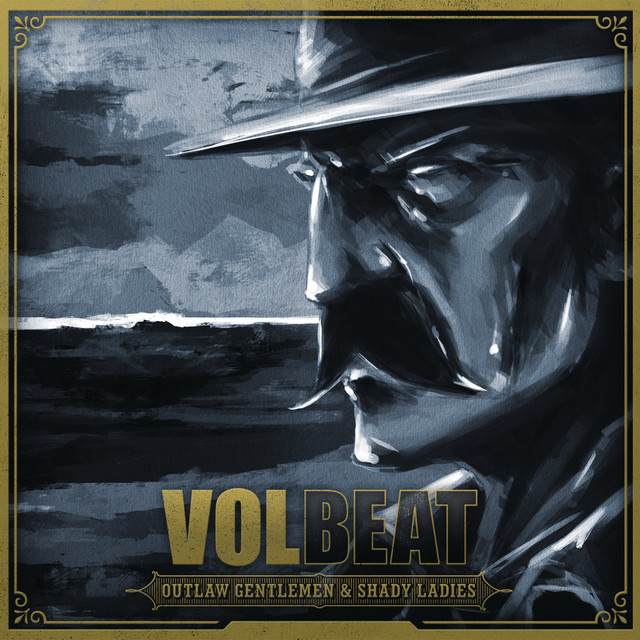
It is internationally known both for its pioneering contribution to the first wave of black metal (via Mercyful Fate and the theatrical solo work of King Diamond) and for its durable, high-craft tradition of riff-driven, melodically rich heavy metal (Pretty Maids), alongside influential thrash (Artillery, Invocator) and death/groove lineages (Illdisposed, Konkhra, Hatesphere). In the 2000s, the scene broadened its mainstream visibility through Volbeat’s hook-forward fusion of metal, hard rock, and rockabilly, while underground currents continued to cultivate progressive, melodic, and extreme variants.
Across its many branches, Danish metal is marked by crisp musicianship, a taste for dramatic storytelling, and a balance of European melody with aggressive rhythmic precision.

History
Danish metal cohered in the early 1980s with the emergence of Mercyful Fate (formed 1981), whose intricate twin-guitar writing, occult lyricism, and King Diamond’s operatic falsetto helped define the theatrical and sinister edge of the first wave of black metal. In parallel, Pretty Maids brought a distinctly melodic, high-energy heavy metal and hard rock approach that traveled widely across Europe. Artillery’s mid-1980s output put Denmark on the global thrash map with precise, aggressive riffing and a dry, punchy production aesthetic.
The 1990s saw Danish metal dig into thrash-adjacent technicality (Invocator) and develop a strong death/groove backbone (Illdisposed, Konkhra), while Artillery’s influence persisted. The ecosystem of small clubs, rehearsal spaces, and indie labels in cities like Copenhagen and Aarhus sustained a tight-knit network that favored high musicianship and road-tested live performance. By the decade’s end, Hatesphere formed, channeling a modern, melodic-thrash intensity that would become a Danish calling card on European festival stages.
Volbeat’s arrival (formed 2001) brought a unique blend of heavy metal with hooks, punk energy, and rockabilly swagger to mainstream charts, giving Danish metal unprecedented international reach. At the same time, bands like Mnemic and Raunchy explored industrial, groove, and melodic elements, aligning Danish precision with contemporary production trends and European modern metal.
The 2010s cemented Denmark’s reputation as both a touring stronghold and an exporter of dependable, high-quality metal acts. Festivals such as Copenhell showcased domestic lineups alongside global headliners, feeding a healthy pipeline for newer progressive, melodic death, and blackened projects. Today, Danish metal spans classic heavy metal traditionalism, hook-driven arena-ready hybrids, and vigorous underground extremity, all unified by tight execution, melodic sensibility, and road-hardened live chops.