Your digging level
Description
Viking black metal is a branch of black metal that fuses the raw, tremolo‑picked riffing, blast beats, and rasped vocals of the second wave with epic, folkloric melodies and overtly Norse/Viking themes. It keeps the cold, minor‑key harmonic language and lo‑to‑mid‑fi edge of black metal while foregrounding saga‑like storytelling, pagan spirituality, and nature worship.
Musically, the style balances aggression with grandeur: mid‑tempo, martial passages in 6/8 or 12/8 often sit beside faster blast sections; choirs, baritone clean refrains, and atmospheric keyboards broaden the scope; and occasional folk timbres (acoustic guitar, tagelharpa, Hardanger fiddle, flutes) deepen the archaic mood. The result is simultaneously windswept and heroic—dark yet triumphant.


History
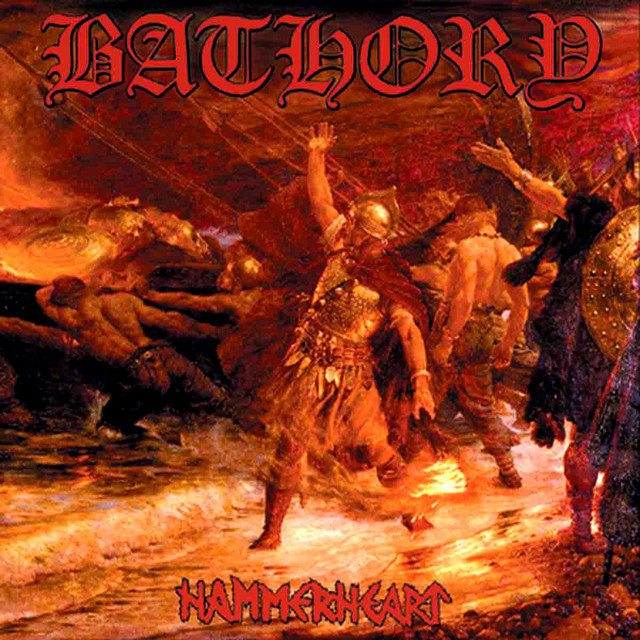
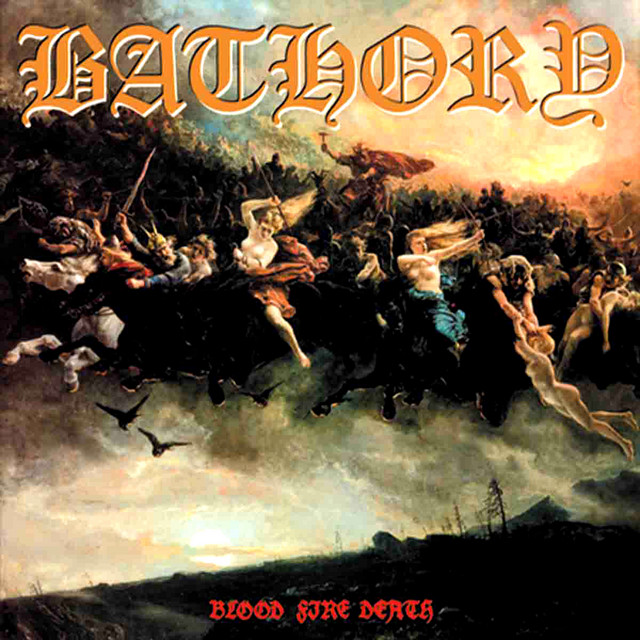
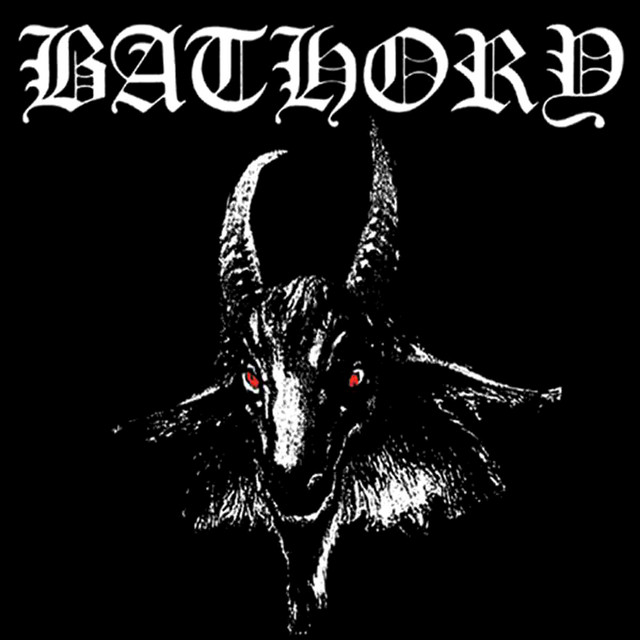
Bathory (Sweden) pioneered Norse‑themed, epic metal on Blood Fire Death (1988) and Hammerheart (1990), bridging early black metal ferocity with stately, hymn‑like writing. Around the same time, the Norwegian second wave of black metal provided the raw sonic template—icy tremolo riffs, blast beats, and harsh vocals—that would remain central to viking black metal.
Bands such as Enslaved, Einherjer, Helheim, and Mithotyn began merging Norwegian/Scandinavian folk modalities and Viking lyrical concepts with black metal’s sound. Long‑form songs, chant‑like clean vocals, and atmospheric keyboards became common, while artwork and imagery drew on runes, longships, and saga motifs.
The style broadened across Europe. Falkenbach (Germany) and Moonsorrow (Finland) emphasized cinematic scope and folk coloration, while Windir (Norway) brought melodic poignancy and regional dialect to the genre. Production gradually became clearer without losing the genre’s frosty character, and some bands integrated progressive, symphonic, or ambient elements.
Contemporary acts often juxtapose traditional black metal intensity with spacious, post‑ and folk‑influenced arrangements. Authentic instruments, Old Norse/Scandinavian languages, and historically informed themes remain common. While tangential scenes have occasionally courted controversy, the core musical lineage persists as a distinctly northern, mythic strain within black metal.
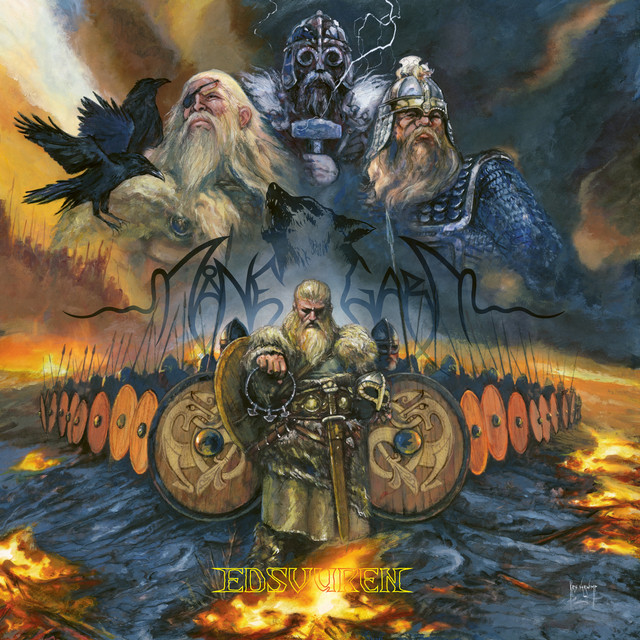
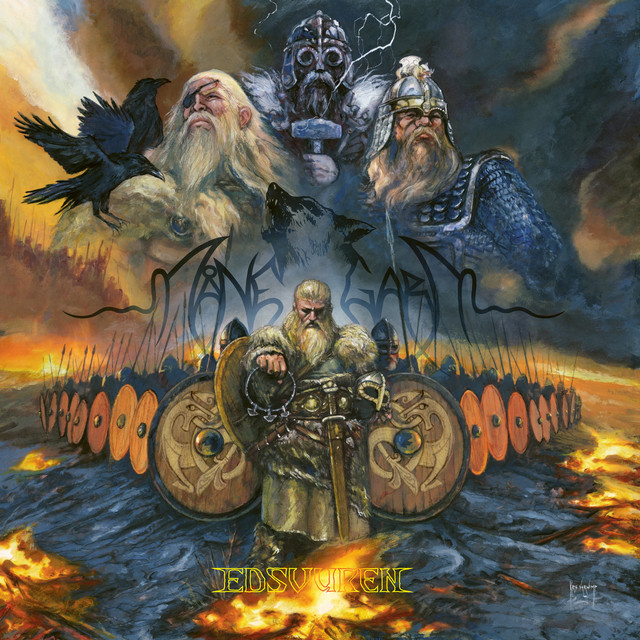
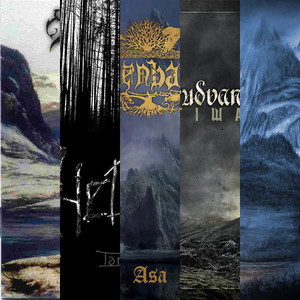
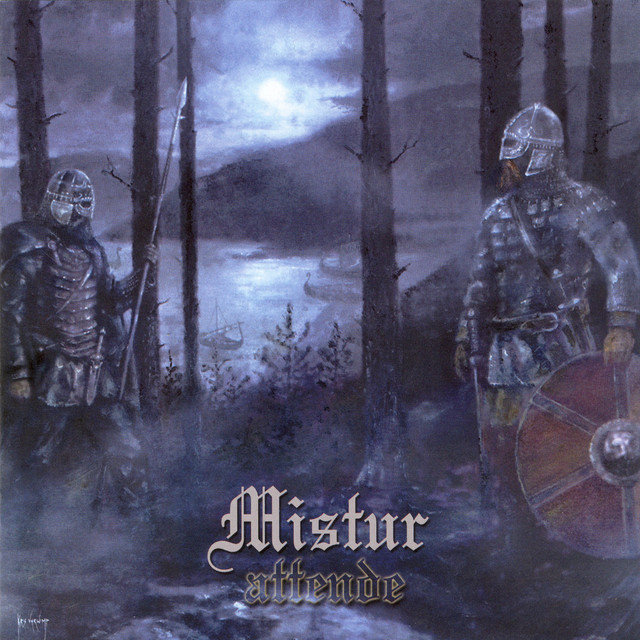
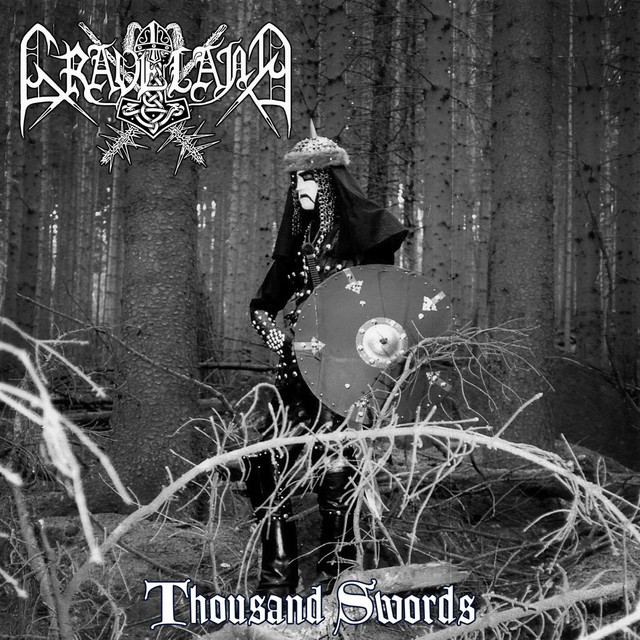
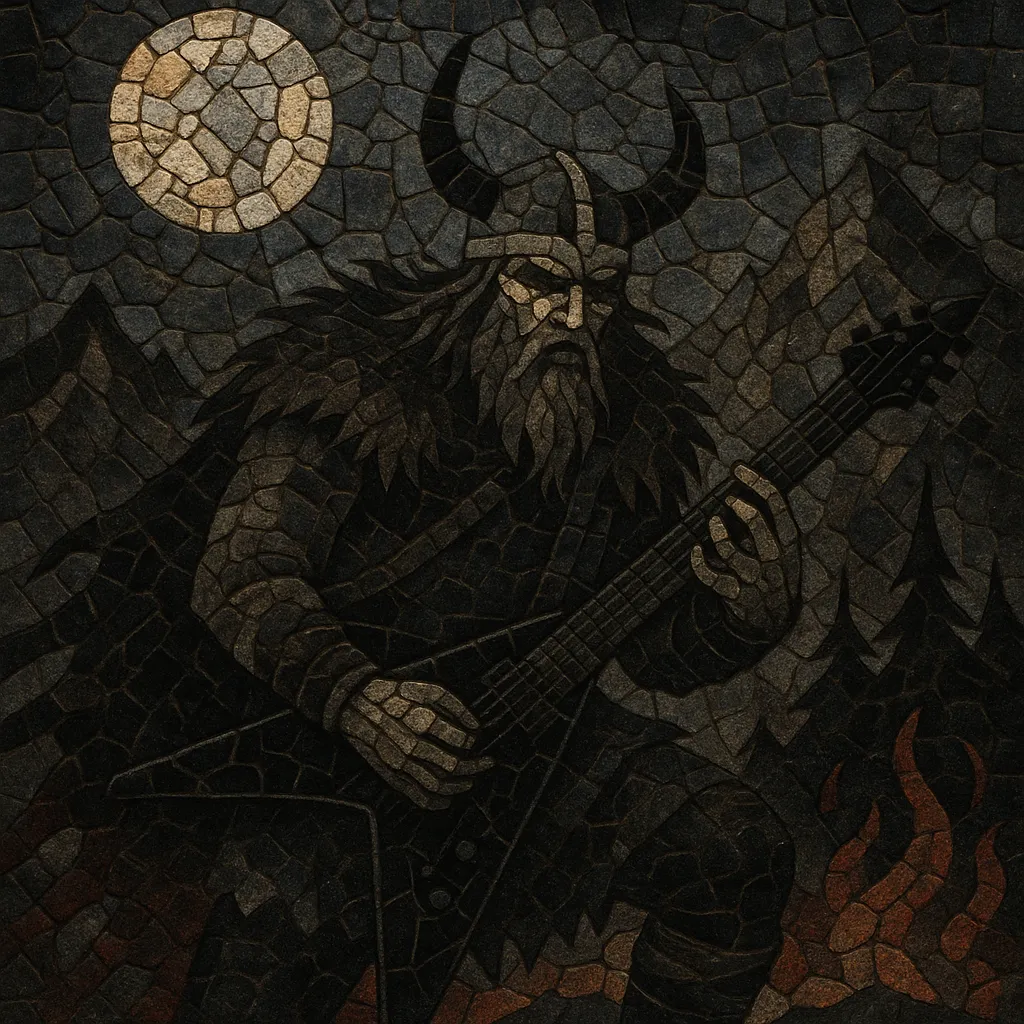
Lyrics typically reference Norse mythology, pre‑Christian rites, seafaring, harsh landscapes, and personal honor. Visuals favor runic typography, fjords, winter imagery, and woodcut‑style art, underscoring the music’s epic, ancestral focus.
-
•
Write a tremolo lead in A Dorian over pedal A with a counter‑riff in fifths.
•Arrange verse (blast) → refrain (6/8 march + clean chant) → ambient break (drone/folk) → reprise and extended coda.
•Add rune‑like, chantable refrain text and layered choir harmonies.