Your digging level

For this genre
0/8
🏆
Sign in, then listen to this genre to level up

Description

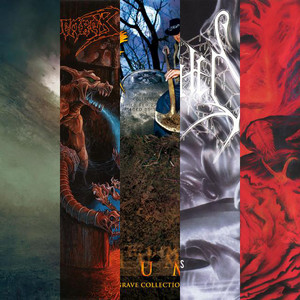
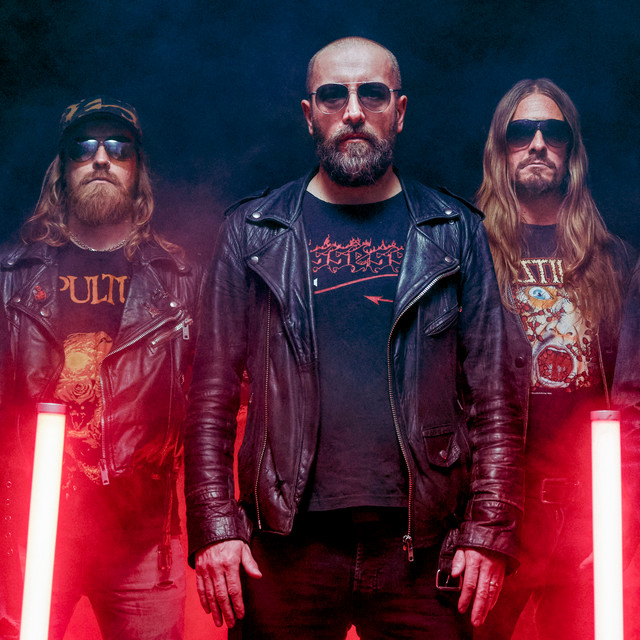
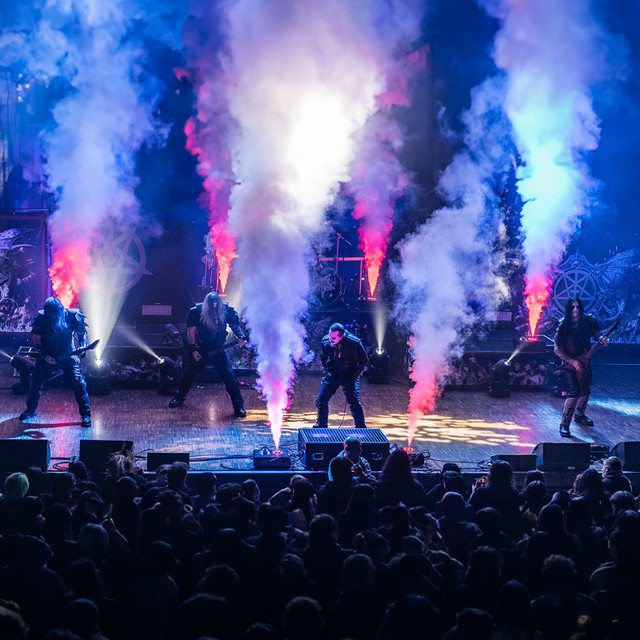
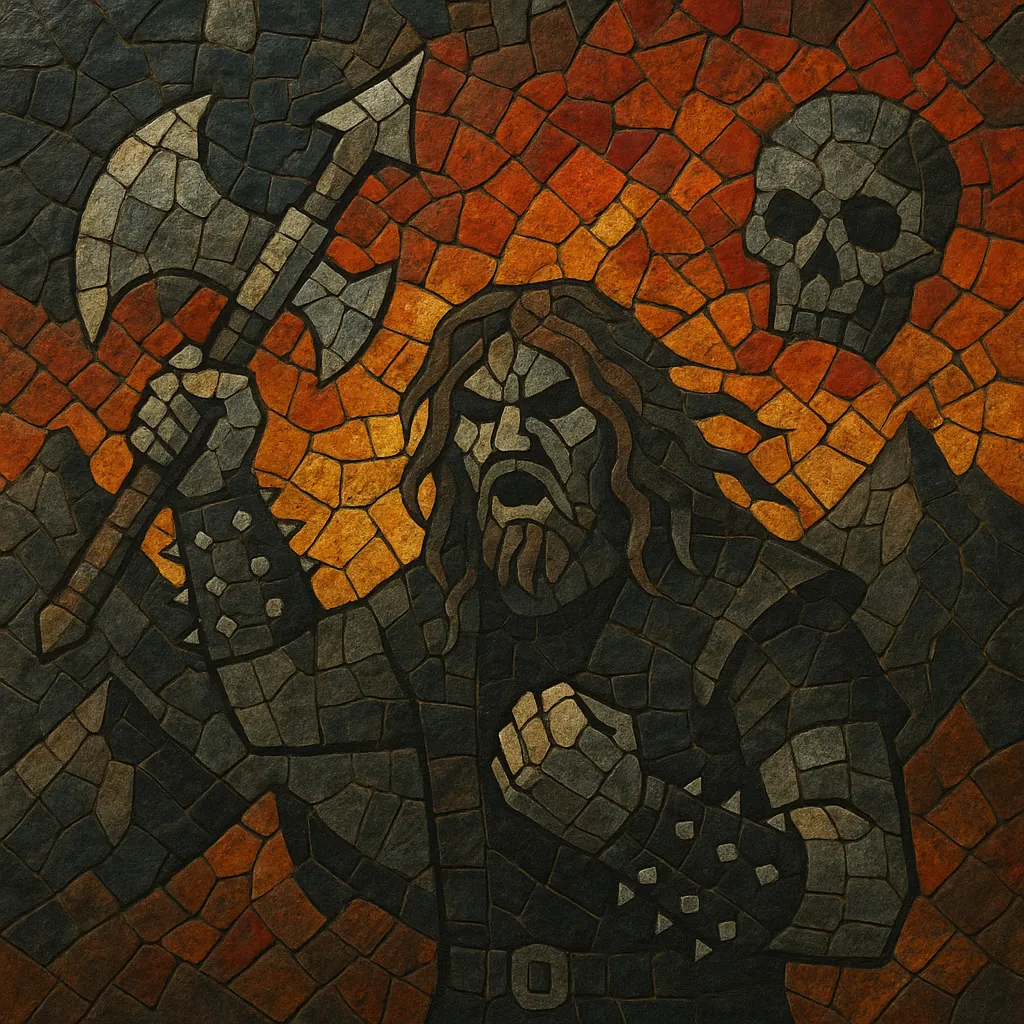
Swedish metal is an umbrella term for the metal music created in Sweden, notable for its blend of muscular riffing, dark atmospheres, and a pronounced sense of melody. It encompasses the Stockholm death metal sound with its trademark HM‑2 “buzzsaw” guitars, the Gothenburg school of melodic death metal with harmonized leads and catchy choruses, epic doom metal’s grandeur, and forward‑thinking rhythmic experimentation.

Across styles it is recognized for high production standards, songcraft that balances aggression with hooks, and a lyrical palette ranging from Norse myth and epic history to existential introspection. Swedish metal’s breadth—spanning black, death, doom, power, progressive, and more—has made it one of the most influential national scenes in metal history.


Sources: Spotify, Wikipedia, Discogs, Rate Your Music, MusicBrainz, and other online sources

History

Early roots (1980s)

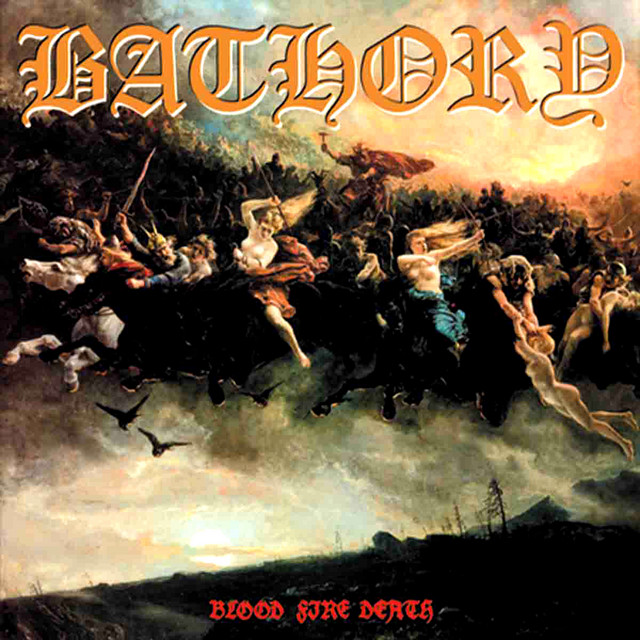
Swedish metal coalesced in the mid‑1980s. Bathory forged a raw template for second‑wave black metal and later Viking black metal, while Candlemass defined epic doom with monumental riffs and operatic vocals. Parallel to these extremes, Sweden’s hard rock and traditional heavy metal scenes laid foundational musicianship and songwriting values.

Stockholm sound and the HM‑2 (late 1980s–early 1990s)

In Stockholm, bands like Entombed, Dismember, and Unleashed created a distinct death metal identity. Recording at Sunlight Studios with producer Tomas Skogsberg, they popularized the Boss HM‑2 pedal’s all‑knobs‑maxed “buzzsaw” tone, d‑beat‑charged rhythms, and savage yet anthemic songs—canonizing the Stockholm death metal sound and even pioneering death ’n’ roll.

The Gothenburg school (1990s)

Meanwhile in Gothenburg, At the Gates, In Flames, and Dark Tranquillity fused death metal with twin‑guitar harmonies, melodic hooks, and tight song structures. This melodic death metal (“Gothenburg sound”) influenced a generation worldwide and fed directly into the rise of melodic metalcore.

Innovation and expansion (late 1990s–2000s)

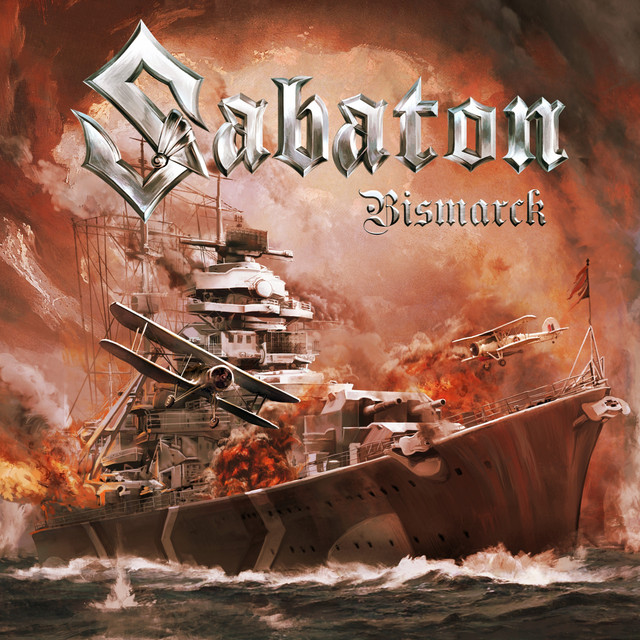
Opeth married extreme metal with progressive rock dynamics and acoustic passages, while Meshuggah from Umeå introduced polymetric grooves, extended‑range guitars, and percussive riffing that seeded djent and reshaped modern rhythm guitar. Amon Amarth carried Viking themes into stadium‑ready melodeath, and Sabaton brought power‑metal bombast with historical narratives.

Global legacy (2010s–present)

Swedish metal’s substyles continue to thrive, from black and death revivals to prog‑leaning and power‑metal chart acts. Its signatures—melodic sophistication, distinctive guitar tones, and precision production—remain cornerstones that continue to influence metal worldwide.

How to make a track in this genre

Core instrumentation and tone
•   Guitars: Use dual (or more) guitars for harmonized leads. For Stockholm death metal tones, set a Boss HM‑2 (or plugin emulation) with all knobs maxed into a cranked amp/cab sim; tight low tuning (E♭ down to B/A on 6–8 strings) enhances weight. For Gothenburg melodeath, blend saturated high‑gain rhythm with singing lead tones and chorus/delay for hooks. •   Bass: Pick attack or mildly overdriven bass to lock with kick; in death/black contexts, let bass mirror riffs; in prog/doom, allow countermelodies. •   Drums: Double‑kick patterns are essential; use d‑beat and skank beats for punk‑inflected drive, blasts for black/death ferocity, and half‑time/slower pulses for doom. Keep cymbal work articulate to support melody.
Harmony, melody, and rhythm
•   Harmony: Favor Aeolian and Phrygian modes, with harmonic minor for regal/epic flavors. Melodeath uses thirds/sixths twin harmonies; doom emphasizes stepwise minor progressions and pedal‑point weight; black metal leans on tremolo patterns and modal ambiguity. •   Rhythm: For Meshuggah‑style modernity, experiment with polymeters (e.g., 23/16 ostinatos against 4/4 backbeats) and accent cycles over steady pulses. For classic melodeath, tight 4/4 with syncopated palm‑mutes and melodic turnarounds works well.
Vocals and lyrics
•   Vocals: Employ growls/screams for death/black passages; add clean, powerful choruses for power/progressive flavors. Layer gang vocals for anthemic sections. •   Lyrics: Draw from Norse myth, history, and war narratives; explore existential themes, nature, and melancholy. Keep imagery vivid and concrete.
Arrangement and production
•   Structure: Verse–pre‑chorus–chorus with an instrumental bridge/solo is common; melodeath often front‑loads a melodic intro motif that returns as the chorus hook. •   Leads/Solos: Prioritize memorable melodies and modal color; alternate between lyrical phrasing and scalar runs. •   Production: Tight multi‑tracked rhythms (quad‑track if needed), edited but natural drums, and clear low‑end management. For HM‑2 mixes, carve mids for vocal space; for prog/djent, emphasize transient clarity and stereo width.
Practice tips
•   Study benchmarks: Left Hand Path (Entombed), Slaughter of the Soul (At the Gates), Storm of the Light’s Bane (Dissection), Blackwater Park (Opeth), Destroy Erase Improve (Meshuggah). •   Rehearse harmony guitars and click‑tight drums; iterate tones early to serve the substyle you’re targeting.

Top tracks

Locked
Share your favorite track to unlock other users’ top tracks
Influenced by
Has influenced
Challenges
Digger Battle
Let's see who can find the best track in this genre
© 2026 Melodigging
Melodding was created as a tribute to Every Noise at Once, which inspired us to help curious minds keep digging into music's ever-evolving genres.
Buy me a coffee for Melodigging