Your digging level
Description
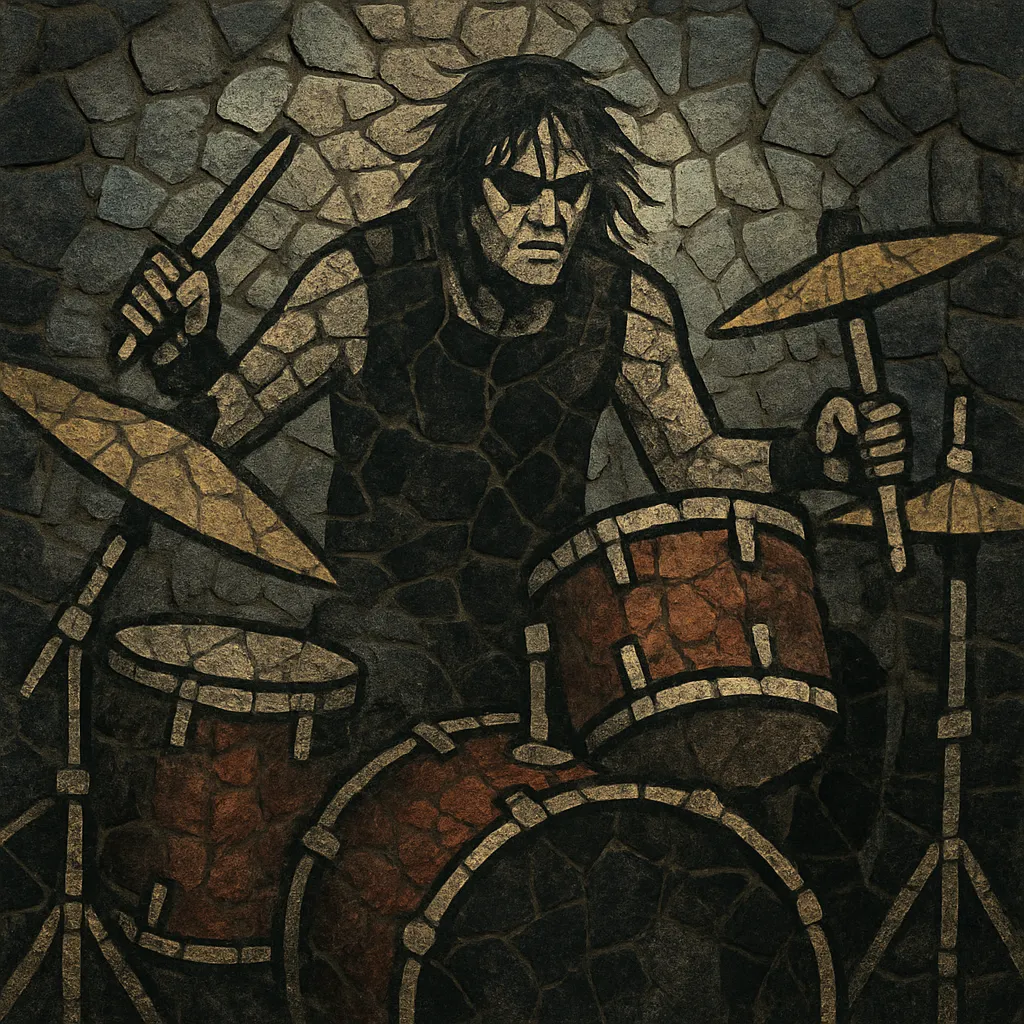
D-beat is a raw, fast, and politically charged subgenre of hardcore punk named after the signature drum pattern popularized by the British band Discharge. The style emphasizes a relentless, galloping 4/4 beat, overdriven guitars, gritty bass, and shouted vocals.
Songs are typically short (1–3 minutes), mid-to-fast tempo (often 160–220 BPM), and built around simple, minor-key power-chord riffs. Lyrics are direct and confrontational, focusing on anti-war, anti-authoritarian, and social-collapse themes. Production values are intentionally rough, prioritizing impact and urgency over polish.
Aesthetically, D-beat overlaps with UK82 street punk and anarcho-punk, and it laid key groundwork for crust punk and later extreme punk-metal hybrids. Global scenes flourished especially in Sweden and Japan, where the style became synonymous with a noisier, more abrasive “raw punk” sound.


History
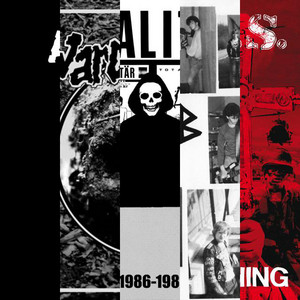
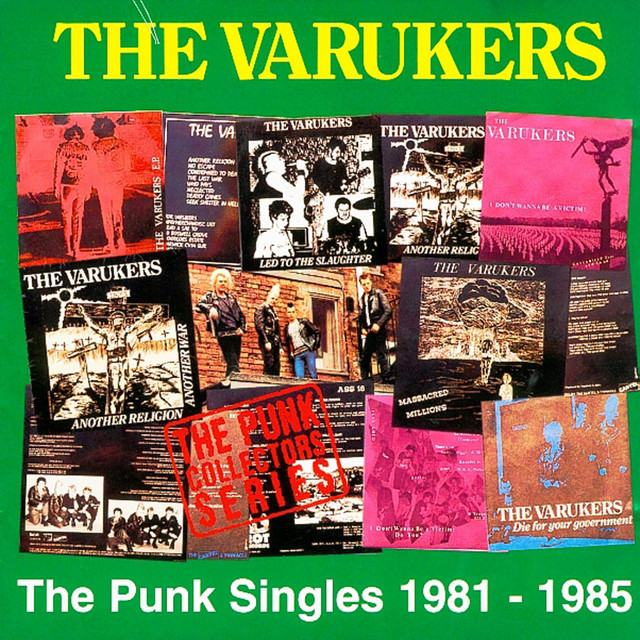
D-beat emerged in the United Kingdom in the early 1980s, crystallizing around Discharge’s stark, anti-war hardcore. Their propulsive drum pattern—fast, straight 8ths with an alternating kick–snare drive—became the genre’s signature. Early peers and fellow travelers in the UK82 and anarcho-punk milieu, such as The Varukers and Doom, reinforced the template: brutal minimalism, relentless rhythm, and bleak socio-political messaging.
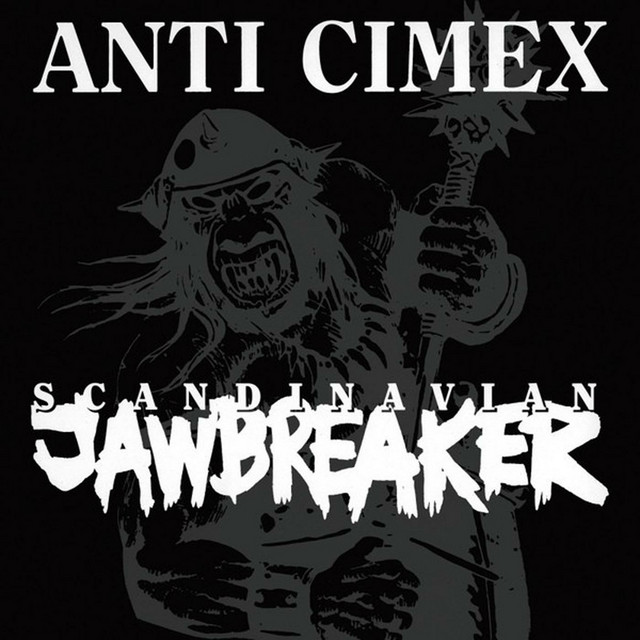
Sweden quickly became a second epicenter via bands like Anti Cimex, Mob 47, Totalitär, and (later) Wolfpack/Wolfbrigade. The Swedish sound often added denser guitar saturation and a slightly more metallic edge, influencing a broader "raw punk" aesthetic. In Japan, Disclose and Framtid pushed the noise-forward interpretation of D-beat, steeped in feedback, blown-out cymbals, and maximal intensity.
Throughout the 1990s, D-beat intermingled with crust punk and metal influences, informing bands such as Disfear, Tragedy, and From Ashes Rise. DIY labels, tape-trading, and international touring spread the sound across Europe and the Americas. The style’s stark rhythmic vocabulary also seeped into grindcore and influenced the energy of some thrash and extreme metal bands who cited Discharge.
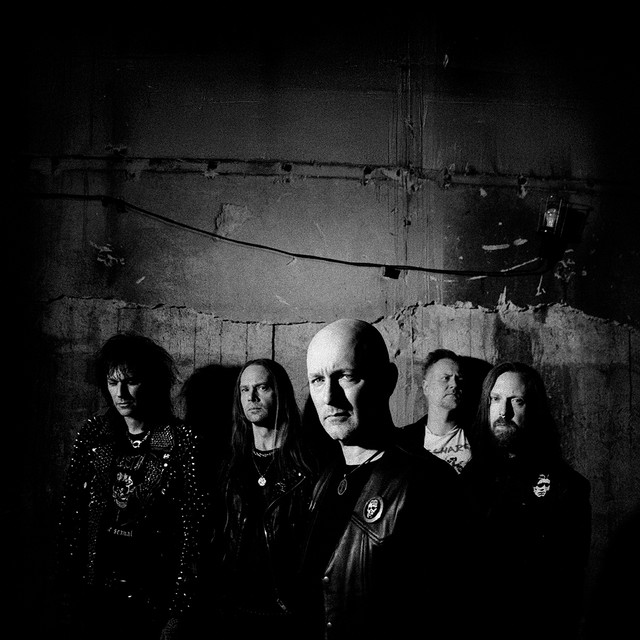
A worldwide network of D-beat and raw punk acts continues to flourish, with scenes in Latin America, Eastern Europe, North America, and Southeast Asia. Contemporary groups keep the classic formula intact while experimenting with heavier guitar tones (e.g., HM-2-style “chainsaw” distortion), noisier production, or crust/metal hybrids. Despite evolutions, the core remains: the D-beat drive, stark riffing, and uncompromising protest lyrics.