Your digging level
Description
Crack Rock Steady is a dark, politically charged offshoot of ska-punk that grafts the aggression and bleak atmospheres of crust and hardcore punk onto the off‑beat rhythms of ska, rocksteady, and reggae. The name itself riffs on "rocksteady" (the 1960s Jamaican style) while foregrounding the genre’s gritty, street‑level realism.
Musically it alternates between high‑tempo, distorted hardcore sections and half‑time skanking breaks with walking bass and off‑beat guitar upstrokes. Lyrically it is strongly activist and confrontational, centering anti‑authoritarian, anti‑capitalist, and anti‑fascist themes, alongside critiques of police brutality, environmental destruction, sexism, and speciesism. In spirit it inherits the ethos of crust punk (a fusion of anarcho‑punk and extreme metal), but channels it through a third‑wave ska framework to create a uniquely abrasive, apocalyptic take on skacore.


History
Crack Rock Steady coalesced in the New York City squat/punk scene (Lower East Side) in the late 1990s, around spaces like C‑Squat and ABC No Rio. Musicians steeped in crust and hardcore began folding ska, rocksteady, and reggae breaks into their songs, preserving the anarcho/DIY politics and the abrasive guitar tones of crust while adopting skanking off‑beats and dub‑tinged basslines.
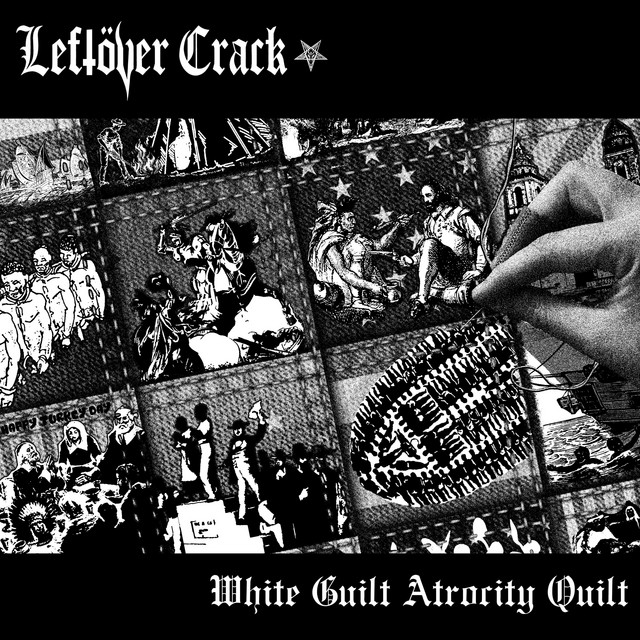
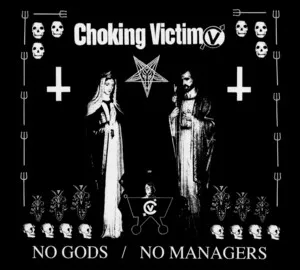
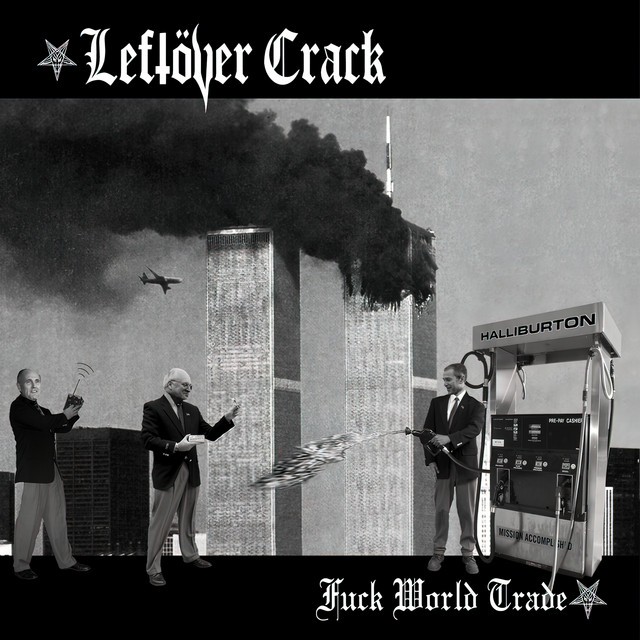
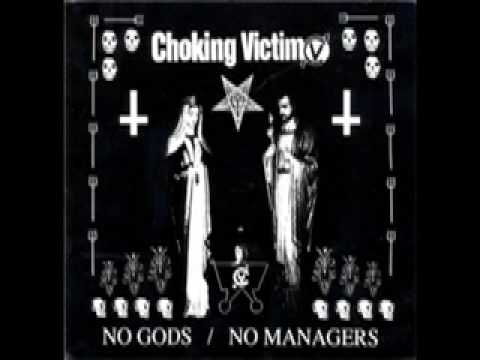
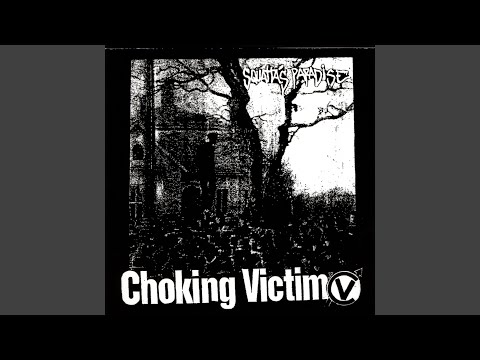
The term was popularized by Choking Victim, whose sole LP "No Gods/No Managers" (1999) became the blueprint: frantic d‑beat/hardcore passages collapse into grimy rocksteady interludes, all underpinned by anti‑authoritarian lyrics. After Choking Victim split, members formed Leftöver Crack, advancing the style on "Mediocre Generica" (2001) and "Fuck World Trade" (2004). These records codified the genre’s sound: breakneck tempos, gang vocals, metal‑edged riffing, street‑level ska breaks, and explicitly anarchist, anti‑capitalist themes.
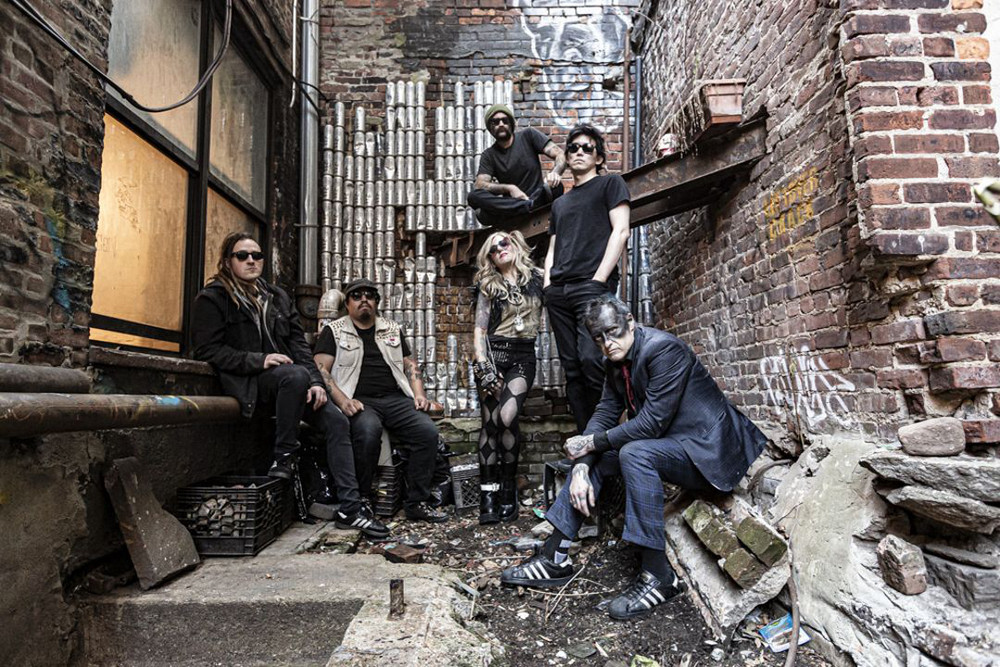
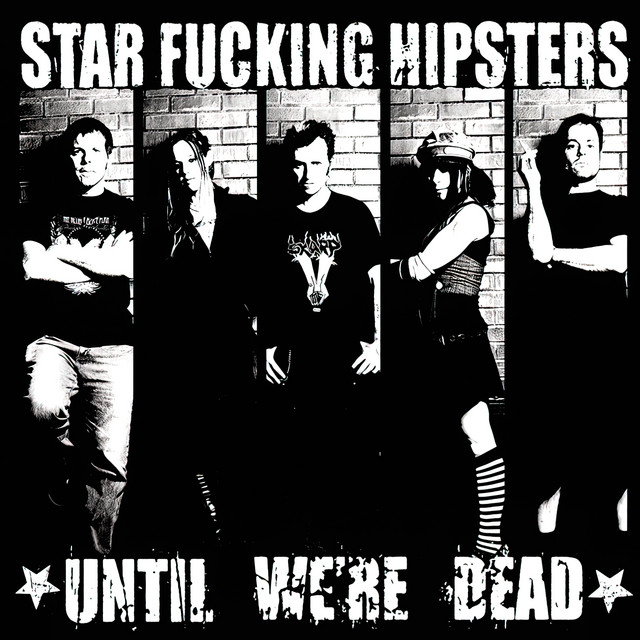
Through relentless touring and word‑of‑mouth, the sound spread across North America and into Europe and Oceania. Offshoot and affiliated bands (INDK, Morning Glory, No‑Ca$h, Star Fucking Hipsters, Public Serpents) expanded the palette—some leaning harder into crust and thrash, others emphasizing melodic punk or dub‑style breakdowns—while maintaining the genre’s political backbone. DIY labels, basement shows, and squatted venues sustained the scene and reinforced its mutual‑aid ethics.
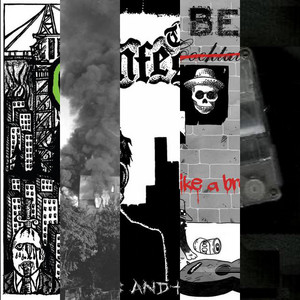
In the 2010s a new wave of groups (e.g., The Infested, Night Gaunts, Atrocity Solution) adopted and localized the template, aided by digital distribution and a thriving DIY festival circuit. The sound remains a touchstone within radical punk communities: an explicitly political, crust‑tinged skacore that keeps one foot in the pit and the other in the skank, with lyrics that continue to tackle environmentalism, anarchism, anti‑capitalism, feminism, and animal rights—consistent with the genre’s crust punk DNA.


Top albums