Your digging level
Description
Neocrust is a modern, melodic offshoot of crust punk that fuses the genre’s raw, D‑beat drive with expansive, post‑metal/post‑rock atmospherics and soaring, minor‑key melodies. It retains the political urgency, DIY ethic, and abrasive vocal delivery of classic crust, but emphasizes layered guitar harmonies, longer song forms, and dynamic contrasts.
Typical tracks blend tremolo‑picked leads over thick, downtuned rhythm guitars, propelled by fast D‑beats and occasional blasts that give way to slower, sludgy passages or cinematic builds. Lyrics are often anti‑authoritarian and ecological, delivered through harsh, shouted or screamed vocals. The result is an “epic crust” aesthetic: aggressive and dark, yet emotive, melancholic, and cathartic.


History
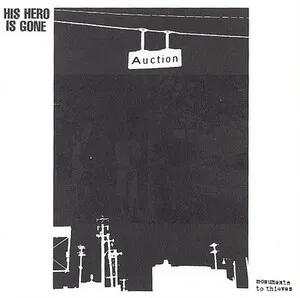
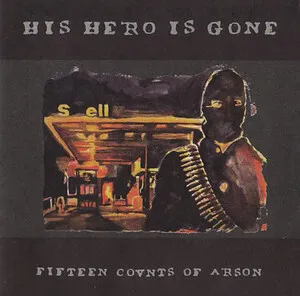
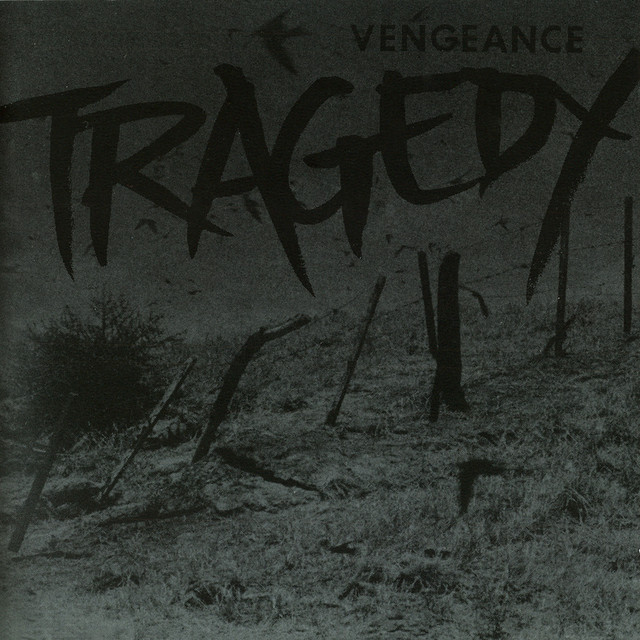
Neocrust crystallized in the early to mid‑2000s, building on the heavier, more expansive strain of crust punk pioneered by bands like His Hero Is Gone and Tragedy. While those groups emerged in the United States, a particularly influential neocrust scene took root in Spain (notably Galicia and the Basque Country) where bands such as Ekkaia, Ictus, and Madame Germen pushed crust toward longer, more melodic songs, integrating post‑metal dynamics, tremolo‑picked leads, and mood‑driven arrangements.
Throughout the late 2000s, artists across Europe and North America refined the sound—keeping D‑beat urgency and political lyricism while adopting multi‑guitar layering, minor‑key harmonies, and dramatic quiet‑loud arcs borrowed from post‑rock and sludge. UK acts like Fall of Efrafa and later Light Bearer framed neocrust with conceptual albums and narrative depth, while Scandinavian groups (e.g., Martyrdöd, Agrimonia) emphasized melodic death metal‑tinged leads and muscular production.
By the 2010s, neocrust had become a recognized “epic/melodic crust” strand, influencing blackened crust and informing parts of atmospheric sludge and post‑hardcore. The style persists in DIY networks and independent labels, prized for its blend of ferocity and emotional weight, and continues to evolve with broader production values and cross‑pollination with blackened and post‑metal scenes.


![10 ways to play a Crust/D-Beat/Hardcore Punk Riff (Guitar-Hack #2) [w/ Tabs]](https://i.ytimg.com/vi/KeOOcfmqrn4/hqdefault.jpg)