Your digging level

For this genre
0/8
🏆
Sign in, then listen to this genre to level up

Description

New Wave of OSDM (Old School Death Metal) is a 2010s–present revival movement that resurrects the aesthetics, riffcraft, and production ethos of late-1980s/early-1990s death metal. It favors down‑tuned guitars, chromatic riffing, guttural vocals, and an organic, unpolished sound that feels tactile and oppressive rather than hyper‑edited.

Stylistically it triangulates the Floridian school’s technical menace, the Incantation/Autopsy murk and doom-laden crawl, and the Swedish HM‑2 “buzzsaw” bite—often within the same album. Songs pivot between d‑beat churn, mid‑paced stomps, lurching death‑doom passages, and short blasts, with bass prominent in the mix and drums captured with room ambience. Lyrically and visually, the movement leans on cosmic horror, rot, mysticism, war, and underground tape‑trader aesthetics, sustained by DIY labels and a thriving cassette/vinyl culture.

Rather than museum‑piece nostalgia, the scene treats classic techniques as living practice: updating arrangement flow, atmosphere, and harmonic color while preserving the genre’s primal heft.


Sources: Spotify, Wikipedia, Discogs, RYM, MB, user feedback and other online sources

History

Origins (late 2000s–early 2010s)

The seeds of the New Wave of OSDM were planted as younger musicians rediscovered formative death metal—Death, Morbid Angel, Obituary, Autopsy, Incantation, Entombed, Dismember—and their demo cultures. Disenchantment with hyper‑clinical production and extreme sub‑genre fragmentation spurred a counter‑current: write riffs first, embrace dirt and room sound, and restore atmosphere.

Consolidation and Labels (mid–late 2010s)

By the mid‑2010s, a critical mass of bands and niche labels cohered across the U.S., Canada, and Europe. Imprints like 20 Buck Spin, Dark Descent, Me Saco Un Ojo, Maggot Stomp, and others championed dense, riff‑forward records with art that echoed xeroxed flyers and tape‑era layouts. Scenes in Denver, the Bay Area, the Midwest, Scandinavia, and Greece cross‑pollinated at festivals and via split releases.

Aesthetic Markers

Hallmarks included down‑tuned guitars (often to B or lower), HM‑2 or saturated tube tones, guttural vocals recorded with natural reverb, audible bass grind, and drum takes that breathe. Songs threaded d‑beat, doom crawls, bolt‑throwing marches, and brief blasts, prioritizing momentum over surgical quantization. Themes emphasized cosmic dread, decay, occult death rites, and war.

2020s: International Spread and Micro‑Currents

Into the 2020s, the movement diversified: cavernous, reverb‑soaked strains; Autopsy‑esque gore‑doom; HM‑2 worship; Incantation‑tinged subterranean cruelties; and more technical but still old‑schooled variants. Despite stylistic branches, the through‑line remains: organic heaviness, riff primacy, and a lived‑in, analog‑leaning production ethos.


How to make a track in this genre

Tuning, Tone, and Gear
•   Tune low (C standard, B standard, or drop B/A). Aim for saturated but articulate distortion. •   Two classic paths: (1) Swedish bite with a Boss HM‑2 (or clone) into a loud amp; (2) U.S. subterranean heft using high‑gain heads (e.g., 5150/JCM‑style) with a Tube Screamer boost, less compression, and plenty of cabinet thump. •   Let drums and vocals sit in a natural or chamber‑style reverb to create space without washing out attacks.
Riffcraft and Harmony
•   Build riffs from chromatic cells, minor/Phrygian colors, and tritone/flat‑2 movements. Interleave tremolo lines with palm‑muted, percussive chugs. •   Write in sections that pivot: mid‑tempo stomp → d‑beat churn → doom crawl → short blast, then return with a variation. Keep transitions purposeful and riff‑led. •   Layer guitar lines: one anchors the groove while the other snakes dissonant intervals, slides, or harmonized minor seconds/fourths.
Rhythm and Drums
•   Drumming should breathe: prioritize live feel over grid‑perfect edits. •   Core vocabulary: d‑beats and caveman 4/4 marches at 90–160 BPM, interspersed with brief blasts and double‑kick barrages. Death‑doom breaks at 60–80 BPM amplify dread.
Bass and Low‑End
•   Keep bass slightly gritty and forward in the mix; lock with kick on key downbeats but allow fills to surge between vocal phrases. Consider pick attack for extra grind.
Vocals and Lyrics
•   Deliver cavernous growls or abyssal lows; layer occasional distant shrieks for contrast. •   Topics: cosmic horror, decay, occult rites, martial ruin, existential dread. Favor evocative imagery over literal narratives.
Arrangement and Production
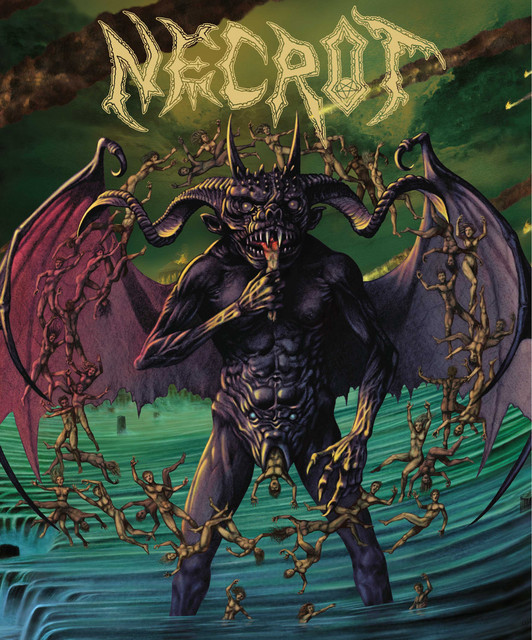
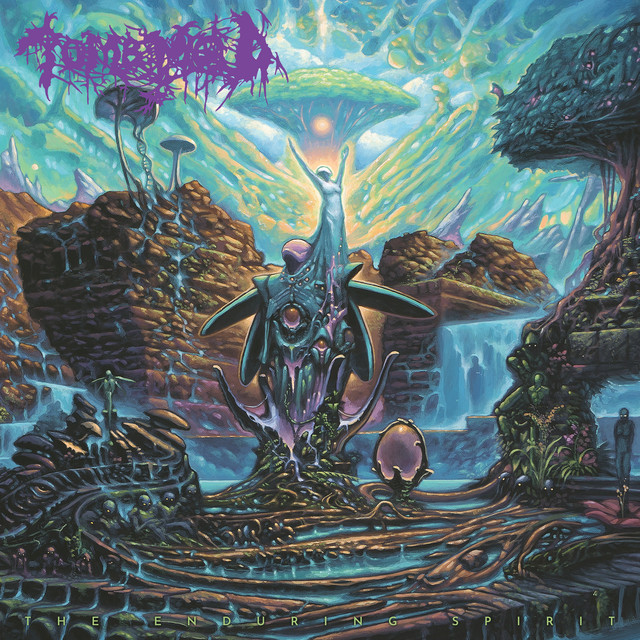
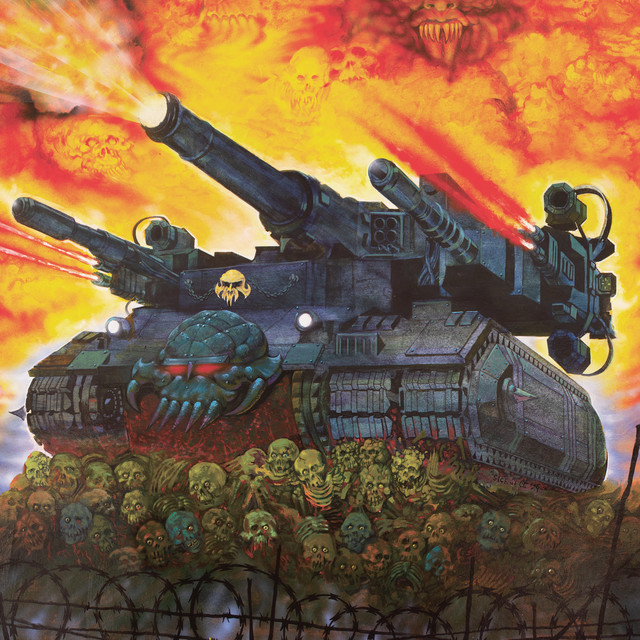
•   Track live rhythm basics when possible. Avoid over‑editing—minor imperfections enhance menace. •   Use room mics on drums; blend close mics for punch. Avoid excessive high‑end fizz; let mids carry the riff. •   Artwork/layout should echo tape‑trader aesthetics: monochrome inks, grotesque illustration, minimal digital sheen.

Top tracks

Locked
Share your favorite track to unlock other users’ top tracks

Upcoming concerts

in this genre
Influenced by

Download our mobile app

Get the Melodigging app and start digging for new genres on the go
© 2026 Melodigging
Melodding was created as a tribute to Every Noise at Once, which inspired us to help curious minds keep digging into music's ever-evolving genres.
Buy me a coffee for Melodigging