Your digging level
Description
Holy terror is a dark, metal-laced strain of hardcore punk known for its apocalyptic, occult-tinged aesthetics and a relentlessly aggressive sonic approach. It blends the speed and bite of hardcore with the riff craft and dissonance of thrash and black metal, often favoring mid-to-fast tempos, skank and d-beat patterns, and stark, shouted vocals.
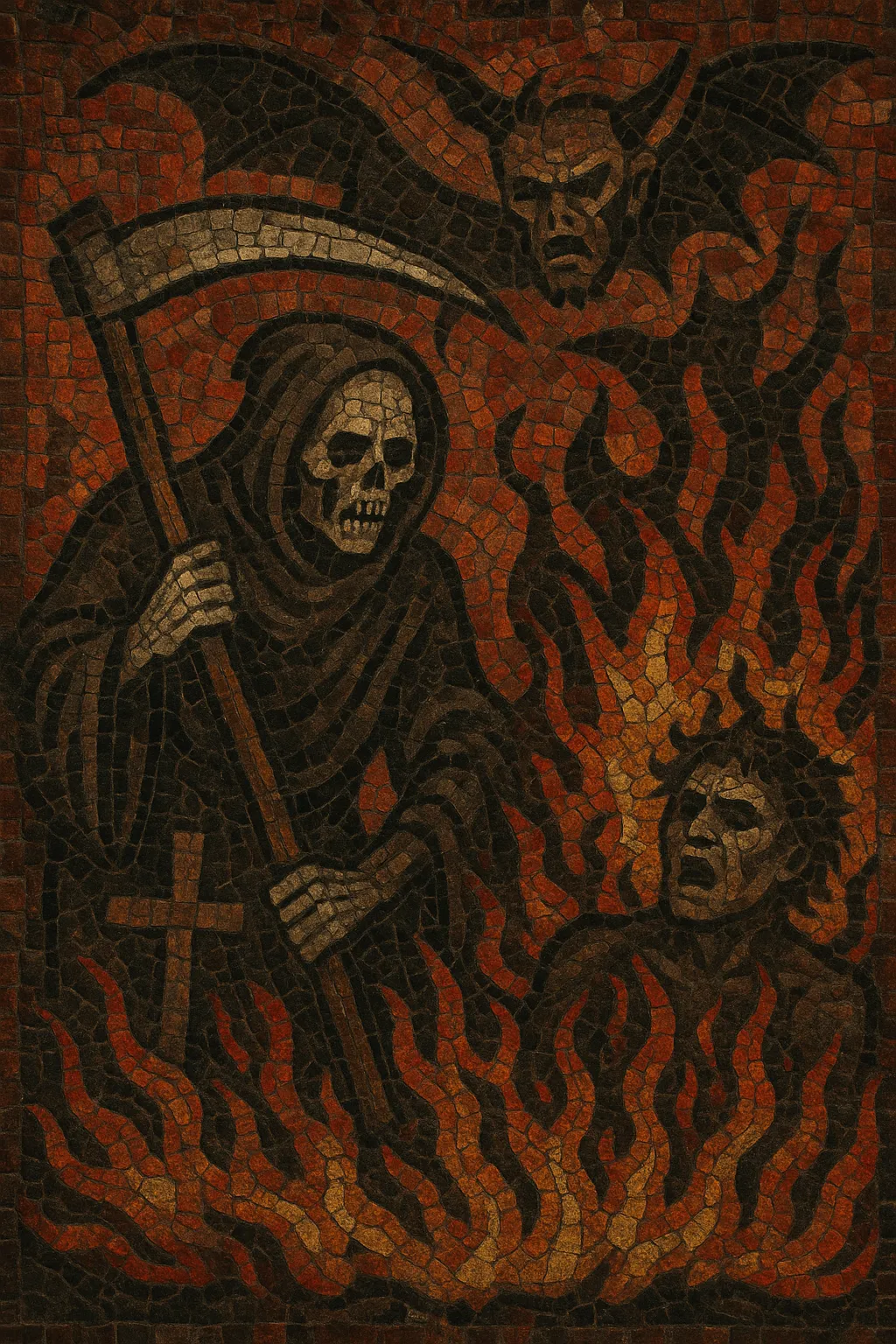
The style is closely associated with the early-1990s Cleveland scene, where bands pushed hardcore beyond straight edge moralism into a grim, eschatological worldview. Lyrics and artwork frequently reference religious imagery, spiritual warfare, and end-times narratives, paired with samples, noise interludes, and bleak, collage-like visuals. The result is a metallic hardcore substyle that feels both ritualistic and confrontational.

History
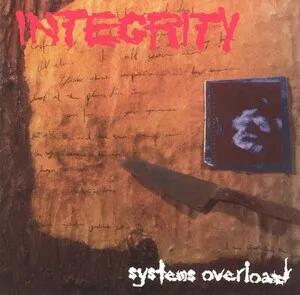
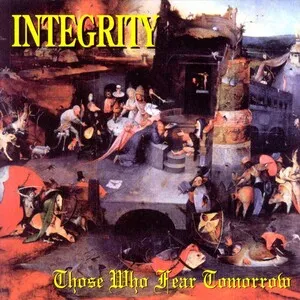
Holy terror emerged in the early 1990s in the United States, particularly around Cleveland, Ohio. Bands such as Integrity and Ringworm began infusing hardcore punk with thrash and black metal riffing, darker harmonies, and apocalyptic lyrical themes. This aesthetic was reinforced by stark artwork, occult motifs, and the use of samples and noise, creating an atmosphere that set it apart from both straight edge and more traditional metallic hardcore.
As the sound coalesced, a loose scene formed around key bands and collaborators—expanding beyond Cleveland to include groups from the Midwest, the East Coast, and later Europe. Releases, zines, and label networks helped codify the style’s sonic palette and visual language: down-tuned guitars, d-beat/skank rhythms, dissonant and tremolo-picked passages, and bleak, collage-heavy art.
In the 2000s, the holy terror approach influenced a new wave of metallic hardcore acts across the US and Europe. Labels and DIY circuits connected like-minded bands, while the aesthetic spread into UK and Belgian scenes, where groups absorbed its dark tonality and combative pacing. Live shows emphasized cathartic intensity, with mosh parts that felt less like clean breakdowns and more like lurching, ominous surges.
By the 2010s, holy terror’s imprint could be heard across blackened hardcore, heavier metalcore, and certain beatdown strains. Contemporary bands often borrow its atmosphere—ritualistic samples, sermons or film snippets, and eschatological themes—while modern production sharpens the edges. The genre remains a touchstone for those seeking hardcore that feels both spiritually charged and sonically punishing.



Top albums
Best playlists


![Holy Terror - Mind Wars (Full Vinyl LP Album) [1988]](https://i.ytimg.com/vi/eu2WzpTzWng/hqdefault.jpg)