Your digging level
Description
Blackened screamo is a hybrid of skramz-era screamo and second‑wave black metal aesthetics. It blends the genre’s raw, emotionally charged vocals and desperate dynamic surges with tremolo‑picked guitar figures, blast beats, and an enveloping, cold atmosphere.
Typical songs pivot between blistering speed and mournful, reverb‑drenched expanses. The harmony favors minor keys, dissonant clusters, and chromatic movement, while production often embraces intentional abrasion—lo‑fi edges, room bleed, and cavernous ambience—to intensify the sense of urgency and bleakness.
Lyrically, blackened screamo carries screamo’s confessional, existential, and socially critical core, but frames it with black metal’s desolate, sometimes apocalyptic tone. The result is a cathartic, high‑intensity style that feels both immediate and vast.

History
Blackened screamo emerged from the intersection of DIY screamo/skramz revival scenes and the expanding post‑black metal/blackgaze movement. Independent labels, online forums, and Bandcamp-enabled micro‑communities allowed screamo bands to absorb black metal’s tremolo riffing, blast beats, and bleak atmosphere without abandoning skramz’ cathartic vocal delivery and volatile dynamics.
Through the 2010s, groups from the U.S. and Europe began forging a more defined hybrid: desperate, high‑register screams and spoken confessions threaded into black‑metal drum vocabulary and minor‑key guitar tapestries. Labels and collectives tied to screamo, post‑hardcore, and the darker fringes of post‑metal (e.g., Deathwish Inc., The Flenser, Holy Roar, and a web of tape‑driven DIY imprints) helped the sound circulate. Cross‑pollination with blackgaze and post‑rock brought wide‑screen crescendos and long‑form arrangements into the style.
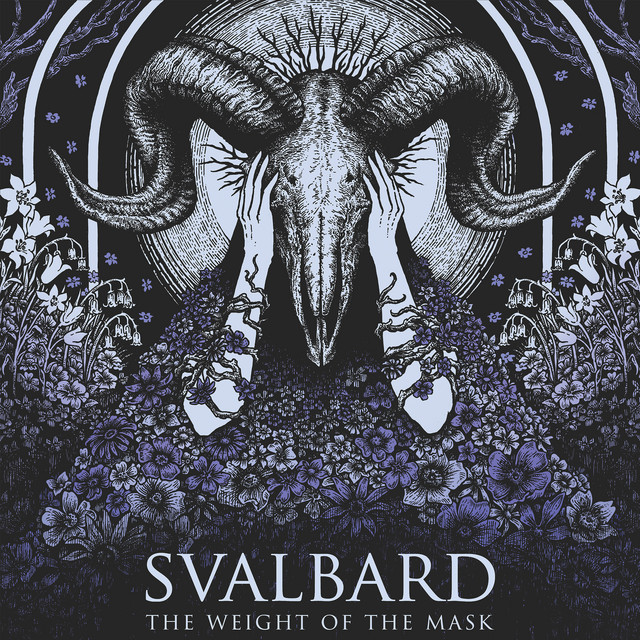
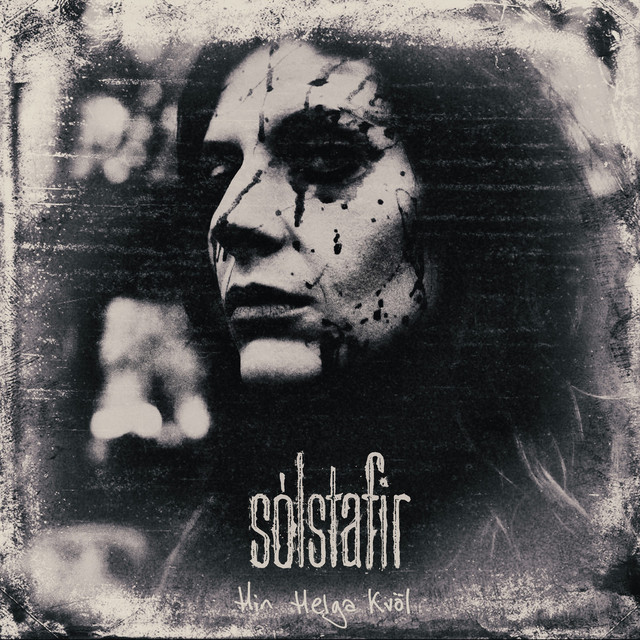
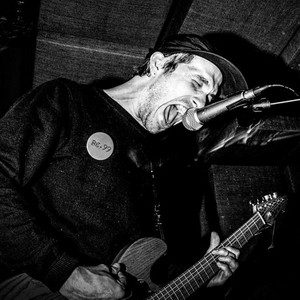
The scene retained screamo’s basement-show ethic—small rooms, floor-level performances, and community-first organizing—while adopting black metal’s shadowed visual language: stark monochrome artwork, distressed layouts, and immersive live light/smoke design. Songwriting increasingly juxtaposed blast-driven urgency with shimmering ambient passages, allowing longer arcs of tension and release.
In the 2020s, blackened screamo became a recognizable strand within the broader heavy underground. Bands leveraged modern production to balance clarity and abrasion, while continuing to explore themes of personal trauma, alienation, and social decay. The style’s reach broadened internationally, with North American and European hubs remaining central but scenes emerging across Latin America and Asia via digital distribution and DIY touring networks.