Your digging level
Description
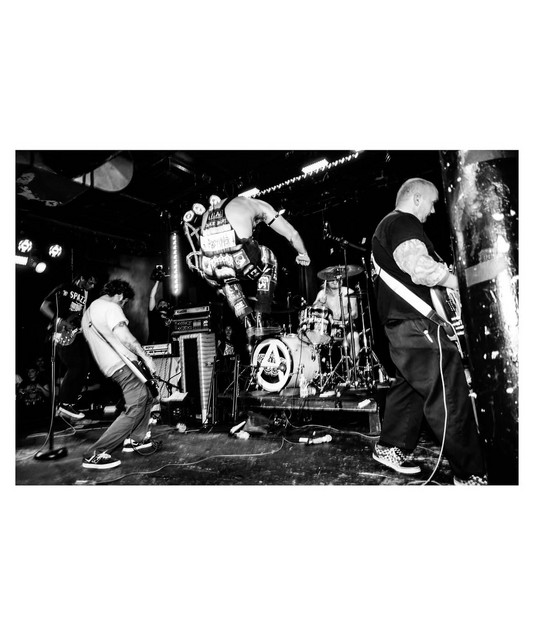
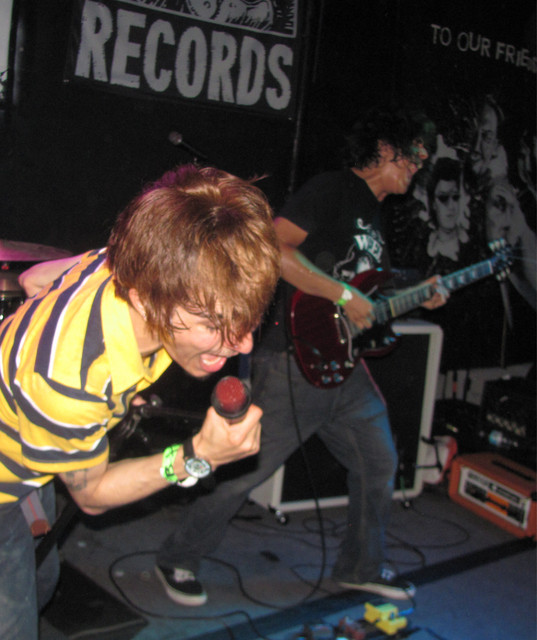
New wave of screamo (often abbreviated as NWoS) is a 2010s-era revival and expansion of 1990s/2000s skramz/screamo that blends the style’s raw catharsis with modern post-rock atmospherics, emo melodicism, and occasional blackgaze ferocity.
It is characterized by desperate, high-register screamed vocals, whiplash dynamic contrast (from whisper-quiet, twinkly passages to explosive crescendos), tense, dissonant chord voicings alongside suspended/add9 “emo” harmonies, and drumming that can pivot from restrained, room-mic’d subtlety to blasty, emoviolence-adjacent bursts. Lyrics tend to be deeply personal, reflective, or politically aware, and the production often favors an immediate, live-in-the-room feel that preserves grit and dynamic headroom.
DIY networks, small labels, and Bandcamp-era distribution helped the sound spread globally, while collaborations with post-rock, post-hardcore, and shoegaze/blackgaze aesthetics gave the style a widescreen, cinematic intensity without losing its basement-show urgency.


History
Screamo (often called skramz in its original, underground form) emerged in the 1990s out of hardcore punk and emo, emphasizing cathartic vocals, dissonance, and dramatic dynamics. Across the 2000s, European and North American scenes (including bands from Italy, France, Sweden, Japan, and the U.S.) broadened the palette with longer forms, post-rock crescendos, and bursts of emoviolence speed. This groundwork set the stage for a fresh surge in the following decade.
By the early-to-mid 2010s, a “new wave of screamo” coalesced. Bands leaned into twinkly guitar figures, cinematic post-rock arcs, and raw, intimate production while retaining the core emotional intensity of skramz. DIY labels and festivals, online communities, and Bandcamp-centric distribution accelerated cross-pollination between scenes in the U.S., Canada, Europe, and beyond. Some groups incorporated blackgaze/post-black textures and noise-laden climaxes, while others foregrounded mathy rhythms or slow-burn post-metal ambience.
NWoS kept screamo’s ethics intact: community-first organizing, small spaces, limited-run physical media, and collaborative splits. Lyrically, it remained confessional and socially engaged. Sonically, the wave balanced immediacy with breadth—quiet/loud contrasts, harmonically tense verse sections that bloom into towering finales, and drumming that toggles between airy restraint and frantic urgency.
The new wave inspired offshoots ranging from bedroom-recorded skramz to blackened screamo hybrids, while informing adjacent post-hardcore and emo scenes. Its emphasis on dynamics, atmosphere, and direct emotionality continues to shape contemporary heavy/emo-adjacent underground music.