Your digging level
Description
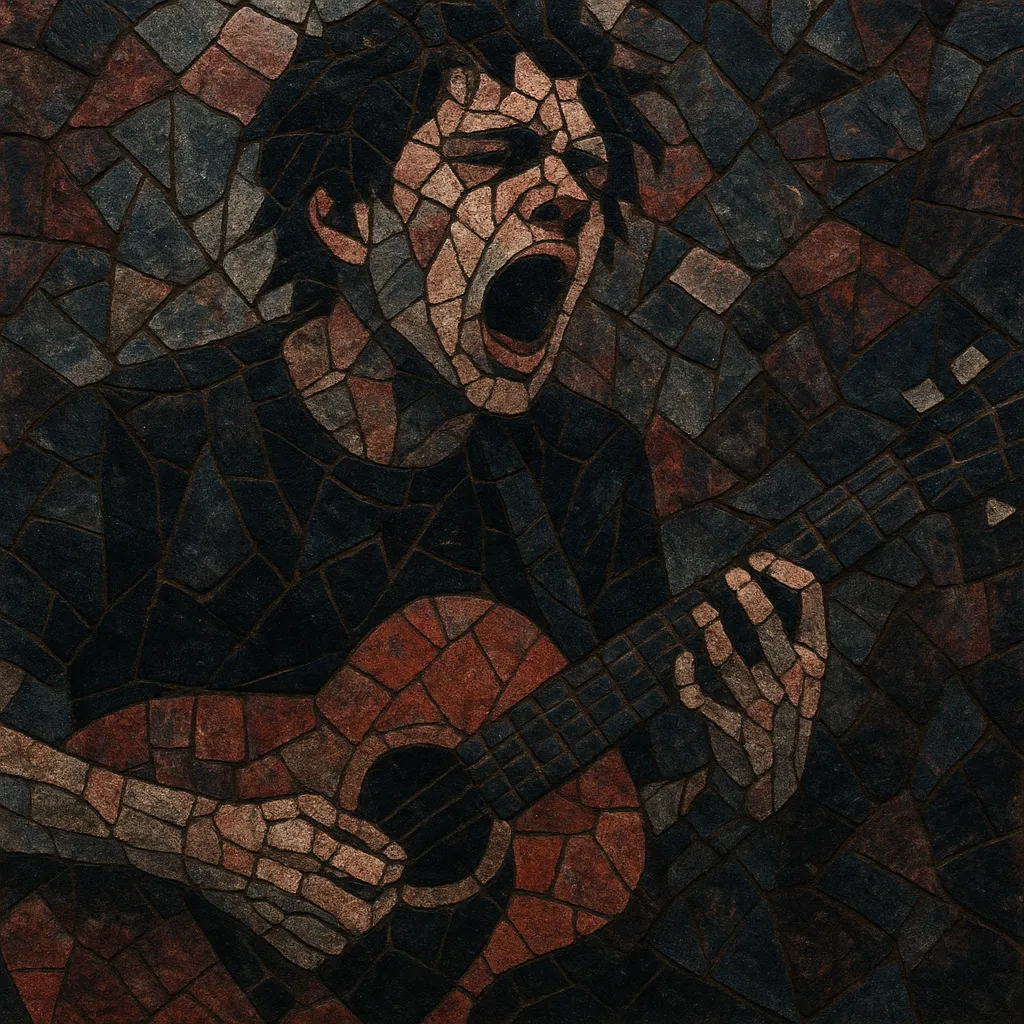
Skramz is the grassroots, early form of screamo that emerged from DIY hardcore and emo scenes in the mid‑to‑late 1990s. Raw, cathartic vocals, breakneck dynamics, and fragile clean passages collide to create songs that feel intimate and volatile at once.
Hallmarks include tense quiet‑loud arcs, dissonant chord voicings, trebly guitar tones that flicker between arpeggios and frantic strumming, and highly expressive, often confessional lyrics. Unlike more polished, post‑2000s screamo variants, skramz foregrounds unfiltered emotion, community ethics, and a live‑in‑the‑room sound.


History
Skramz grew out of the overlap between 1990s emo and the DIY hardcore punk underground in the United States. Small labels like Gravity Records (San Diego) and Ebullition Records helped connect scenes where bands combined the intensity of hardcore with the fragility and dynamics of emo. Early cornerstones included groups such as Indian Summer (Bay Area) and the East Coast wave—Saetia (NYC), Orchid (Massachusetts), and Pg.99 (Virginia)—whose short, explosive songs, spoken‑word passages, and cathartic screams defined the template.
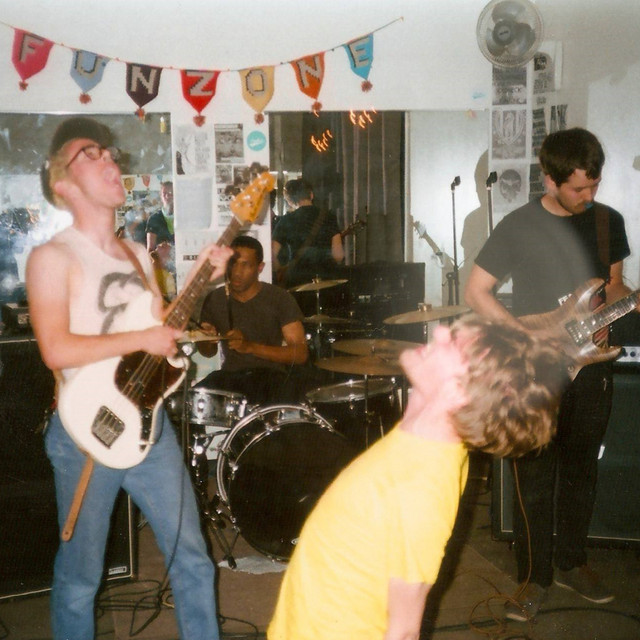
Basements, VFW halls, and living rooms were the primary venues, shaping a floor‑show aesthetic where bands performed at audience level. Labels such as Level Plane and zine/board culture (flyers, message boards, tape trading) amplified word‑of‑mouth distribution. The sound diversified: some bands folded in mathy turns and stop‑starts, others leaned into mournful post‑rock crescendos, and a few pushed toward ultra‑fast, chaotic extremes.
In the early 2000s, bands like City of Caterpillar and Funeral Diner blended skramz with post‑rock atmospherics, while Jeromes Dream and Orchid cemented the style’s terse ferocity. The genre soon globalized: Italy’s Raein and La Quiete, and Japan’s Envy, carried the torch with distinctive regional fingerprints while keeping the DIY ethos intact.
From the 2010s onward, renewed interest in 1990s emo and skramz fueled revivals and adjacent micro‑scenes (including internet‑age offshoots). Newer bands continue to prioritize community over commerce, releasing records on small labels, touring intimate spaces, and preserving the unvarnished sonic character—even as production tools have improved.
Skramz is as much an ethic as a sound: all‑ages access, anti‑hierarchy, and inclusivity; minimal stage separation; and recordings that privilege feel and immediacy over perfection. That stance remains central to how the genre is created, shared, and experienced.
-
•
Establish a quiet motif (clean arpeggio + bass drone).
•Tease tension with chromatic movement or a rhythmic fake‑out.
•Detonate into a dense, dissonant burst with screamed vocals.
•Pull back suddenly; repeat with variation; end abruptly or with a final, ringing chord.