Your digging level for this genre

0/8
🏆
Sign in, then listen to this genre to level up

Description

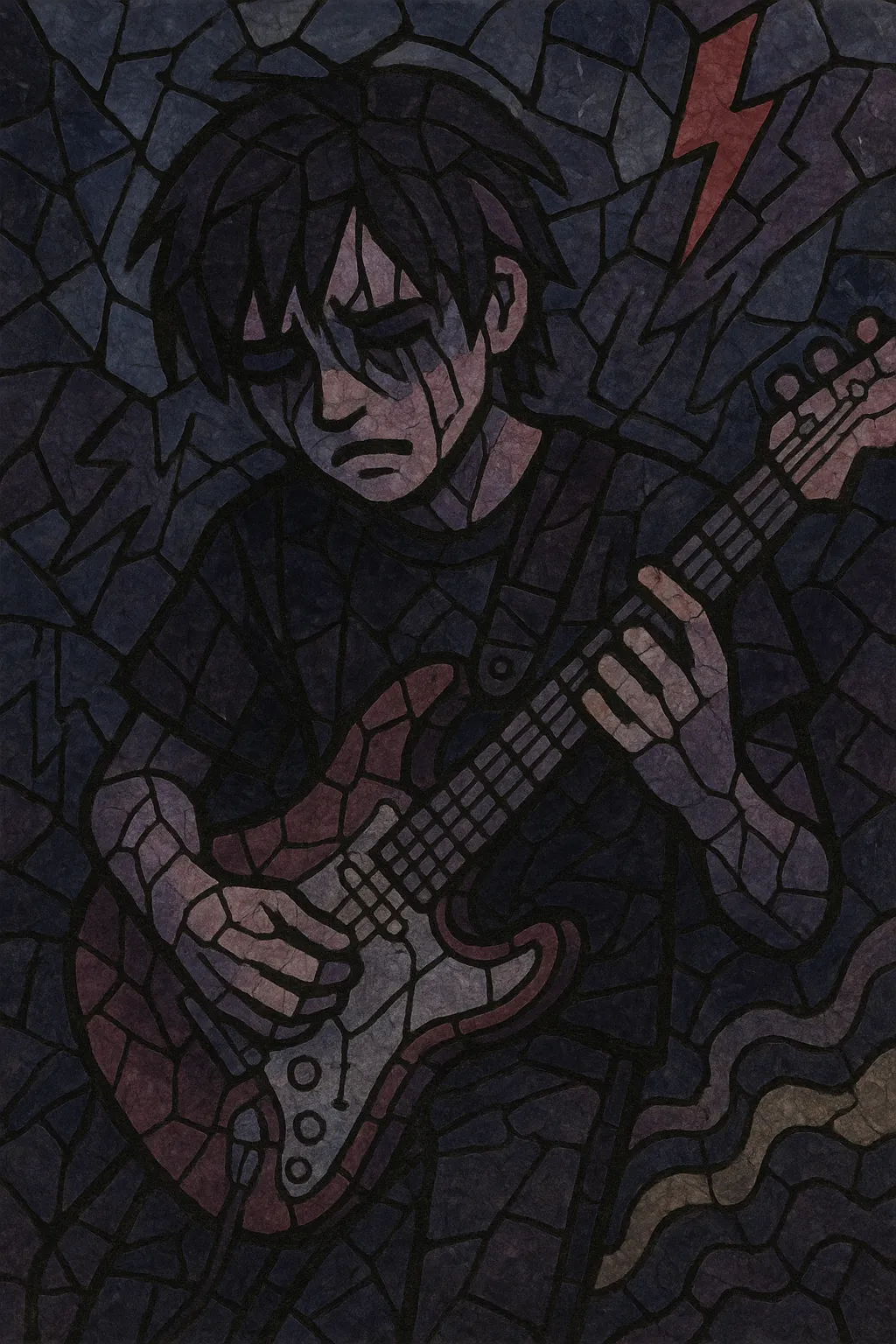
5th wave emo is a 2020s, internet-native evolution of emo that fuses midwest emo’s twinkly guitars and confessional lyricism with hyperpop/digicore production tricks, glitchy sound design, and DIY bedroom aesthetics.

It tends to juxtapose emotive guitars, punk-derived vocal intensity, and mathy accents with digital drums, breakcore fills, Auto-Tune, bitcrushed synths, and loud/soft jump cuts. The result feels both nostalgic and forward-looking—anxious, diaristic music that speaks to online adolescence, depersonalization, and identity in the algorithmic era.

History

Origins (late 2010s – early 2020s)

The term “5th wave emo” emerged as a tongue‑in‑cheek but useful shorthand for a new online cohort carrying emo’s DNA into the 2020s. Young artists—often on SoundCloud, Bandcamp, and Discord—blended midwest emo guitar language with hyperpop/digicore’s digital maximalism and DIY workflow. Early touchpoints included bedroom projects that layered twinkly arpeggios over 808s, breakcore‑influenced drums, Auto‑Tune, and glitch edits.

Aesthetics and Community

Unlike earlier waves anchored to localized scenes, 5th wave emo coalesced in virtual spaces. Artists shared stems, presets, and arrangements, normalizing rapid genre‑hybridization. The aesthetic ranges from hushed, lo‑fi diary entries to explosive, clipping mixes that pivot abruptly between intimacy and overload—mirroring the scroll of online life.

Consolidation and Recognition

By the early–mid 2020s, music press and fan discourse acknowledged a set of acts interweaving emo, screamo, mathy indie, and hyperpop signifiers. Albums and viral singles from this sphere codified motifs: bright, chorus‑soaked guitars; frenetic drum programming; filtered screams next to Auto‑Tuned hooks; and lyrics about isolation, dysphoria, and digital coming‑of‑age.

Legacy

5th wave emo reframed emo not as a guitar‑only idiom but as a flexible songwriting sensibility compatible with DAWs, sample packs, and club‑leaning sound design. It opened doors for adjacent micro‑styles—especially bedroom skramz and pop‑forward emo—to adopt glitchcore and hyperpop’s tools without losing emo’s core emotional clarity.


How to make a track in this genre

Instrumentation and Sound Palette
•   Start with a midwest emo guitar bed: clean or lightly overdriven, chorus/modulation, bright picks, and twinkly arpeggios. Layer occasional math‑rock tapping or odd‑meter riffs. •   Pair guitars with digital drums: 808s, clipped kicks, skittering hi‑hats, and breakcore‑style fills. Don’t be afraid of abrupt mutes, drop‑ins, or stutters. •   Add hyperpop/digicore colors: bitcrushed leads, formant‑shifted backing vocals, granular glitches, and wide, side‑chained pads that duck to the kick.
Harmony, Melody, and Rhythm
•   Harmony leans diatonic with emo’s bittersweet extensions (add9, sus2/sus4, occasional borrowed chords). Common tempos range from 120–170 BPM; metric hiccups and half‑time flips add excitement. •   Melodies alternate between shouted/sung catharsis and Auto‑Tuned hooks. Countermelodies on guitar or synth mirror vocal contours for climactic choruses.
Lyrics and Themes
•   Write in a confessional, diaristic voice: online alienation, identity, mental health, friendships/romance in digital spaces. Concrete imagery + internet vernacular keeps it contemporary.
Arrangement and Production
•   Embrace dynamic whiplash: quiet bedroom verses that explode into dense, clipped walls. Hard transitions, glitch edits, and tape‑stop moments are stylistic. •   DIY mix ethos: forward vocals, bright guitars, slightly aggressive limiting. Side‑chain synths to kick for movement; leave tasteful distortion on drum bus for grit.
Workflow Tips
•   Compose guitars first, then build drums/synths around emotional peaks. •   Use DAW automation (filters, bitcrush, formant) to evolve sections quickly—mirroring the feed’s jump‑cut energy.

Top tracks

Locked
Share your favorite track to unlock other users’ top tracks
Influenced by
Has influenced
Challenges
Digger Battle
Let's see who can find the best track in this genre
© 2025 Melodigging
Melodding was created as a tribute to Every Noise at Once, which inspired us to help curious minds keep digging into music's ever-evolving genres.
Buy me a coffee for Melodigging