

Your digging level
Description
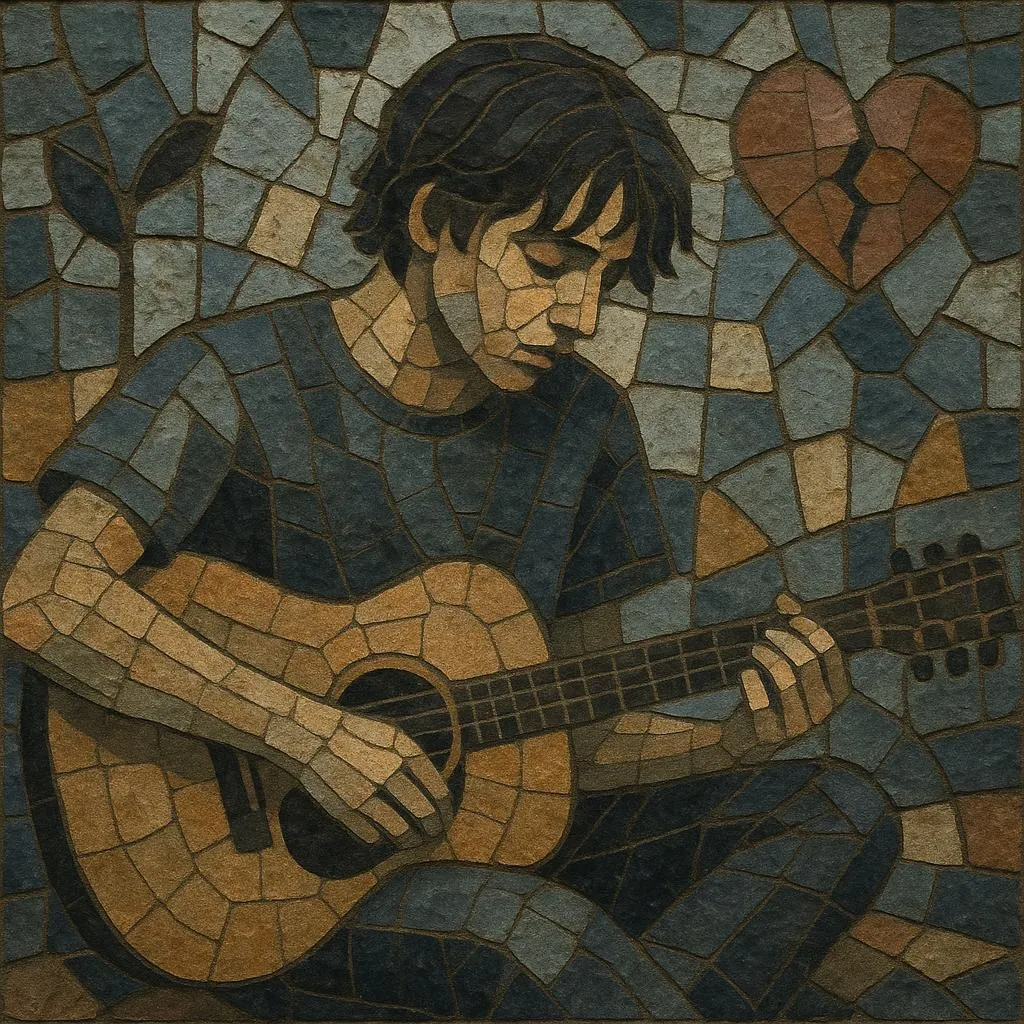
Indie emo is a branch of 1990s emo that foregrounds the DIY aesthetics, understated production, and melodic sensibilities of indie rock. It typically features clean, interlocking "twinkly" guitars, melodic bass lines, and confessional vocals delivered with a restrained, intimate tone rather than outright aggression.
Compared with pop‑punk‑leaning emo, indie emo is less slick and more homespun: live‑room drum sounds, small‑label releases, house‑show circuits, and zine culture shaped both its sound and community. Harmonically it often favors suspended, add9, and major‑7th extensions, giving songs a wistful, nostalgic hue, while rhythms toggle between swaying 6/8 or 3/4 meters and subtly syncopated 4/4.
The result is a reflective, emotionally candid style that bridges punk’s ethos to indie rock’s textures and songcraft.


History
Indie emo emerged in the United States as musicians from the indie and punk underground adapted the heartfelt lyricism of early emo to a gentler, melodic, and more introspective palette. College‑town circuits, basement shows, and small labels encouraged a sound that prized clean guitars, lyrical candor, and dynamic restraint over volume wars.
By the late 1990s, a common vocabulary had formed: arpeggiated “twinkly” guitar figures, mid‑tempo sway, and harmonic colors drawn from indie rock, slowcore, and math‑leaning guitar interplay. DIY recording and touring networks (house shows, community spaces) kept production modest and personal; album art, liner notes, and zines reinforced a community‑first ethos.
While mainstream emo trends shifted toward pop‑punk gloss in the early 2000s, the quieter indie emo lineage persisted in regional scenes and niche labels. From roughly 2008–2015, the so‑called “emo revival” explicitly referenced and revived 1990s indie emo’s guitar tones, confessional writing, and DIY infrastructure, inspiring a new wave of bands across North America, Europe, and Asia.
Indie emo’s blend of intimate storytelling, twinkly guitar counterpoint, and grassroots community building remains a touchstone for contemporary DIY and “5th‑wave” emo scenes, as well as for adjacent indie and math‑tinged guitar music around the world.






