Your digging level

For this genre
0/8
🏆
Sign in, then listen to this genre to level up

Description

Latincore is a Latin American take on metalcore and post‑hardcore that blends the genre’s breakdowns, double‑kick drive, and harsh/clean vocal interplay with Spanish (and sometimes Portuguese) lyrics, regional rhythmic accents, and a distinctly Latin sense of melodrama and catharsis.

Bands typically tune low (Drop C/D or lower), move between screamed verses and soaring, hook‑heavy choruses, and use gang vocals for communal energy. While the core toolkit is modern “core” (tight palm‑mutes, syncopated chugs, and halftime breakdowns), many acts weave in clave‑like syncopations, hand‑percussion flourishes, or harmonic colors borrowed from Latin rock and canción traditions. Lyrically, the style balances intimate, emo‑leaning confessionals with social commentary and scene‑building solidarity.


Sources: Spotify, Wikipedia, Discogs, RYM, MB, user feedback and other online sources

History

Origins (late 1990s–2000s)

Spanish‑language hardcore had firm roots in the 1990s through Latinx and Latin American circles, setting the stage for a heavier, more melodic hybrid in the 2000s. As metalcore and post‑hardcore globalized via DIY touring, MySpace, and regional festivals, Latin American scenes (notably Mexico, Argentina, Chile, Peru, Colombia, and Ecuador) began adapting the palette—screams, breakdowns, and big clean refrains—to local languages and aesthetics. The label “latincore” emerged informally to describe this Spanish‑forward, Latin‑scene‑centered strain of metal/post‑hardcore.

Consolidation and Regional Scenes (2010s)

Throughout the 2010s, independent labels, digital platforms, and cross‑border tours knitted together a pan‑Latin network. Scenes traded production knowledge, shared bills, and amplified one another’s releases. Bands embraced melodic hooks and emotive songwriting without losing the mosh‑floor intensity of hardcore. This period also saw increased studio polish—tight quantization, multi‑layered vocals, and modern guitar processing—while shows kept a grassroots energy.

Aesthetics and Themes

Latincore balances heaviness and heart: rhythmic breakdowns and gang‑chant catharsis meet vulnerable lyric writing about longing, friendship, mental health, and perseverance, often filtered through the lived realities of Latin American youth cultures. Occasional nods to Latin rhythms and harmonies give the style its regional fingerprint without turning it into a fusion pastiche.

Digital Era and Spillover (late 2010s–present)

Streaming and social media widened the audience and encouraged stylistic bleed. Latincore’s melodic angst and sonic punch influenced adjacent Spanish‑language scenes—from melodic hardcore and pop‑punk to the emergence of emo‑ and screamo‑coded rap/trap crossovers. Today, the tag functions as both a sound (melodic metal/post‑hardcore in Spanish) and a community identity that spans multiple countries.
How to make a track in this genre

Core Instrumentation
•   Two distorted electric guitars (one rhythm for chugs/breakdowns, one lead for melodic hooks and octave lines), electric bass, drum kit with double‑kick capability, and a vocalist able to alternate between screams and cleans. Optional: second vocalist for harmonies/gang shouts; auxiliary percussion for Latin accents.
Rhythm and Groove
•   Tempos often sit between 140–180 BPM. Verses can ride fast punk/hardcore beats; pre‑choruses and breakdowns drop to halftime for impact. •   Use syncopated, palm‑muted riffs; accent off‑beats (and occasionally hint at a 3–2 or 2–3 clave feel) to add Latin flavor without leaving 4/4. •   Design breakdowns with call‑and‑response hits, rests, and gang‑vocals to maximize live energy.
Harmony and Melody
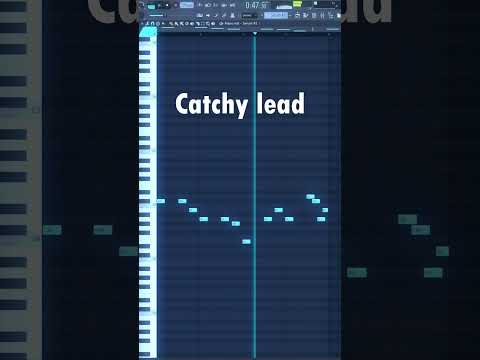
•   Minor keys with modal color (Aeolian/Dorian/Phrygian) suit the emotive tone; introduce borrowed chords (bVI, bVII) for lift into choruses. •   Lead guitars should craft memorable motifs and octave melodies that can double or counterpoint the vocal topline.
Vocals and Lyrics
•   Alternate harsh verses (fry or false‑cord screams) with soaring, tuneful choruses in Spanish or Portuguese. •   Write lyrics that balance personal struggle, friendship, and resilience with flashes of social conscience. Keep phrases chant‑able for live sing‑alongs.
Arrangement and Structure
•   Common map: Intro riff → Verse (screamed) → Pre‑chorus (tension) → Chorus (clean hook) → Verse → Chorus → Breakdown/bridge (gang shouts) → Final chorus (with higher key or added harmony) → Tag. •   Layer gang vocals on key lines and double important leads an octave up for climax sections.
Production Tips
•   Tighten guitars with precise editing and multitracking; use modern high‑gain amps/IRs and complementary rhythm tones (one darker, one brighter). •   Parallel compression on drums; emphasize kick/snare transients for punch. Widen choruses with double‑tracked cleans and stereo guitar layers. •   Leave space for low‑end clarity: sidechain rhythm guitars subtly to kick/bass in breakdowns.

Top tracks

Locked
Share your favorite track to unlock other users’ top tracks

Upcoming concerts

in this genre
Influenced by

Download our mobile app

Get the Melodigging app and start digging for new genres on the go
© 2026 Melodigging
Melodding was created as a tribute to Every Noise at Once, which inspired us to help curious minds keep digging into music's ever-evolving genres.
Buy me a coffee for Melodigging