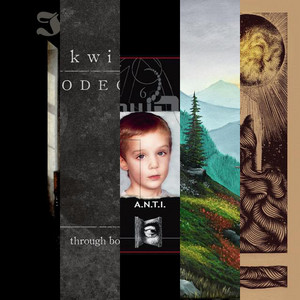
Your digging level

For this genre
0/8
🏆
Sign in, then listen to this genre to level up

Description

Chaotic black metal is an extreme, dissonance-forward branch of black metal defined by turbulent song forms, dense guitar clusters, and blast-beat intensity taken to labyrinthine, almost vertiginous extremes.

Where classic second‑wave black metal prioritized tremolo riffs and icy atmosphere, chaotic black metal intensifies the language through atonal chords (seconds, tritones, clustered intervals), sudden metric swerves, overlapping polyrhythms, and walls of noise-like texture. Vocals are typically rasped or shrieked and submerged in reverb, while drum parts veer from strafing blasts to fractured, off-kilter accents. The result is claustrophobic, hyper-detailed music that feels both ritualistic and abstract, often paired with esoteric, metaphysical, or apocalyptic themes.

Production tends toward deliberately abrasive, mid‑forward mixes that preserve granular guitar detail and cymbal wash, creating an immersive, disorienting soundfield rather than conventional clarity.


Sources: Spotify, Wikipedia, Discogs, RYM, MB, user feedback and other online sources

History

Origins (early–mid 2000s)

Chaotic black metal coalesced in the 2000s, particularly out of the francophone avant‑garde and post‑second‑wave scenes. Artists began to fuse the aesthetics of classic black metal with techniques borrowed from modernist composition and extreme metal’s most abrasive edges—favoring stacked dissonances, unstable meters, and ritualized, textural density over traditional riff/cadence logic.

Codification and expansion (late 2000s–2010s)

As the approach matured, bands leaned further into atonality and rhythmic complexity: guitar voicings built from seconds and tritones, octatonic/whole‑tone colors, through‑composed song designs, and drumming that mixed gravity‑blast ferocity with broken, asymmetric phrasing. The French scene’s philosophical/occult lyric focus helped define the genre’s intellectual and metaphysical framing.

From there the style spread internationally, intersecting with experimental/avant‑metal circles and influencing dissonant black metal currents across Northern and Western Europe, the United States, and Iceland.

Aesthetics and themes

Lyrically and visually, chaotic black metal gravitates toward metaphysics, non‑dualist or anti‑cosmic theologies, continental philosophy, and surreal or apocalyptic imagery. Sonically, it privileges immersion: mixes are intentionally pressure‑packed, with layered guitars and cymbal wash creating a sensation of overwhelming, ritualized chaos.

Relationship to adjacent styles

The genre sits at a crossroads of second‑wave black metal, avant‑garde metal, and blackened/death extremity. It both absorbs from and feeds into dissonant black metal and experimental black metal, while sharing textural kinship with noise and, rhythmically, with hyper-complex extreme metal traditions.

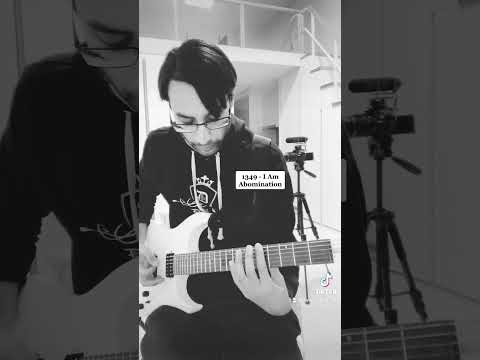
How to make a track in this genre

Tonal language and harmony
•   Favor dissonant, non-functional harmony: cluster chords built from minor seconds, tritones, and major sevenths; quartal/quintal stacks; set-class colors (e.g., 0–1–6). •   Use octatonic and whole‑tone scales for unstable motion; avoid cadential release—let phrases end in suspension. •   Layer two or three independent guitar lines in contrary motion to create friction and spectral density.
Riff writing and texture
•   Combine classic tremolo picking with angular, syncopated figures and wide interval leaps. •   Interleave sustained chordal drones against fast tremolo filigree to form a shifting wall of sound. •   Employ register stratification (one guitar low and murky, another high and biting) so dissonances speak clearly.
Rhythm and form
•   Drums: alternate orthodox/two‑hand blasts, gravity blasts, and broken blast passages with frequent metric feints; insert sudden rests to heighten instability. •   Explore polyrhythms (e.g., 5:4, 7:8) and metric modulation; let meters pivot without telegraphing (e.g., 4/4 → 5/4 → 7/8) while maintaining forward momentum. •   Prefer through‑composed or mosaic forms over verse/chorus; use recurring cells as waypoints rather than full refrains.
Vocals, lyrics, and production
•   Vocals: rasped/shrieked timbres, often drenched in reverb or set mid‑field in the mix; performance should feel incantatory rather than narrative. •   Thematics: metaphysical, theological, esoteric, or philosophical texts; dense imagery over literal storytelling. •   Production: prioritize midrange detail; allow cymbal/wash to glue layers; avoid over‑editing—slight roughness reinforces the ritual aura. Consider parallel saturation on guitar buses and conservative multiband control to keep density coherent.
Practical workflow tips
•   Sketch harmonic cells (2–4 bars) of clustered intervals, then permute them rhythmically and registrally to build long forms. •   Rehearse transitions as standalone cues; the drama of a chaotic form depends on confident pivots. •   Use a click with alternating subdivisions to practice polymetric overlays; have drums and guitars trade which layer “leads” the pulse. •   Reserve dynamic headroom: let quieter, brittle passages precede maximal peaks so the final onrush feels overwhelming.

Top tracks

Locked
Share your favorite track to unlock other users’ top tracks

Upcoming concerts

in this genre
Influenced by
Has influenced

Download our mobile app

Get the Melodigging app and start digging for new genres on the go
© 2026 Melodigging
Melodding was created as a tribute to Every Noise at Once, which inspired us to help curious minds keep digging into music's ever-evolving genres.
Buy me a coffee for Melodigging