Your digging level for this genre

0/8
🏆
Sign in, then listen to this genre to level up

Description

Black 'n' roll is a hybrid of second-wave black metal aesthetics and the swagger, groove, and hooks of classic rock and roll and hard rock.

It keeps black metal’s rasped vocals, minor-key riffing, and grim atmosphere, but replaces relentless blast beats with mid-tempo 4/4 stomps, d-beat and punk-derived grooves, and blues-tinged, pentatonic-leaning guitar licks. Songs are more verse–chorus oriented, riffs are simpler and more driving, and production often favors a raw, overdriven, garage-like bite rather than cavernous ambience.

Lyrically and visually it blends misanthropy, occult and nocturnal themes with biker/bar-room attitude and sleaze, yielding a sound that feels both menacing and fist-pumping.
History

Precedents (1980s–1990s)

Early black metal progenitors such as Venom and Bathory drew heavily on the drive of classic rock and roll and Motörhead-style speed metal, planting the seeds for a more rocking strain of extremity. Through the 1990s, Scandinavian second-wave black metal codified the genre’s sound, while some bands occasionally flirted with punk rhythms and rock riffs without fully departing from traditional black metal structures.

Codification (mid-2000s)

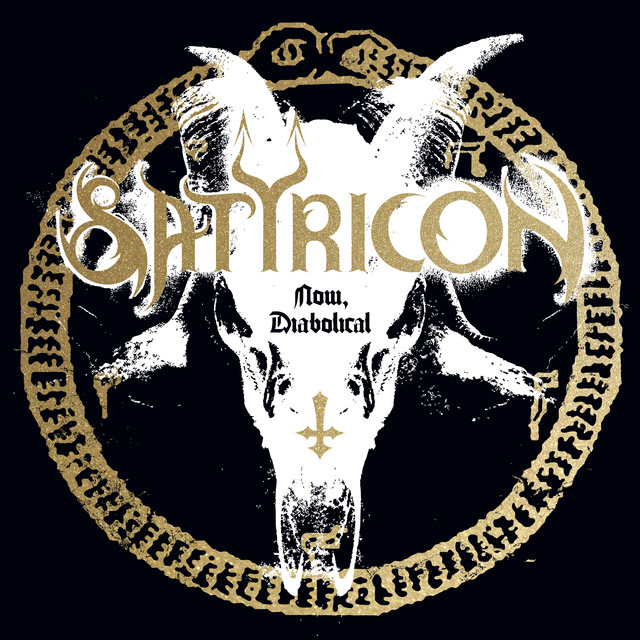
The label “black ’n’ roll” gained traction in the mid-2000s as several Norwegian bands steered black metal’s attitude toward hook-forward, groove-based songwriting. Darkthrone’s pivot on albums like The Cult Is Alive (2006) and F.O.A.D. (2007) embraced crust-punk propulsion and rock and roll riffing under a blackened veneer. Satyricon’s streamlined, riff-centric era (e.g., Now, Diabolical, 2006) and the formation of groups such as Khold and Vreid further clarified the template: harsh vocals and sinister tonality delivered with swinging beats, chunky riffs, and memorable choruses.

Visibility and Spread (2010s–present)

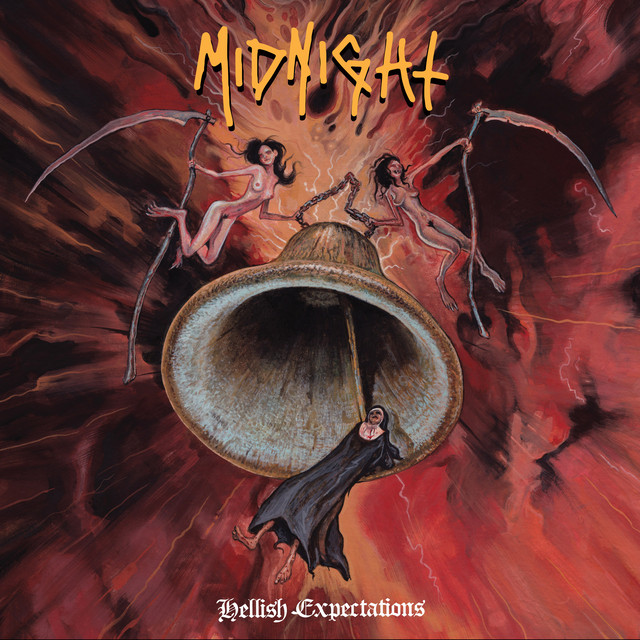
Kvelertak’s self-titled 2010 debut pushed black ’n’ roll into broader rock and metal consciousness by fusing blackened vocals with exuberant classic-rock guitar work and punk energy. Concurrently, U.S. acts like Midnight and various Scandinavian projects kept the sound raw and underground, emphasizing leather-and-spikes aesthetics and high-energy live shows. Today, black ’n’ roll remains a cult-favorite flavor within extreme metal, prized for injecting immediacy and swagger into black metal’s darkness without abandoning its abrasive edge.


How to make a track in this genre

Core instrumentation and tone
•   Guitars: Use overdriven, raw, mid-forward tones (less scooped than typical extreme metal). Favor crunchy, garage-like textures over polished high-gain walls. •   Bass: Slightly overdriven, locked tightly to drums, reinforcing the root movement and the main riff’s pulse. •   Drums: Center on 4/4 rock beats and d-beat/punk grooves; deploy occasional double-time and sparse blast flourishes for climactic moments rather than as a constant. •   Vocals: Rasped or harsh black-metal style delivering short, punchy phrases that sit rhythmically inside the groove.
Rhythm and riff-writing
•   Build songs on mid-tempo stomps (90–140 BPM), with a strong backbeat and swing when appropriate. •   Write riffs from power chords and blues-leaning pentatonic figures spiked with minor-mode chromaticism. Mix palm-muted chugs, open-string pedal tones, and rock-and-roll turnarounds. •   Keep motifs memorable: repeatable hooks and call-and-response between rhythm guitar and vocal lines.
Harmony and structure
•   Favor natural minor, Aeolian/Phrygian colors, and occasional tritone bites. Keep changes relatively simple (I–bVI–bVII or I–IV–V variants) but voice them with black-metal dissonances and drone tones. •   Use concise verse–chorus structures with instrumental breaks or brief tremolo-picked passages to reintroduce blackened tension.
Lyrics and aesthetics
•   Themes: nocturnal revelry, misanthropy, the occult, urban decay, and biker/bar-room imagery. Keep lyrics terse, image-driven, and chantable. •   Presentation: leather-and-spikes attitude, high-energy stagecraft, and a raw, live-sounding production ethos.
Production tips
•   Track live or live-like where possible; resist over-quantization. •   Prioritize punch and midrange clarity so riffs and the backbeat cut through; allow grit and tape-style saturation to preserve the genre’s feral character.

Top tracks

Locked
Share your favorite track to unlock other users’ top tracks
Influenced by
Has influenced
No genres found
Challenges
Digger Battle
Let's see who can find the best track in this genre
© 2025 Melodigging
Melodding was created as a tribute to Every Noise at Once, which inspired us to help curious minds keep digging into music's ever-evolving genres.
Buy me a coffee for Melodigging