Your digging level for this genre

0/8
🏆
Sign in, then listen to this genre to level up

Description

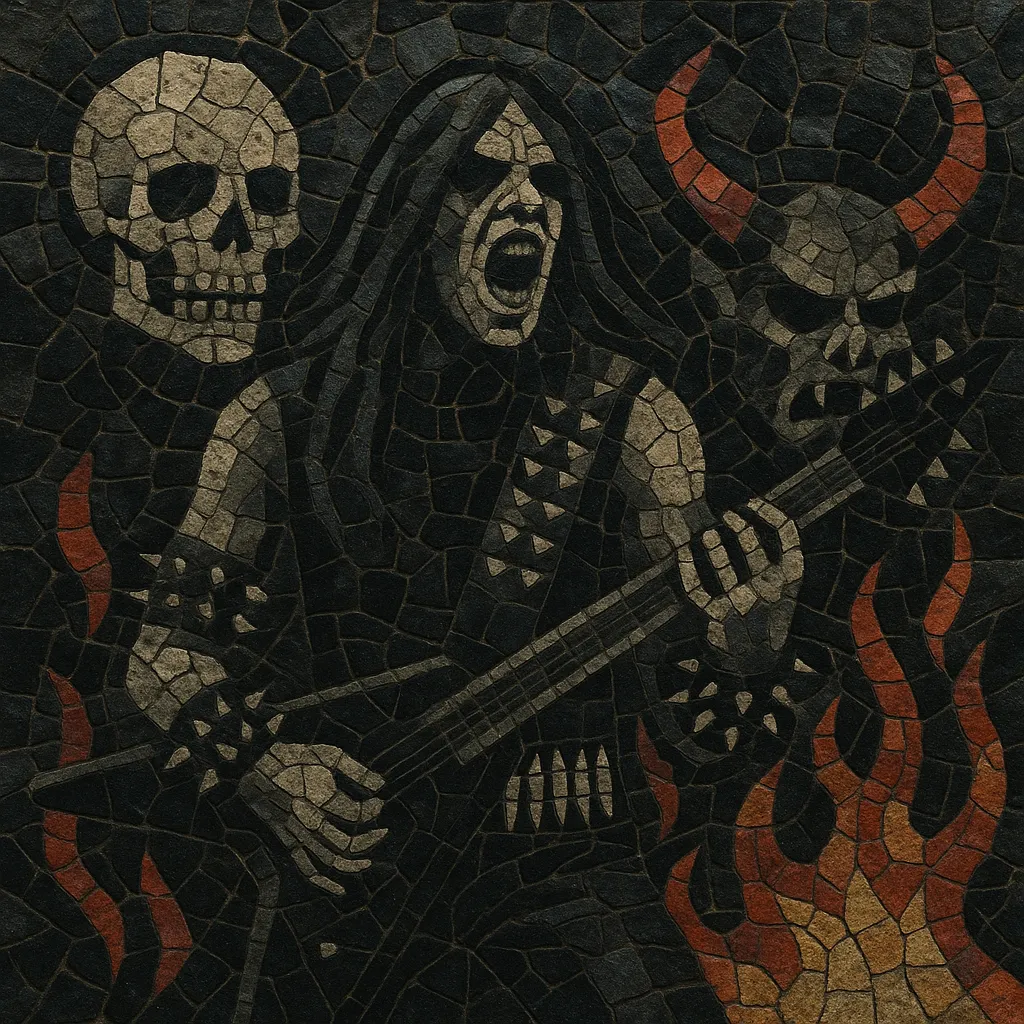
Black speed metal is a high‑octane fusion of first‑wave black metal’s occult rasp and atmosphere with the streamlined, galloping riffcraft of speed and early thrash. It favors treble‑forward, raw guitar tones; punk‑charged skank beats and d‑beats at brisk tempos; and venomous, reverb‑smeared vocals.

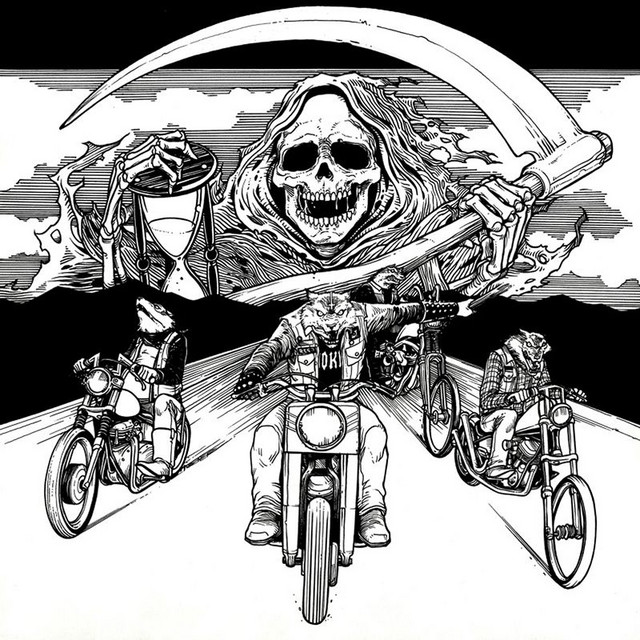
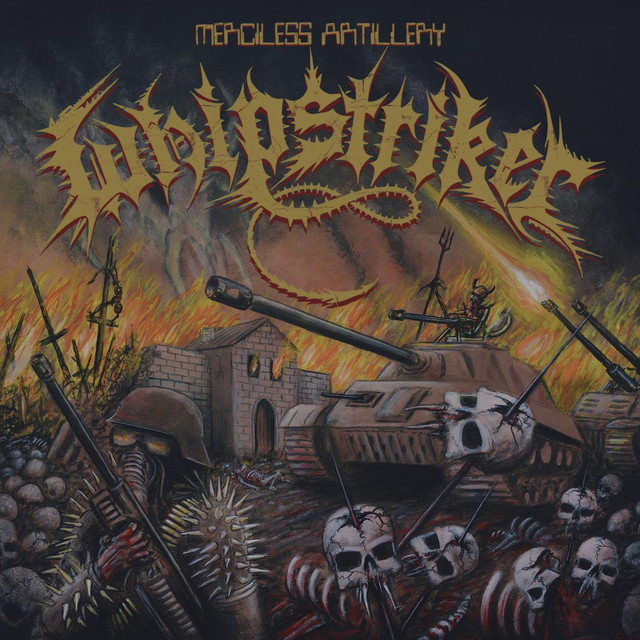
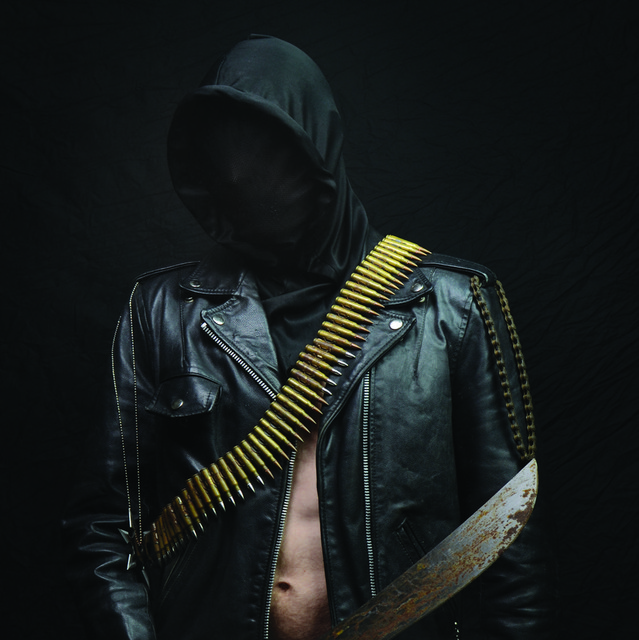
The style emphasizes short, hooky songs; Motörhead‑style drive; and satanic, blasphemous, or hellrider lyrics delivered with a feral edge. Production is intentionally rough‑and‑ready to preserve energy and danger, evoking the leather, spikes, and chains aesthetic that defines the genre’s attitude.

History

Origins (early–mid 1980s)

Black speed metal emerged from the collision of first‑wave black metal and the fast, rudimentary aggression of speed/thrash and punk. Venom (UK) laid the aesthetic and thematic blueprint with Black Metal (1982), while Bathory (Sweden) weaponized raw timbre and infernal atmosphere. Parallel currents included early Sodom and Destruction (Germany) and the rawest ends of NWOBHM, tying rock‑and‑roll drive to proto‑extreme metal.

Consolidation (late 1980s–1990s)

Through the late 1980s and 1990s, bands sharpened this “black/speed” edge: Sabbat (Japan) pushed a savage, occult speed; Aura Noir (Norway) and Nifelheim (Sweden) codified a razor‑riffed, punk‑bitten attack that sat between black metal’s darkness and thrash’s velocity. The second wave of black metal absorbed many of these traits—raw production, trebly guitars, and relentless tempos—even when bands identified primarily as black metal.

Revival and global spread (2000s–2010s)

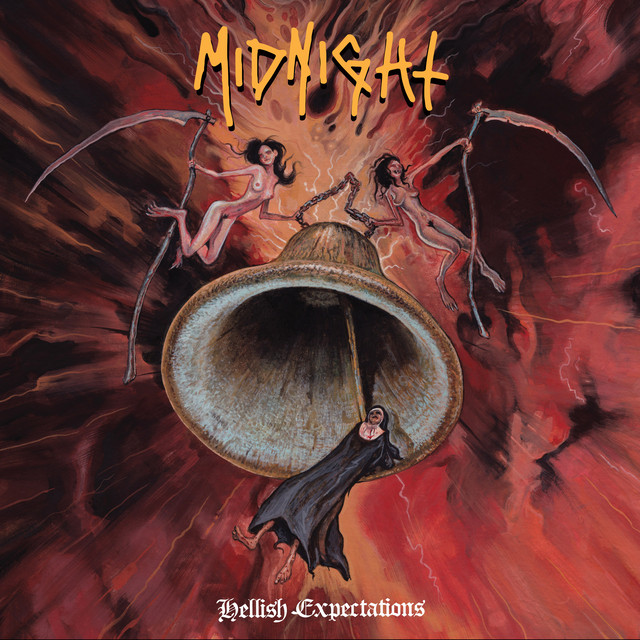
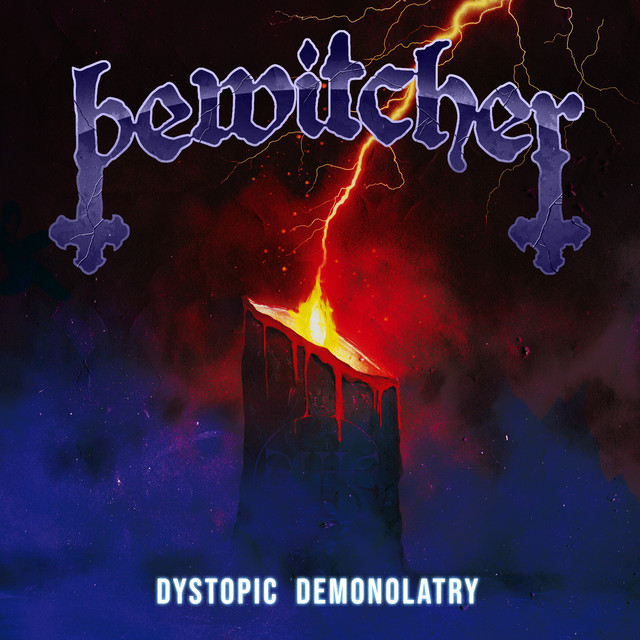
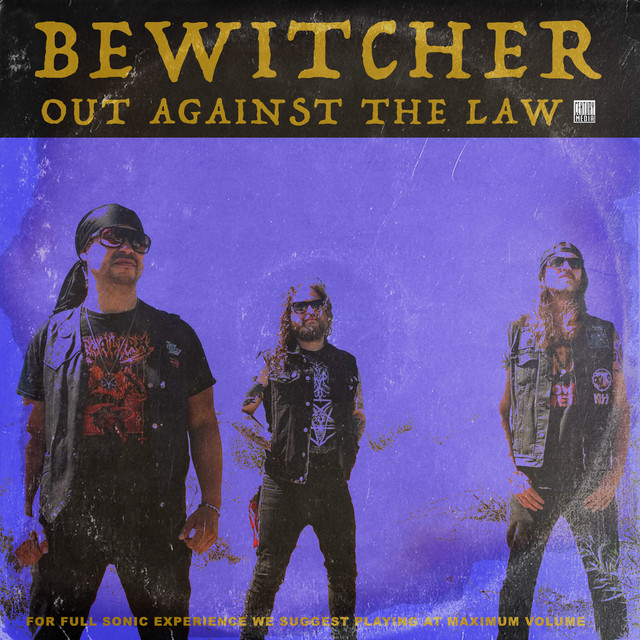
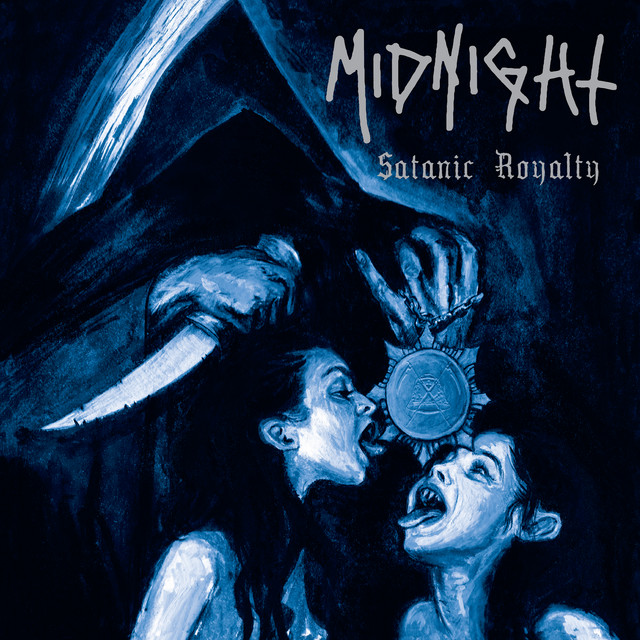
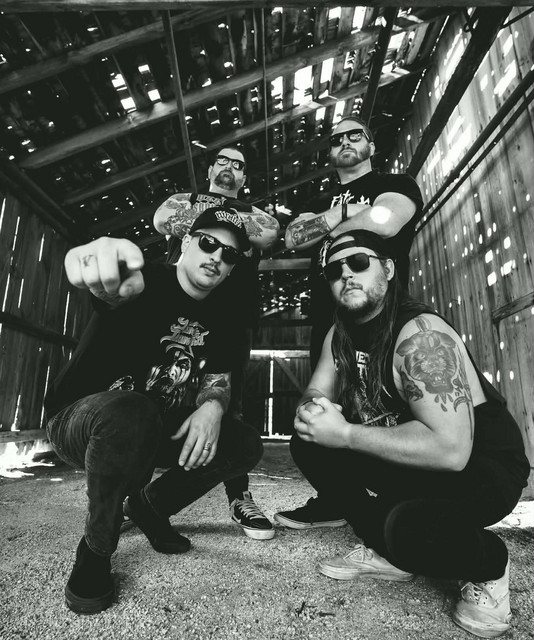
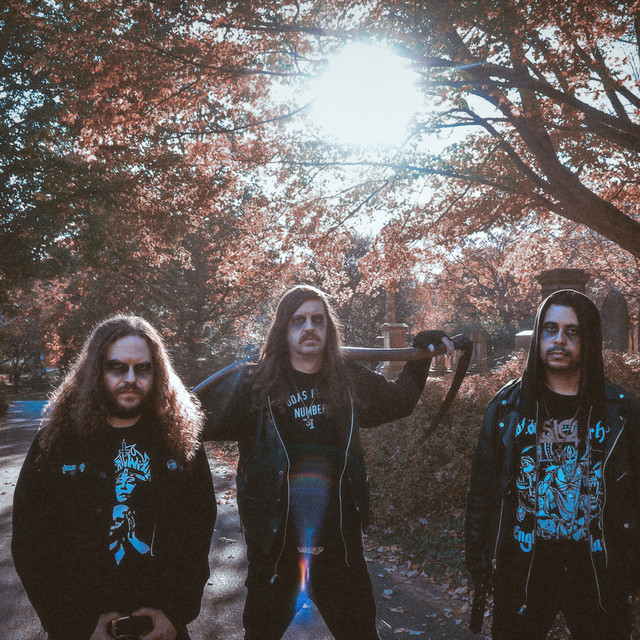
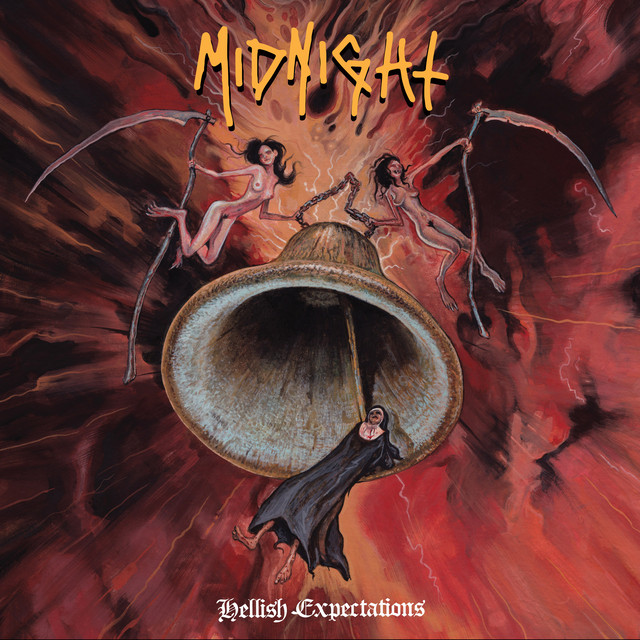
A loud revival brought new standard‑bearers who leaned into old‑school speed, punk swagger, and blackened bite. Toxic Holocaust and Deströyer 666 bridged black/thrash and black/speed, while Midnight (US), Hellripper (UK), and Bewitcher (US) delivered hook‑packed, leather‑clad anthems. DIY labels, tape trading culture gone digital, and festivals nurtured scenes from the US and UK to Scandinavia, Germany, Japan, and Latin America.

Today

Modern black speed metal remains fiercely underground yet widely international. It thrives on raw energy, concise songwriting, and a live show ethos that prioritizes sweat and danger over technical excess—keeping the original spirit of speed, punk, and the first wave of black metal alive.

How to make a track in this genre

Core instrumentation and tone
•   Guitars: High‑gain but treble‑forward, raw distortion; think biting mids, minimal polish. Use tight palm‑muted speed riffs, open‑string pedals, and occasional tremolo for blackened atmosphere. •   Bass: Plectrum, slightly overdriven, closely doubles guitar riffs to reinforce attack. •   Drums: Skank beats, d‑beats, rapid two‑and‑four backbeats, and occasional blasts; tempos commonly 180–230 BPM. Keep fills punchy and to the point.
Riffing, harmony, and structure
•   Riffs: Mix speed‑metal gallops with punk urgency; use chromatic runs, tritone punches, and hooky turnaround licks. •   Harmony: Favor Aeolian and Phrygian colors; sprinkle harmonic minor or diminished shapes for an infernal edge. •   Song forms: Concise verse/chorus with one ripping middle‑eight or solo; keep most tracks 2–4 minutes to preserve intensity.
Vocals and lyrics
•   Vocals: Raspy, feral, reverb‑smeared shouts or snarls—intelligible enough to land hooks. •   Themes: Satanic/occult imagery, blasphemy, speed worship (motors, leather, nocturnal excess), and apocalyptic revelry. Keep lines punchy and chant‑ready.
Production and aesthetics
•   Production: Raw and immediate—miked cabs, minimal editing, tape or analog‑style saturation, roomy or spring‑like reverb on vocals. •   Aesthetic: Leather, spikes, and stark monochrome visuals; typefaces and artwork that nod to first‑wave black and speed metal.
Practice tips
•   Write riffs that work at rehearsal volume first; if it sounds dangerous live, it will record well. •   Prioritize feel over perfection: tight pocket, relentless downpicking, and a driving bass/drum lock are more important than complexity.

Top tracks

Locked
Share your favorite track to unlock other users’ top tracks
Influenced by
Has influenced
Challenges
Digger Battle
Let's see who can find the best track in this genre
© 2025 Melodigging
Melodding was created as a tribute to Every Noise at Once, which inspired us to help curious minds keep digging into music's ever-evolving genres.
Buy me a coffee for Melodigging