Your digging level
Description
The new wave of speed metal is a 2010s revivalist movement that resurrects the breakneck tempos, razor‑edged riffing, and high‑energy songwriting of classic 1980s speed metal. It favors twin‑guitar harmonies, athletic rhythm sections, and soaring, clean vocals that deliver anthemic hooks.
Unlike the harsher edge of thrash, this wave leans into melodicism and precision: galloping rhythms, tightly palm‑muted alternate‑picked riffs, and flamboyant guitar solos. Production tends to be crisp but analog‑minded, evoking vintage warmth while meeting modern loudness and clarity.

History
Speed metal first emerged in the early-to-mid 1980s, bridging the gap between the melodic drive of NWOBHM and the extremity that would become thrash metal. In the late 2000s and early 2010s, a new generation of bands—often inspired by tape-trading lore, classic vinyl reissues, and forum/blog culture—began pushing a faithful yet modernized return to that style.
Bands from Sweden, Canada, Germany, Belgium, and Finland led the charge, foregrounding speed, melody, and virtuosic guitar work while rejecting overly polished digital aesthetics.
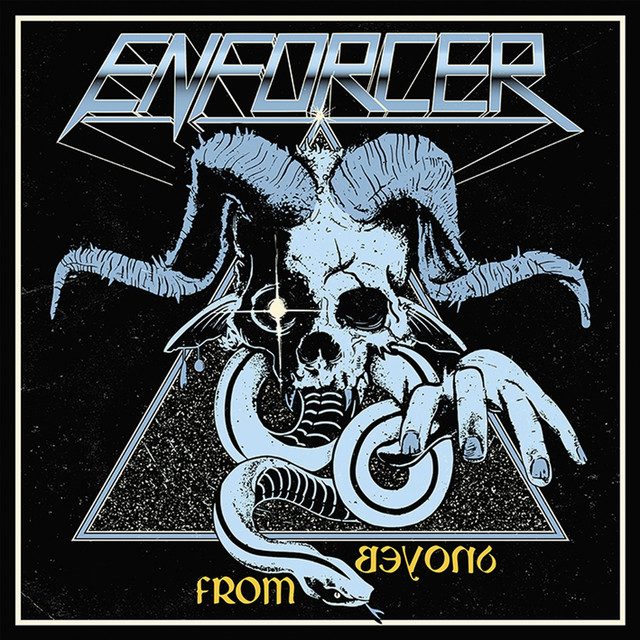
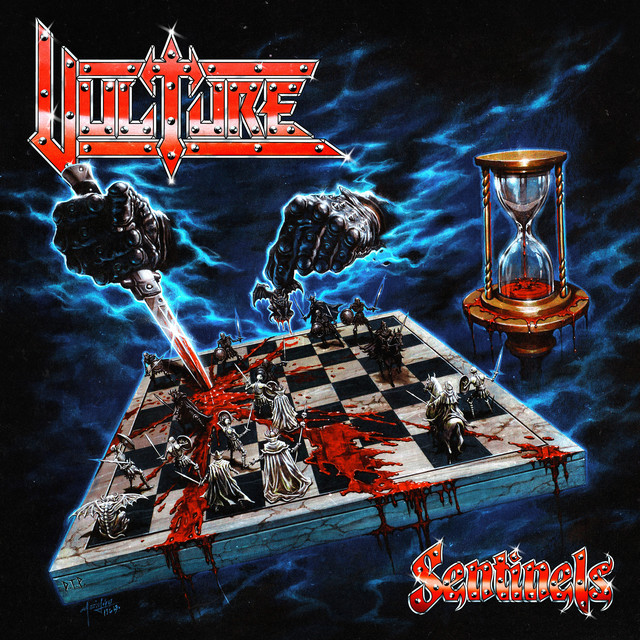
The movement solidified in the 2010s through independent labels, Bandcamp-era discovery, and a revitalized festival circuit. Groups like Enforcer, Skull Fist, Evil Invaders, and Ranger drew global attention with relentless tempos, twin-guitar harmonies, and high-register vocals. Parallel scenes in Germany (e.g., Vulture, Stallion) and North America (e.g., Striker, White Wizzard, Night Demon) helped codify shared traits: classic songwriting forms, brisk BPMs, and live-first energy.
Throughout the late 2010s and into the 2020s, the wave remained international and DIY-friendly, thriving on boutique labels, cassette runs, and heavy touring. While the sound is retro-informed, it embraces modern production clarity and tighter musicianship, appealing both to classic metal devotees and new listeners discovering speed metal through streaming platforms.
Today’s new wave of speed metal sits alongside other traditional metal revivals, often sharing bills and audiences. It has helped stabilize a sustainable underground economy for classic-styled heavy music, with bands frequently releasing short, hook-focused albums and EPs that translate directly to explosive live sets.