Your digging level
Description
Black thrash (often called blackened thrash) fuses the speed, palm‑muted riffing, and precision of thrash metal with the raw timbre, tremolo picking, and satanic/occult aesthetics of first‑wave black metal.
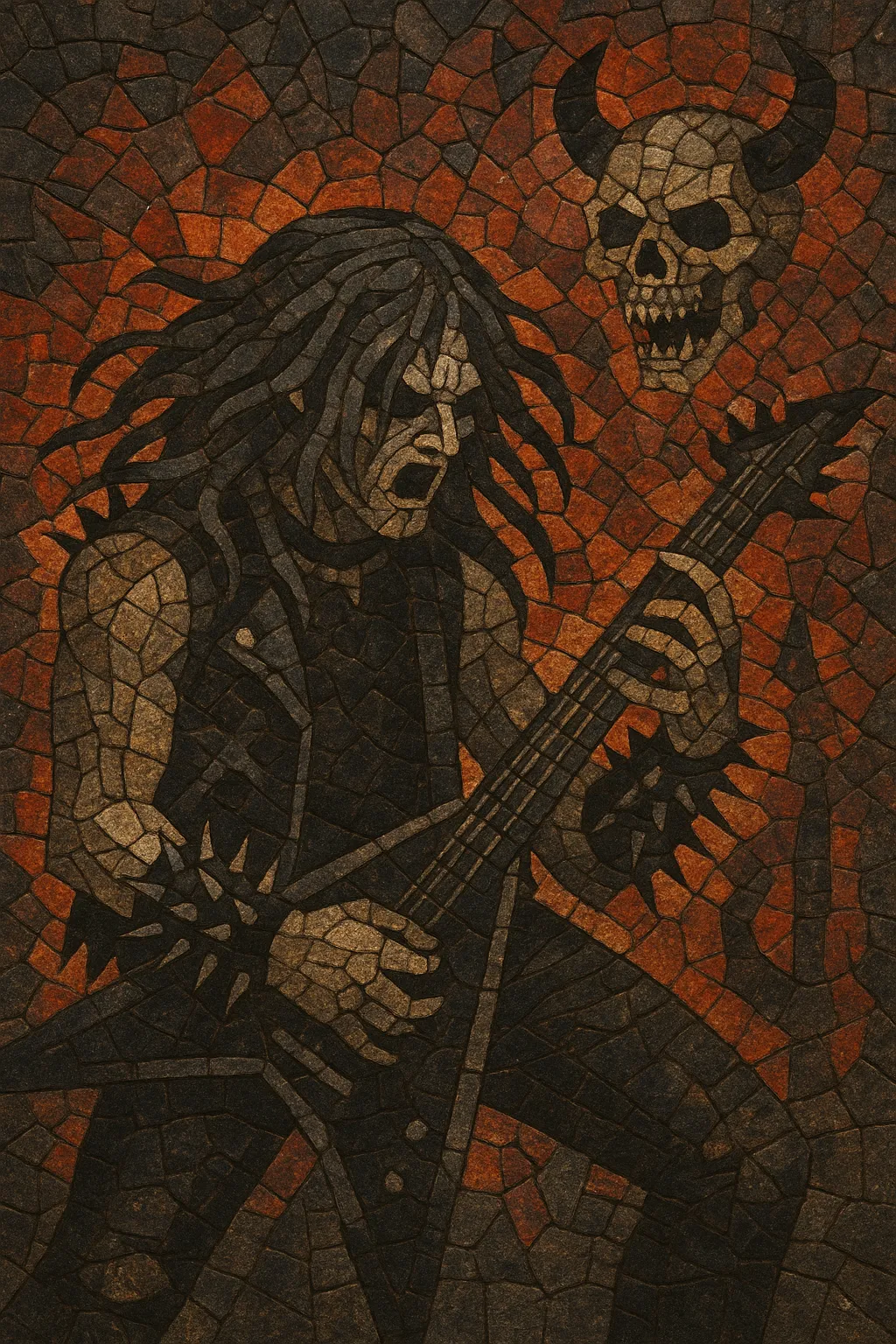
Sonically, it emphasizes cutting high‑gain guitars, relentless skank and d‑beats alternating with blasts, and rasped or barked vocals. Production tends toward a raw, live feel rather than glossy polish, keeping cymbals sizzling and guitars serrated. Lyrically and visually it leans into blasphemy, warfare, apocalypse, and leather‑and‑spikes iconography.
The result is a feral, high‑velocity style that feels both old‑school and extreme: riff‑centric like thrash, but grim and caustic like black metal.


History
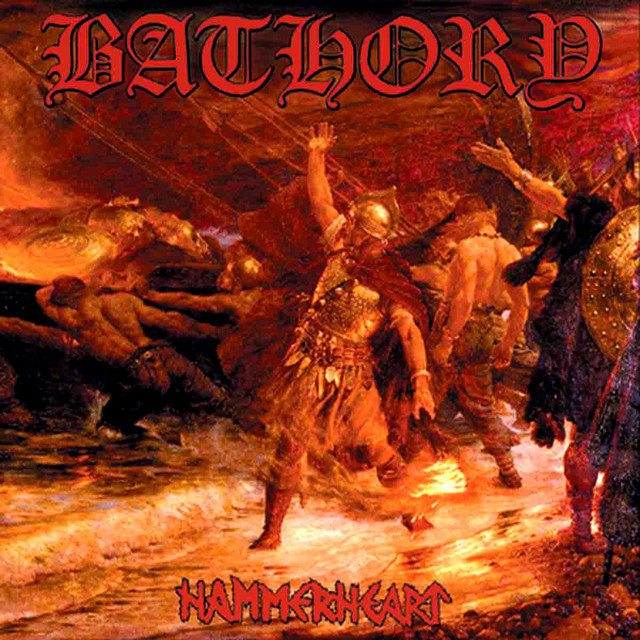
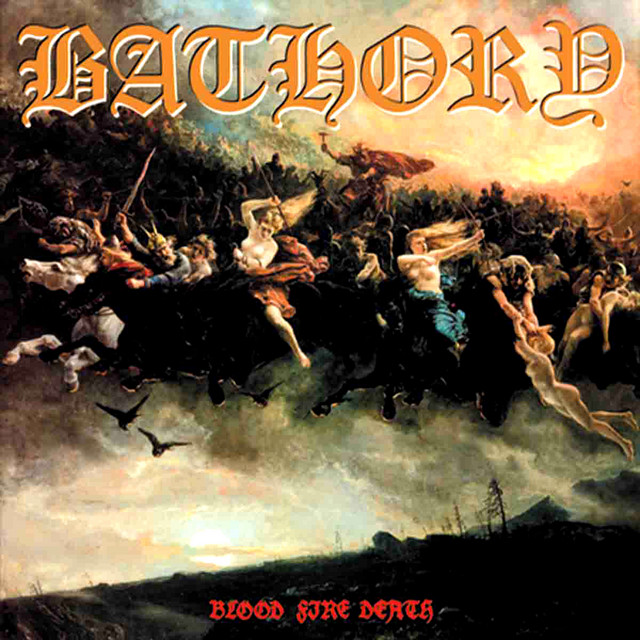
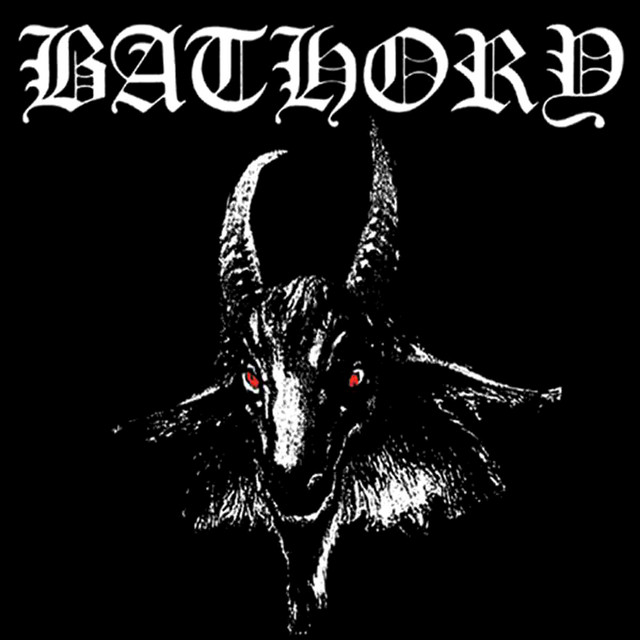
Black thrash emerged as thrash metal’s ferocity intersected with the grim atmosphere of first‑wave black metal. Early German "Teutonic" thrash (Sodom, Destruction, early Kreator) and the influence of Venom and Bathory laid the blueprint: speed‑driven riff craft, harsh vocals, and an openly blasphemous, war‑torn aesthetic.
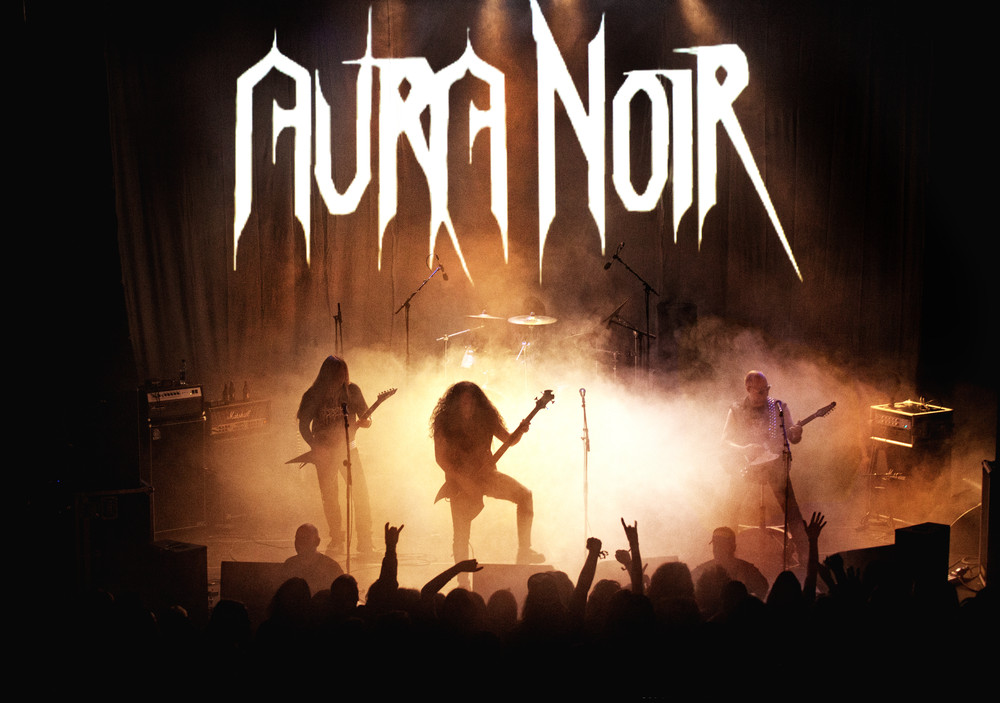
After the late‑’80s peak of thrash, a handful of bands crystallized the black‑thrash identity. Norway’s Aura Noir (formed 1993–95) codified the style’s raw, riff‑first ethos. In parallel, the U.S. (Absu), Germany (Desaster), and Australia (Destroyer 666) pushed the hybrid forward, keeping tempos vicious while doubling down on tremolo‑picked motifs and primitive, evil atmospheres.
A large revival wave erupted in the 2000s with acts like Toxic Holocaust, Midnight, Witchery, and Nocturnal, alongside scenes in Latin America and Eastern Europe. DIY recording, tape trading, and later digital platforms amplified the style’s raw aesthetics, while festivals and underground labels curated cohesive black‑thrash rosters.
The genre remains vigorous and internationally distributed, with new bands embracing vintage analog tones and classic riffing while incorporating tighter drumming and modern live production. Black thrash continues to function as a bridge between old‑school extremity and contemporary underground metal culture.
Use two high‑gain electric guitars, bass, and a fast drummer. Favor sharp, cutting tones: moderately high treble, assertive mids (to let riffs bite), and controlled low end. Standard or D‑standard tuning keeps riffs tight. Avoid over‑compression; let the mix breathe and feel raw.
Blend thrash palm‑muted gallops with black‑metal tremolo lines. Minor scales (natural minor/Aeolian), Phrygian, and chromatic runs are common; tritone accents and open‑string pedal tones add menace. Write memorable, hooky riffs that can loop with slight variations.
Target 180–230 BPM for skank beats and d‑beats, with occasional blast‑beat spikes for emphasis. Alternate between thrash beats (snare on 2/4 with driving eighths) and proto‑black/d‑beat sections to create propulsion. Quick halftime drops can set up riff changes and gang‑shout payoffs.
Deliver rasped, barked, or venomous shouts—articulate enough to punch through the guitars. Themes typically include blasphemy, occult warfare, apocalypse, and anti‑authoritarian ire. Keep choruses short, chantable, and riff‑locked.
Aim for 3–5 minutes: intro riff, verse riff, a hook/chorus, a contrasting tremolo section, and a concise solo or dual‑guitar break. Prioritize momentum; transitions should feel like a blade switch rather than a fade. Layer gang vocals sparingly for anthemic impact.
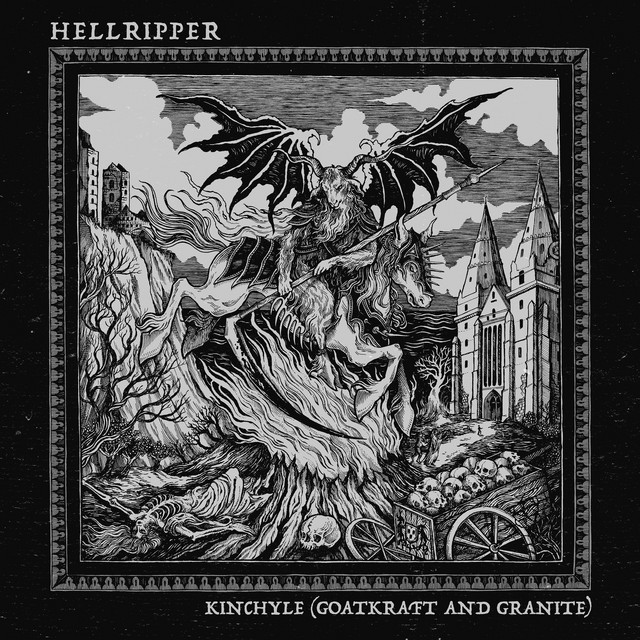
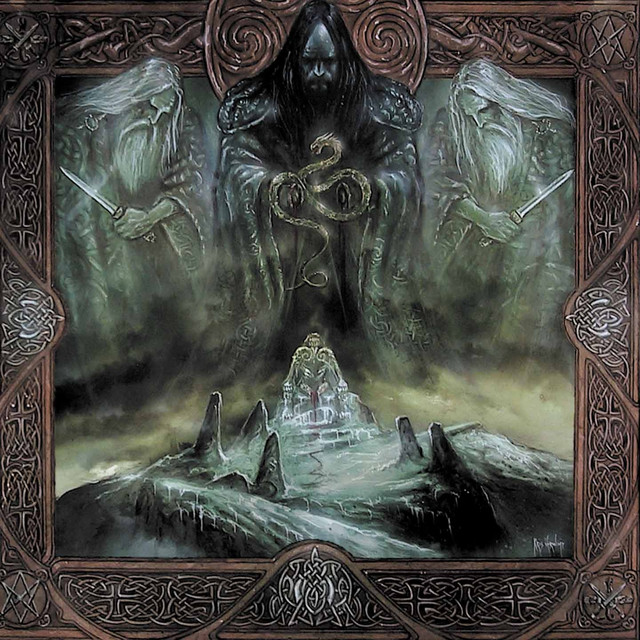
Track live or live‑like to retain grit. Use roomy overheads, natural cymbal wash, and minimal editing. Artwork and visuals: monochrome/limited color palettes, spikes, bullets, and archaic/occult imagery to reinforce the style’s lineage.