Your digging level

For this genre
0/8
🏆
Sign in, then listen to this genre to level up

Description

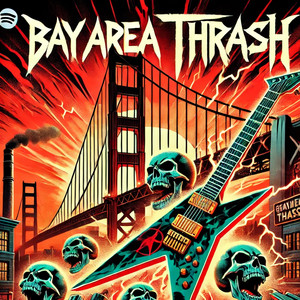
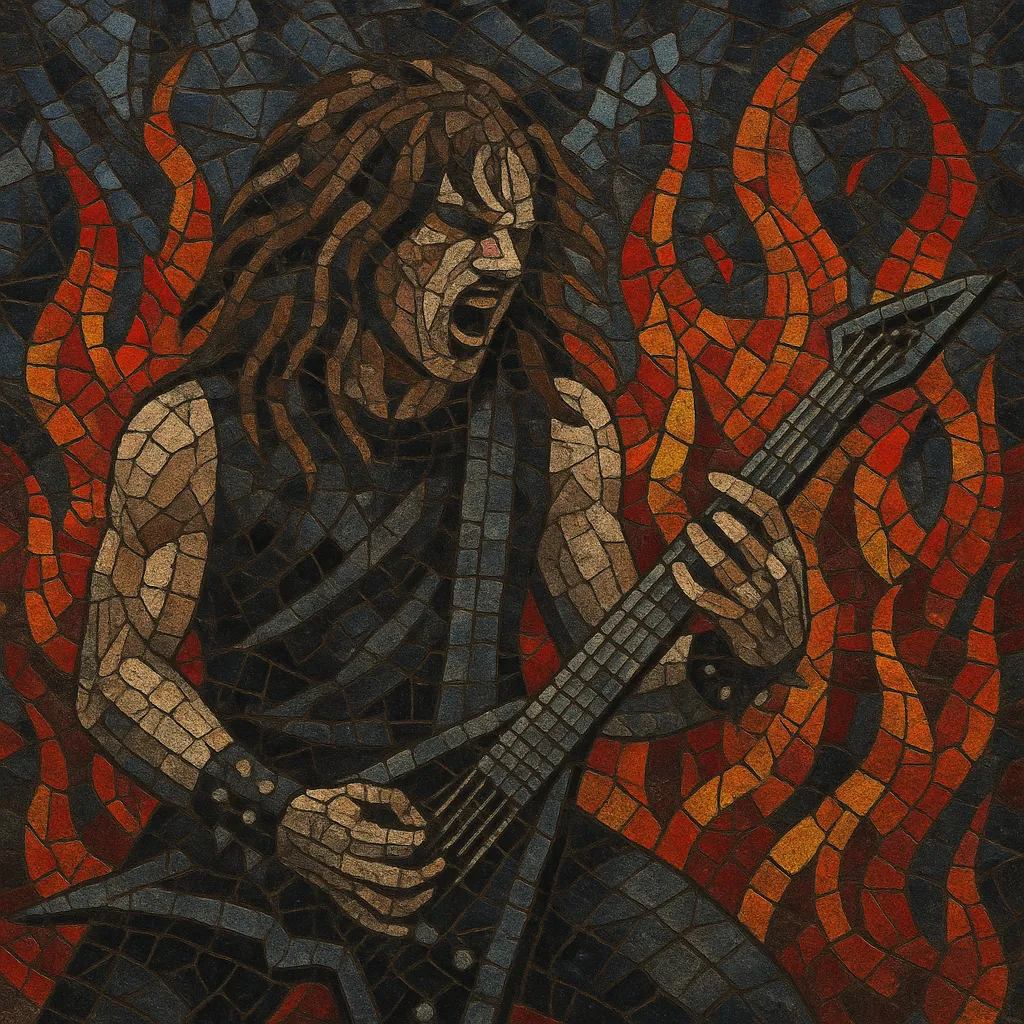
Bay Area thrash metal is a fast, aggressive, and technically proficient strain of thrash metal that emerged from the San Francisco Bay Area in the early to mid-1980s.

It is characterized by tightly downpicked, palm‑muted riffs; rapid tempo shifts; skank‑beat and double‑kick drum patterns; and barked yet sometimes melodic vocals. Songs often string together multiple distinct riffs, feature extended guitar solos with alternate picking, legato, and tapping, and emphasize precision and ensemble tightness.

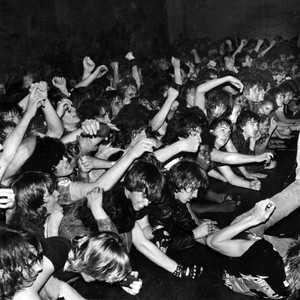
Lyrically, the style leans toward social and political critique, anti‑authoritarian themes, street‑level realism, and occasionally apocalyptic or horror imagery. The scene’s identity was built through an intense live circuit (notably venues like Ruthie’s Inn), tape‑trading networks, college radio, and fanzines, fostering a community that prized musicianship, speed, and crowd‑igniting mosh parts.


Sources: Spotify, Wikipedia, Discogs, Rate Your Music, MusicBrainz, and other online sources

History

Origins (early 1980s)

The Bay Area scene coalesced when young bands fused the speed and melody of the New Wave of British Heavy Metal with the raw energy of American hardcore punk. Tape‑trading, college radio, and fanzines (notably of the local Metal Mania circle) spread early demos and sharpened a shared aesthetic focused on speed, tightness, and riff craft.

Golden era (mid–late 1980s)

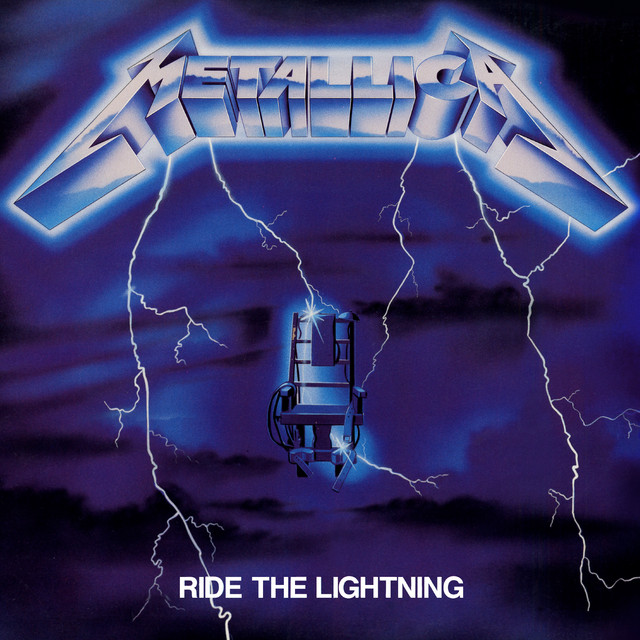
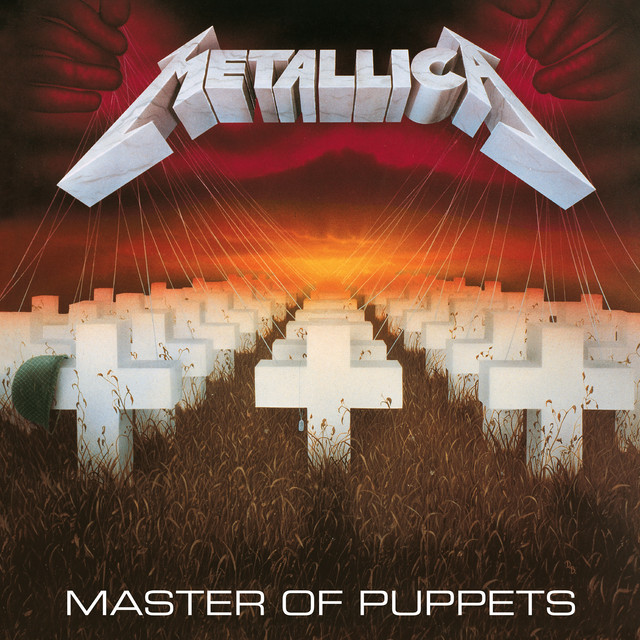
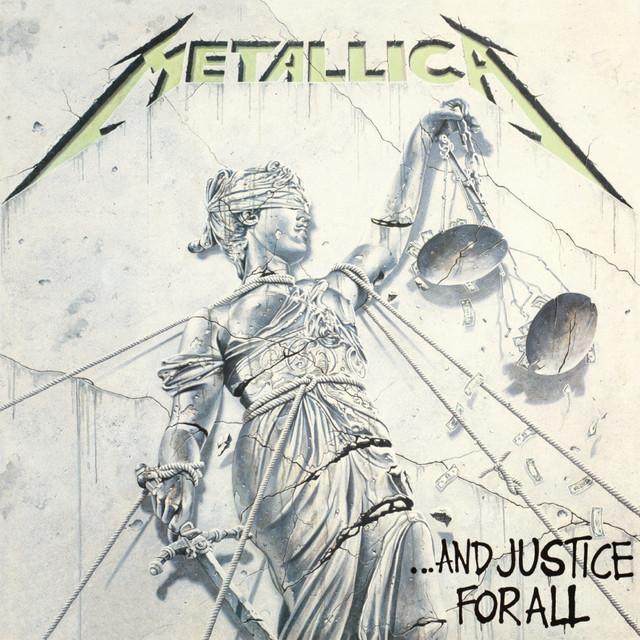
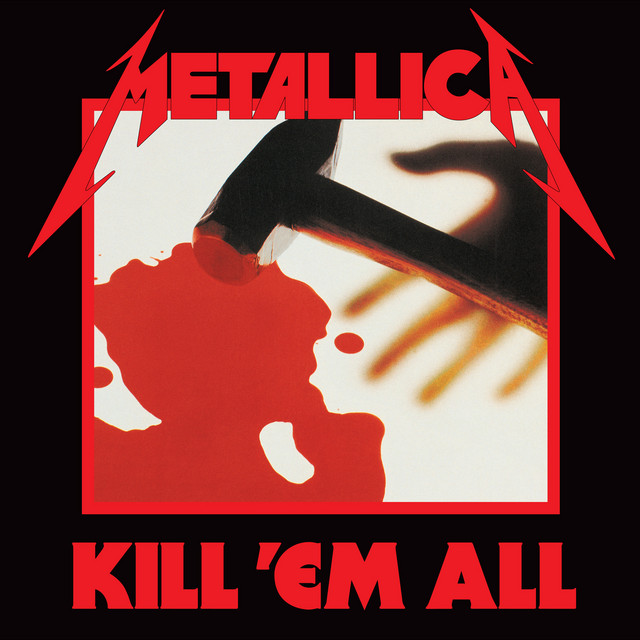
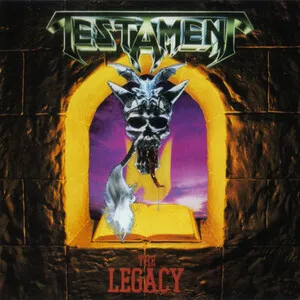
Bands such as Metallica, Exodus, and Testament defined the sound with landmark releases and relentless touring, while a second wave—Death Angel, Forbidden, Heathen, Lääz Rockit, Vio‑Lence, Possessed, Blind Illusion, and others—expanded technicality, aggression, and thematic breadth. Local venues like Ruthie’s Inn and The Stone acted as hubs where precision playing and audience intensity set the standard.

Transition and challenges (1990s)

The rise of alternative and groove‑oriented metal, label shifts, and changing market tastes reduced mainstream visibility. Some bands disbanded or evolved their sound; others leaned into more progressive or groove‑leaning approaches. Nonetheless, the core influence of Bay Area thrash continued to echo in death metal, groove metal, and later metalcore.

Revival and legacy (2000s–present)

Reissues, reunions, new albums, and a steady influx of younger bands revived interest. The Bay Area template—razor‑tight downpicking, skank beats, socio‑political bite, and disciplined songwriting—remains a global benchmark for thrash craftsmanship and a foundational influence on multiple extreme metal subgenres.

How to make a track in this genre

Instrumentation and tuning
•   Two electric guitars (often in E standard or E♭; some use D standard) with high‑gain but tight, articulate tones (e.g., Mark‑style or JCM‑style amps), a punchy electric bass (often picked), and a hard‑hitting drum kit with double kick. •   Aim for precise downpicking and palm‑muting to keep fast riffs clear and percussive.
Rhythm and tempo
•   Typical tempos range from 160–230 BPM. Alternate between skank beats (fast 2/4 with a driving backbeat) and double‑kick passages. •   Use gallops (e.g., 8th‑note + two 16ths), tremolo‑picked pedal‑point riffs, sudden metric accents, and occasional halftime mosh parts for contrast.
Harmony and riff writing
•   Favor minor keys (E/G/A minor are common), blues‑tinged chromaticism, tritone movement, and modal colors (Aeolian, Phrygian). Keep harmony lean: parallel 5ths, power chords, and pedal tones. •   Structure songs as chains of strong, memorable riffs with clear transitions. Include pre‑chorus build‑ups, instrumental bridges, and riff‑based codas.
Lead guitar and arrangement
•   Solos should balance melodic motifs with speed: alternate picking, legato runs, tapping, and whammy accents. Dual‑guitar harmonies in 3rds/6ths can lift key moments. •   Double‑track rhythm guitars hard‑panned; lock bass tightly to the kick and low guitar fundamentals for clarity at speed.
Drums and grooves
•   Combine skank beats, thrash beats, rapid fills, and disciplined double‑kick patterns (16th‑note bursts, syncopated figures). Use cymbal work to mark section changes.
Vocals and lyrics
•   Deliver with a forceful, mid‑range bark or a gruff melodic shout. Employ gang shouts for hooks and breakdowns. •   Address societal issues, corruption, war, media manipulation, and personal struggle; keep imagery concrete and impactful.
Production and performance
•   Prioritize tightness: edit transitions, practice downpicking endurance, and rehearse cues. Use relatively dry, punchy mixes with controlled low end and present rhythm guitars. Avoid excessive effects that blur fast passages.

Top tracks

Locked
Share your favorite track to unlock other users’ top tracks
Influenced by
Has influenced
Challenges
Digger Battle
Let's see who can find the best track in this genre
© 2026 Melodigging
Melodding was created as a tribute to Every Noise at Once, which inspired us to help curious minds keep digging into music's ever-evolving genres.
Buy me a coffee for Melodigging