Your digging level
Description
Melodic thrash is a branch of thrash metal that retains the speed, precision, and palm‑muted aggression of classic thrash while emphasizing tuneful guitar work, harmonized leads, and memorable choruses. It typically features cleaner, more melodic vocal lines (or at least clearly pitched shouts) and song structures that balance riff intensity with hooks.
The style borrows the tight riff architecture and rhythmic drive of Bay Area thrash, then folds in the melodicism of NWOBHM and power metal—think dual‑guitar harmonies, occasional neoclassical flavors, and chorus lines designed to stick. Lyrically, it ranges from social critique and political themes to introspective or sci‑fi narratives.
History
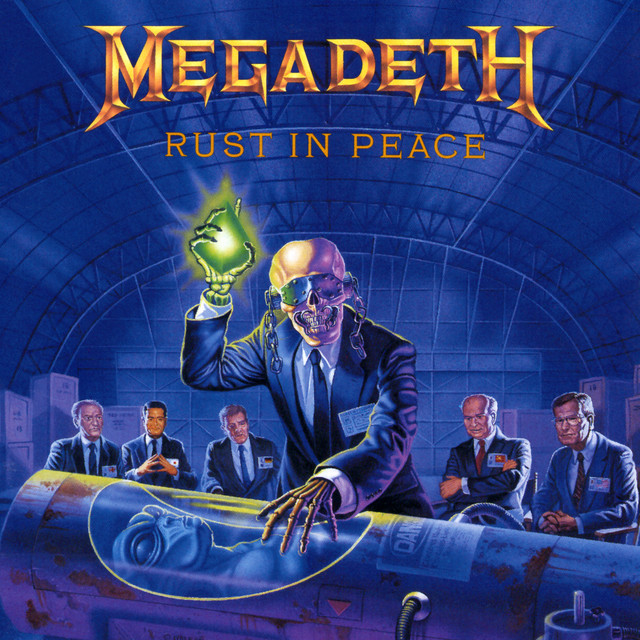
Melodic thrash grew out of the Bay Area thrash movement in the mid‑to‑late 1980s. Bands took the high‑speed riffing and downpicked precision of thrash and merged it with the melodic guitar sensibilities of NWOBHM and speed metal. Early U.S. acts like Megadeth and Testament showcased intricate harmonized leads and hook‑forward choruses, while European groups such as Artillery and Paradox pushed a distinctly tuneful, technically adept approach.
As the 1990s began, some thrash outfits pivoted toward more accessible, melody‑rich writing while keeping the riff intensity, helping bridge thrash with power and traditional heavy metal aesthetics. A few bands moved toward groove or mainstream metal, but the melodic strain persisted in acts blending precise riffcraft with memorable vocal lines and neoclassical‑tinged solos.
The 2000s re‑thrash wave revived interest in classic forms, including melodic thrash. Newer bands (and revitalized veterans) adopted modern production—tighter low end, clearer lead tones—while some incorporated elements from melodic death metal and progressive metal, reinforcing the style’s tuneful yet aggressive identity.
Melodic thrash remains a reliable thread within modern metal, heard in bands that emphasize articulate, hook‑driven choruses without sacrificing speed or precision. Contemporary releases often feature tighter mixes, occasional extended‑range guitars, and arrangements that balance technical display with singable motifs.

Top albums