Your digging level

For this genre
0/8
🏆
Sign in, then listen to this genre to level up

Description

Slash punk is a fast, stripped‑down strain of early‑80s U.S. hardcore revived in the 2000s with an even rawer, knife‑edge attack. It prioritizes slashing down‑stroke guitars, treble‑forward tones, whiplash tempos, and barked, unadorned vocals.

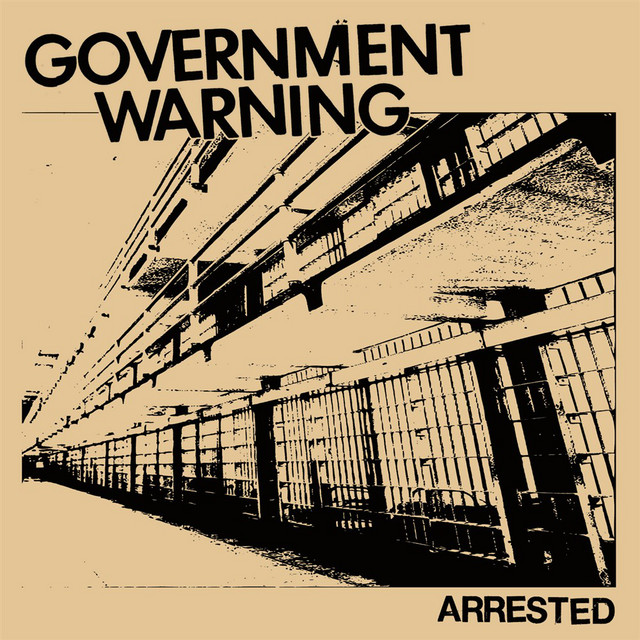
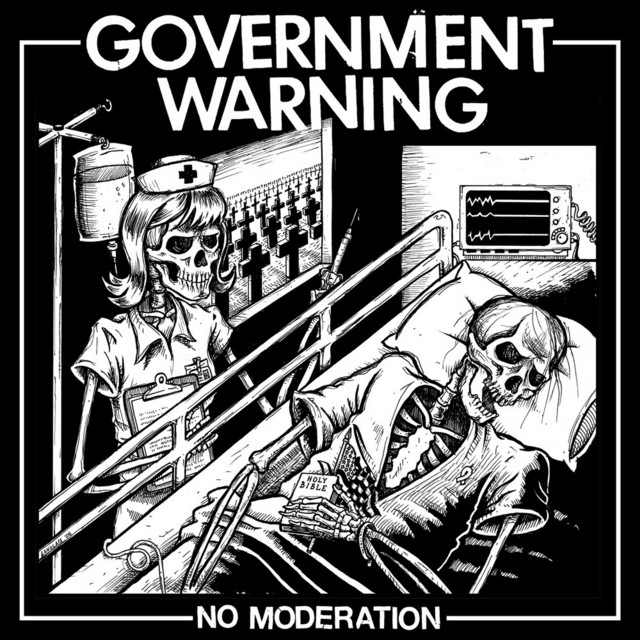
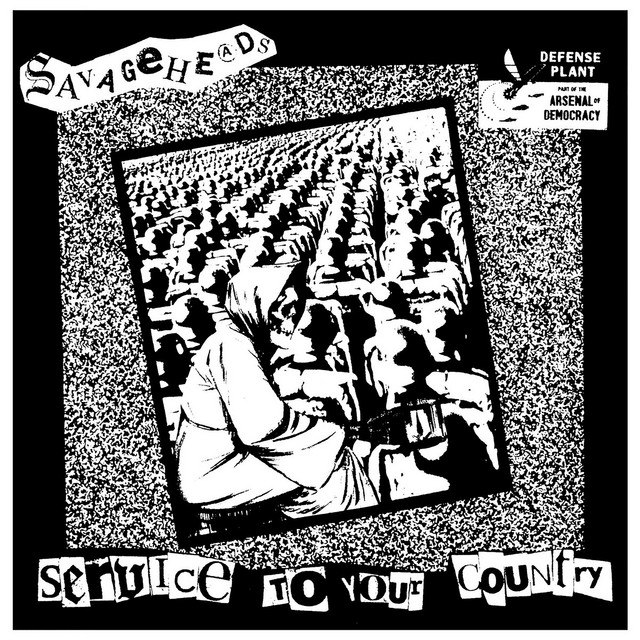
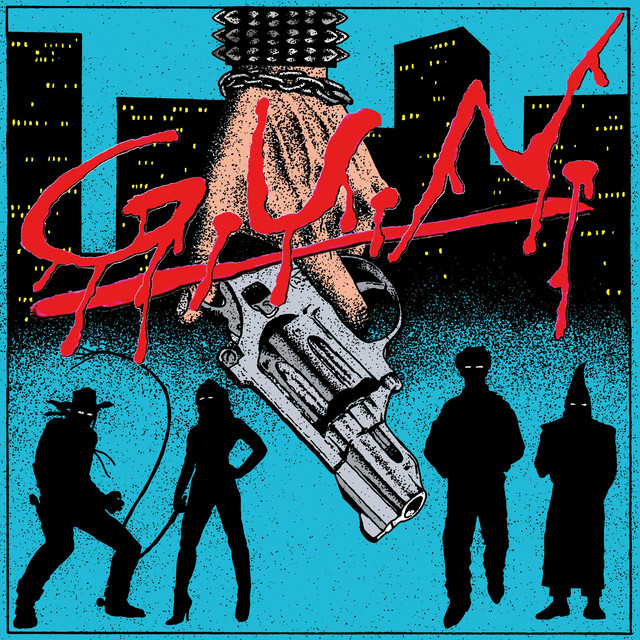
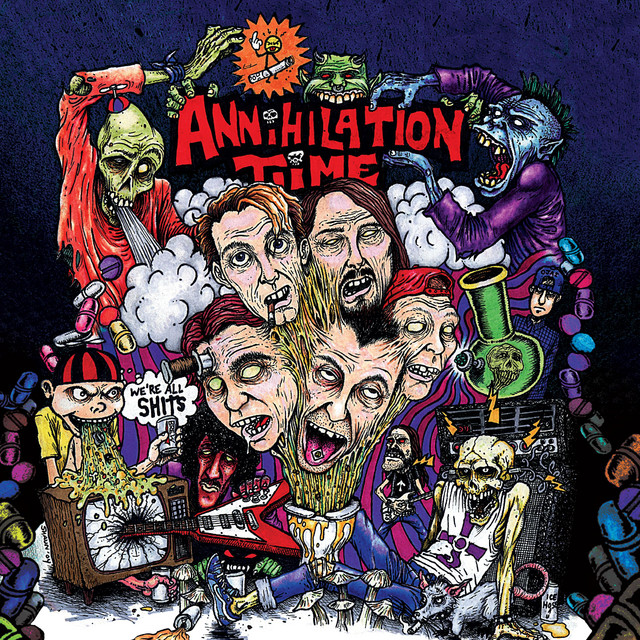
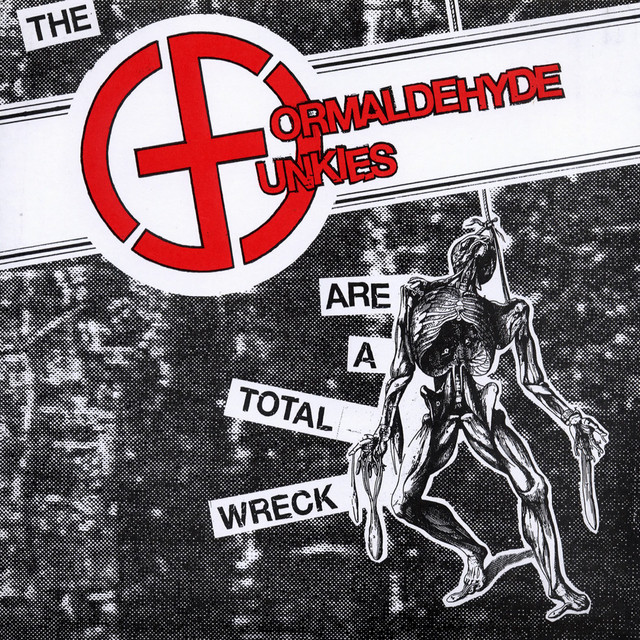
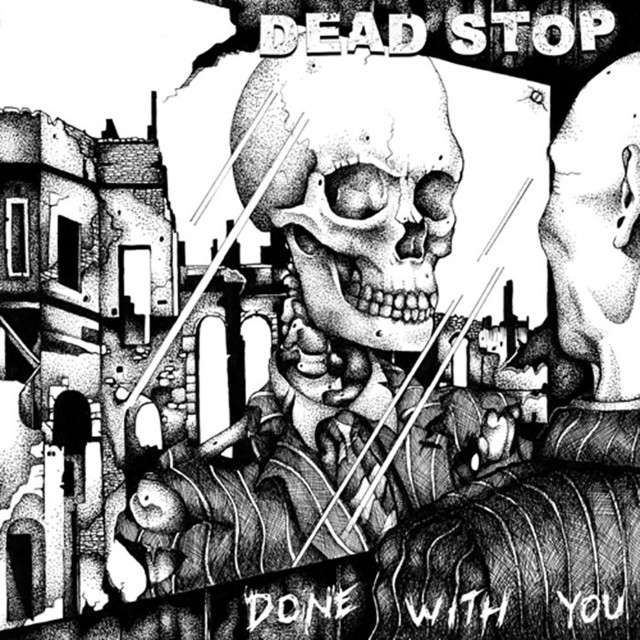
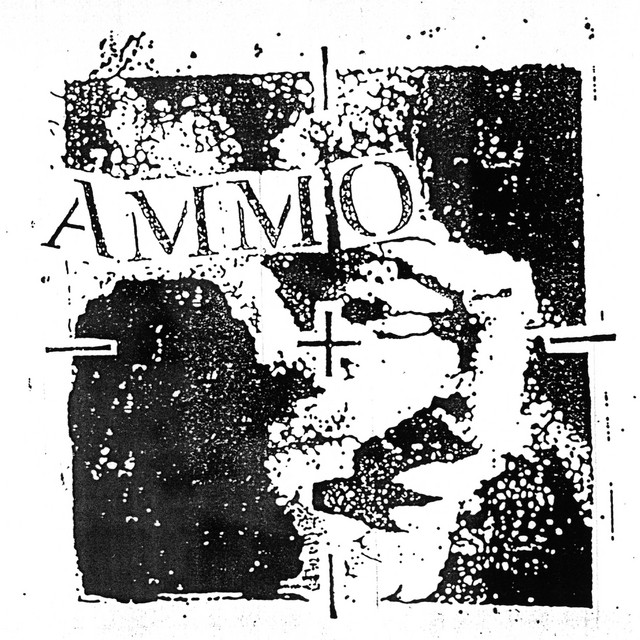
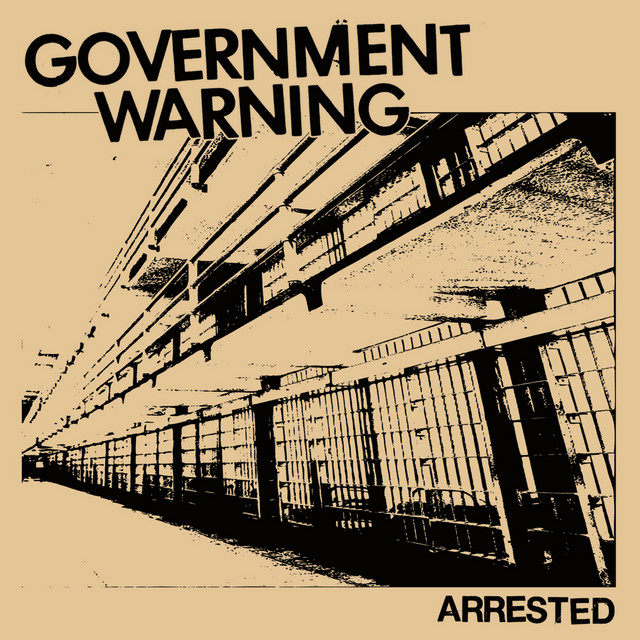
Songs are short (often under 90 seconds), hooky in a primitive way, and driven by tight D‑beat and skank beats, sudden stops, gang shouts, and blackout‑quick endings. The aesthetic is staunchly DIY: live‑in‑the‑room recording, minimal overdubs, xeroxed artwork, and small‑label or self‑released formats.

Lyrically it centers on everyday pressure, boredom, paranoia, and anti‑authoritarian rage—delivered with deadpan sarcasm or blunt confrontation.


Sources: Spotify, Wikipedia, Discogs, RYM, MB, user feedback and other online sources

History

Roots (early 1980s)

Slash punk’s DNA comes from the first wave of U.S. hardcore: furious tempos, economy of form, and a no‑frills, live‑wire sound. Parallel UK82 bands and the rise of D‑beat reinforced the reliance on skank and d‑beats, gang vocals, and a trebly, biting guitar presence.

Dormancy and underground transmission (1990s)

While other hardcore branches explored heavier, more metallic, or more melodic directions, the slash‑style ideal survived in tape‑trading circles, small tours, and collections of early U.S. HC and UK82 singles, shaping the taste of a new generation of players.

2000s revival and codification

In the 2000s, scenes in the United States (notably on the East Coast and Midwest) reignited that original, razor‑cut approach: ultra‑concise songs, sprint tempos, harshly compressed guitars, and vocal deliveries that felt closer to spoken bark than sing‑along melody. Small labels and tight touring circuits connected bands with like‑minded groups in Canada and Europe, cementing a recognizable transatlantic sound.

Aesthetic and legacy

The movement reaffirmed hardcore’s minimalism at a time when many adjacent scenes favored complexity or polish. Its legacy lives on in contemporary fast hardcore and deep‑cut DIY circles that keep the format raw, fast, and immediate.

How to make a track in this genre

Tempo, form, and feel
•   Aim for 180–230 BPM. Keep songs between 45–90 seconds. •   Use simple forms (A–B, or A–B–A) with hard stop/starts and abrupt endings. •   Prioritize forward momentum over variation—pace is the hook.
Drums and rhythm
•   Alternate d‑beat and skank beats; throw in rapid tom fills to set up drops. •   Kick patterns are tight and dry; avoid roomy reverbs—think close‑miked, punchy, and immediate.
Guitars and bass
•   Guitar: bright, biting, and thin enough to cut—single‑coil or trebly humbuckers, lots of downstrokes, light overdrive or clipped fuzz, minimal low‑end. •   Riffs: two to three chords, open‑string pedal tones, and chromatic rushes into turnarounds. •   Bass: locked to the kick, slightly overdriven, mid‑present to keep articulation under the guitar sheet.
Vocals and lyrics
•   Delivery: shouted or barked, near‑spoken cadence, tight to the grid. •   Themes: daily frustration, surveillance, social rot, anti‑authoritarianism; keep lines short and punchy, with occasional gang shouts.
Production and aesthetics
•   Track live with minimal overdubs; prioritize energy and clipping‑on‑the‑edge transients. •   Mix dry and forward: high‑passed guitars, snare crack, vocal up front, minimal effects. •   Artwork and packaging: DIY aesthetics (xerox collage, stark typography) to reinforce the scene ethos.

Top tracks

Locked
Share your favorite track to unlock other users’ top tracks

Upcoming concerts

in this genre
Influenced by
Has influenced
No genres found

Download our mobile app

Get the Melodigging app and start digging for new genres on the go
© 2026 Melodigging
Melodding was created as a tribute to Every Noise at Once, which inspired us to help curious minds keep digging into music's ever-evolving genres.
Buy me a coffee for Melodigging