Your digging level
Description
Lapland metal is a regional metal umbrella term associated with artists from Finnish Lapland and the far north of Finland.
It typically blends established metal styles (especially melodic death metal, black metal, folk metal, and occasionally doom) with “northern” aesthetics such as winter imagery, wide open landscapes, and themes tied to the Arctic environment.
Compared to many metropolitan scenes, it is often described as emphasizing atmosphere and place: cold, expansive guitar tones; melodic leads; and lyrical references to nature, isolation, darkness, and resilience.
It is not a single strict musical formula, but rather a geographic scene identity that frames multiple metal substyles through a Lapland/Arctic lens.
History
Lapland metal emerged as Finnish metal became internationally visible and diversified, with northern cities and towns forming their own clusters of bands and local circuits.
In the 1990s, Finnish extreme metal (especially black metal and melodic death metal) provided the stylistic toolkit. Bands from the far north began to be noticed as part of Finland’s broader metal wave, and “Lapland” became a shorthand for an Arctic, nature-forward thematic frame rather than a new set of musical rules.
In the 2000s, a few high-profile artists from Rovaniemi and other Lapland areas achieved national and international reach. Their success helped cement the idea of a distinct “Lapland metal” identity—less as a codified genre and more as a scene label.
From the 2010s onward, the term continued to be used to group diverse metal outputs from the region: folk-leaning acts, melodic extreme metal, and darker atmospheric projects. The defining commonality remained the regional origin and recurring Arctic imagery rather than a single sound.

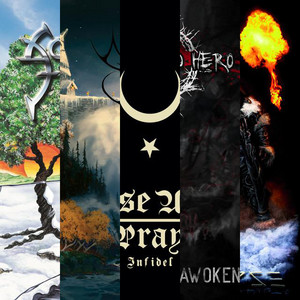
Top albums