Your digging level
Description
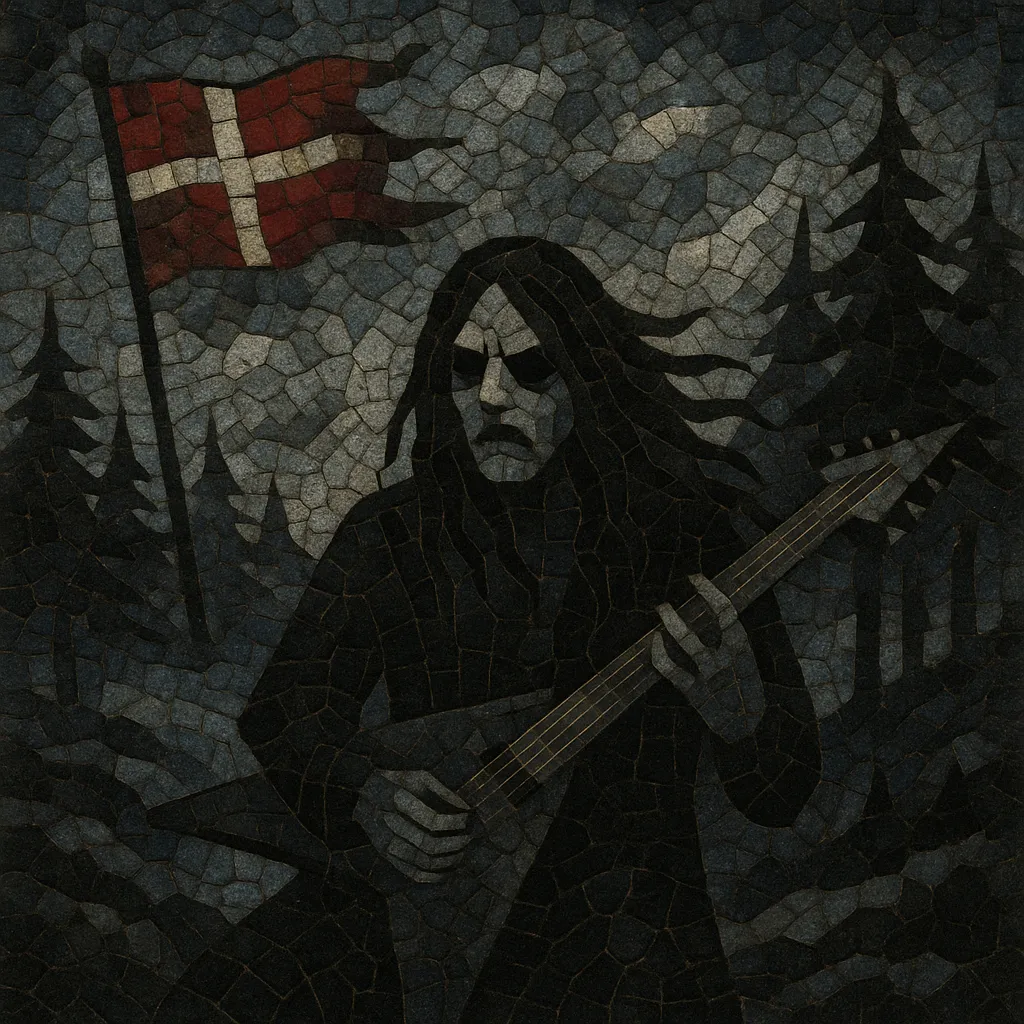
Danish black metal is a regional strand of black metal from Denmark that blends the genre’s second‑wave ferocity with a distinctly Nordic sense of atmosphere and melancholy.
Stylistically, it ranges from raw, lo‑fi assaults to expansive, long‑form compositions with layered guitars, blasting drums, and anguished vocals. Many bands favor widescreen, nature‑evoking textures, minor‑mode riffing, and gradual dynamic builds that channel coastal, wind‑swept, and forested imagery.
Lyric themes often explore folklore, existential gloom, death, and nature, with a notable use of the Danish language in many projects, which enhances its sense of place. Across three decades the scene has developed a recognizable identity that balances tradition with exploratory, atmospheric, and sometimes folk‑tinged or shoegaze‑brushed directions.


History
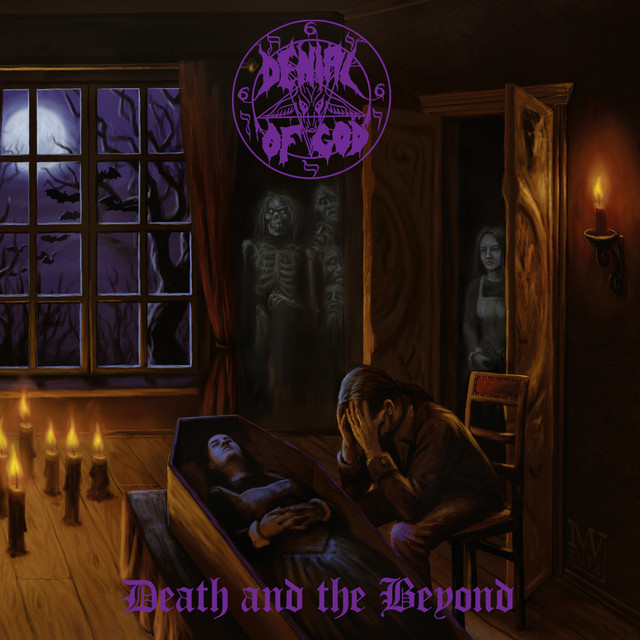
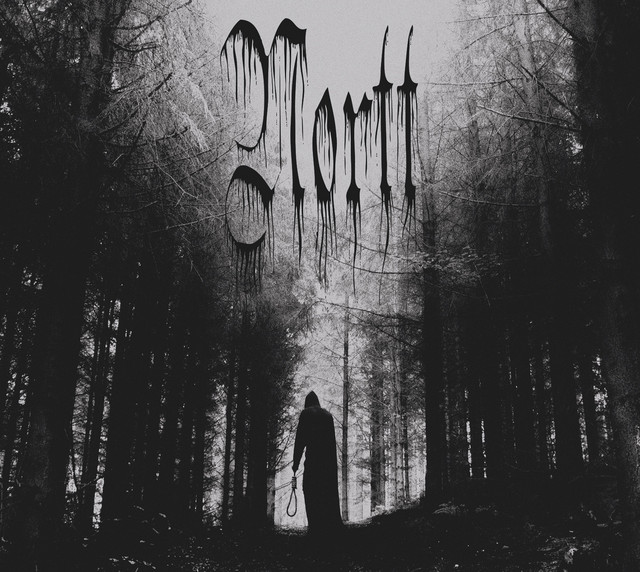
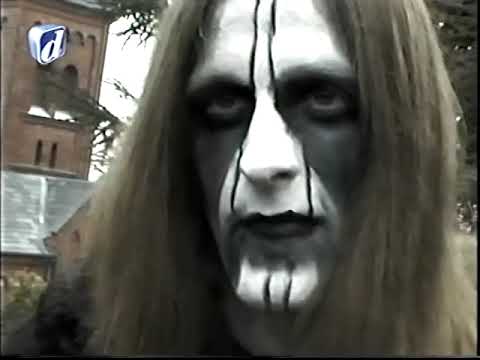
Danish black metal emerged in the early–mid 1990s, inspired by the second wave of black metal erupting from neighboring Norway. Early Danish acts adopted the core aesthetics—tremolo‑picked riffs, blast beats, shrieked vocals, corpse‑painted imagery—while infusing them with a gloomier, often more atmospheric tone. Projects like Denial of God and Nortt helped lay the groundwork, the former leaning into horror and the latter into funeral‑doom‑laced minimalism.
Through the 2000s, the scene diversified. Bands such as Angantyr and Horned Almighty expanded the palette: the former moved toward pagan and epic narratives with stark melodicism, while the latter fused black with death‑metal heft. Small labels, DIY venues, and tight local networks nurtured a self‑sustaining ecosystem that prized authenticity and individuality.
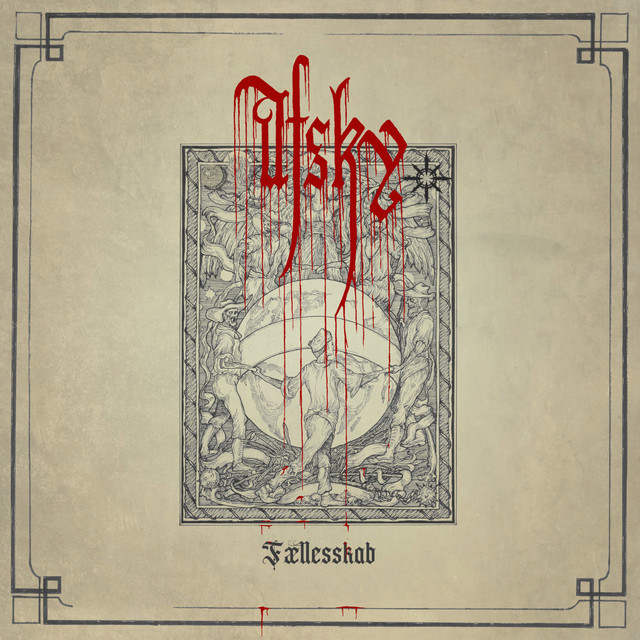
From the 2010s onward, groups like Solbrud, Orm, Afsky, and Slægt drew international attention with albums that combined ferocity and widescreen atmosphere. Some artists incorporated post‑rock dynamics and folk inflections; others flirted with blackgaze or blackened heavy metal, without losing the genre’s dark core. Myrkur’s high‑profile releases brought additional visibility, blending black metal with Nordic folk aesthetics.
While sonically varied, Danish black metal is unified by stark, naturalistic imagery, minor‑mode melodicism, and a sense of windswept melancholy. Danish‑language lyrics, field‑recorded ambience, and spacious production choices often heighten the local character, giving the scene a vivid, place‑rooted identity.