Your digging level
Description
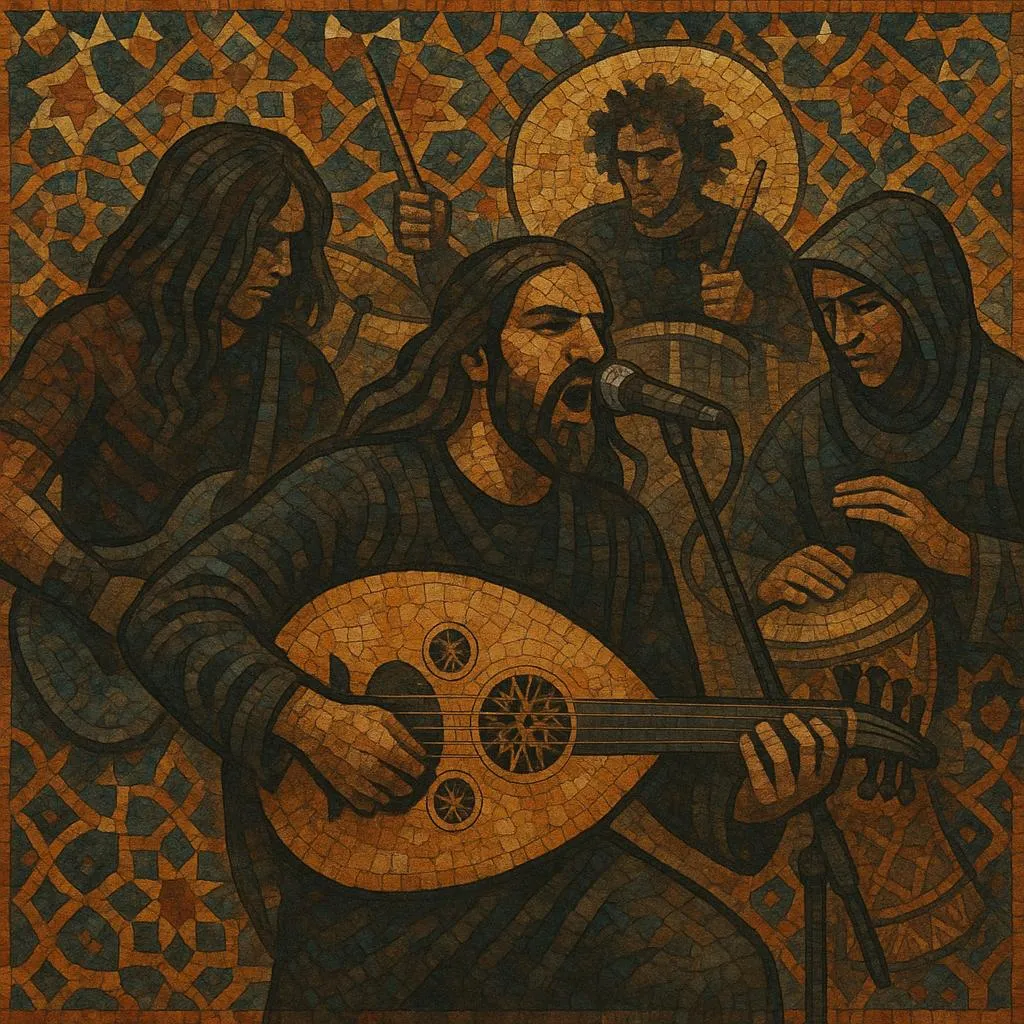
Arab metal is a fusion of heavy metal with Arabic musical language and aesthetics. It typically blends Western metal instrumentation (distorted electric guitars, bass, drum kit, and harsh or clean vocals) with Arabic maqam-based melodies, melismatic vocal phrasing, and Middle Eastern percussion such as darbuka or riqq. Traditional instruments like the oud, qanun, or ney are sometimes added, and Arabic (or bilingual) lyrics are common.
The result ranges from thrash and death-metal aggression to progressive, folk‑inflected, and symphonic textures, while retaining modal colors and rhythmic cells (e.g., baladi/sa‘idi feels) strongly associated with Arab popular and classical traditions. Bands from North Africa and the Levant helped codify this sound in the late 1990s–2000s and carried it to international metal stages.
History
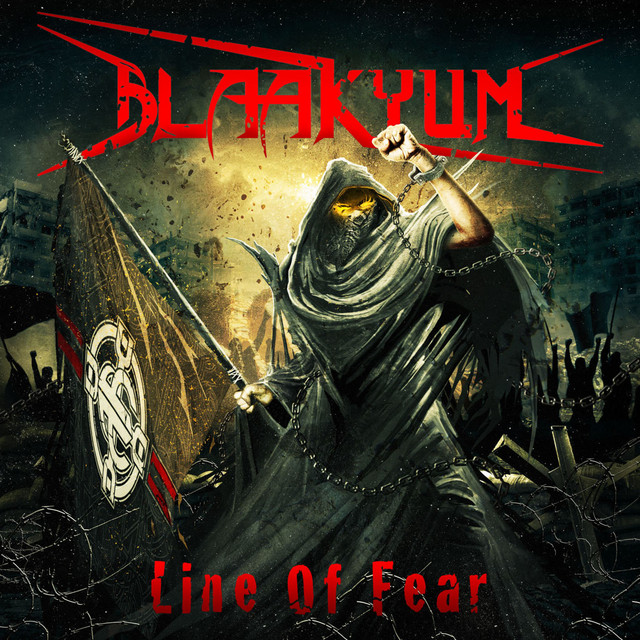
Heavy metal scenes grew around Beirut, Cairo, Tunis, Casablanca and the Gulf in the 1990s, as local musicians adapted thrash, death and traditional heavy metal to regional melodic practices and Arabic lyrics. In Lebanon, Blaakyum (founded 1995) exemplified an early Levantine blend of thrash/groove riffing with Middle Eastern folk timbres, even incorporating goblet drum on stage. Their trajectory also documented the socio‑political pressures surrounding metal in the region in that decade.
In the 2000s, North African bands professionalized the fusion and reached European labels and festivals. Tunisia’s Myrath, formed in 2001, articulated a progressive/power approach that wove maqam‑colored melodies and Middle Eastern instrumentation into polished, arena‑scale arrangements; their releases and touring helped establish the sound abroad.
Throughout the 2010s, Arab metal scenes from the Maghreb to the Levant and the Gulf exchanged members and producers with European circuits, while maintaining Arabic lyrical content and modal vocabulary. Notable festival appearances (e.g., Wacken Metal Battle wins and slots) underscored growing international recognition for bands from the Arab world.
Across substyles (thrash, death, progressive, folk, symphonic), Arab metal is unified by the use of Arabic scales and ornaments, Middle Eastern percussion grooves, and lyrical themes that reference regional history, myth, and contemporary social realities. Myrath’s catalog and similar releases are often cited by press as emblematic of this hybridization.
Harmony and melody: Write riffs and vocal lines using Arabic maqamat (e.g., Hijaz, Nahawand, Kurd). Keep characteristic intervals and ornaments (glissandi, micro‑ornamental turns) in lead guitar/keys and vocals. Harmonize sparingly; modal pedal points and parallel perfect intervals preserve maqam color.
•Rhythm: Underpin with metal backbeats/double‑kick patterns, but layer idiomatic Middle Eastern grooves (baladi, sa‘idi, malfuf) on frame drum or darbuka to interlock with the kit. Use polymetric fills to bridge sections.
•Instrumentation and sound design: Start with a standard metal ensemble (2 guitars, bass, drums, vocals). Add timbral ‘signatures’—oud or saz doubling a riff, qanun/ney for intros or interludes, hand percussion for choruses/breakdowns. Employ clean/harsh vocal contrasts; melismatic hooks in choruses keep the Arabic identity recognizable.
•Arrangement: Alternate heavy riff blocks with atmospheric passages featuring drones or modal improvisation (taqsim‑style guitar/keys). Modulate between related maqamat for development instead of functional Western key changes.
•Lyrics and themes: Write in Arabic or code‑switch with English. Topics often span history, folklore, spiritual motifs, and present‑day social commentary; maintain poetic imagery and assonance common to Arabic lyric traditions.