Your digging level
Description
Symphonic prog (symphonic progressive rock) is a strand of progressive rock that adopts the scope, structure, and tonal palettes of Western classical music while retaining a rock band’s instrumentation and power.
It is characterized by long, multi‑movement suites; recurring leitmotifs; dramatic dynamic shifts; and richly layered keyboard textures (Mellotron, Hammond organ, Minimoog). Arrangements often imitate orchestral writing through counterpoint, thematic development, and sectional contrast, with guitars and keyboards sharing lead roles much like orchestral sections. Lyrics tend toward literary, mythic, or philosophical themes, and the overall presentation emphasizes grandeur and narrative arc.
The sound balances warmth and precision: crisp rhythm sections underpin harmonically sophisticated progressions, while symphonic voicings and choir‑like pads create an expansive, epic atmosphere.


History
Symphonic prog emerged in the United Kingdom as part of the first wave of progressive rock, when rock groups began absorbing classical forms and techniques. Bands expanded song lengths, moved beyond blues structures, and adopted multi‑part suites, while the Mellotron and evolving synthesizers enabled orchestral timbres without hiring full orchestras.
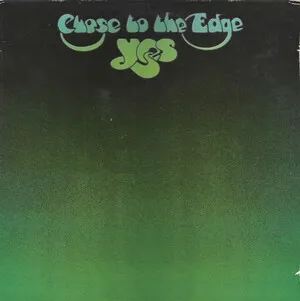
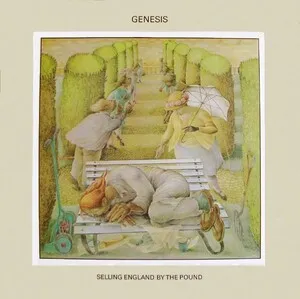
The genre reached maturity with ambitious concept albums and side‑long compositions. Groups like Yes, Genesis, Emerson, Lake & Palmer, and Renaissance combined complex arrangements, virtuosic playing, and theatrical presentation. Italian bands (PFM, Banco del Mutuo Soccorso) and Dutch groups (Focus) added national flavors, helping establish a pan‑European symphonic sound.
As studio technology improved, productions became more polished, though the punk/new wave backlash reduced mainstream exposure. Many bands pivoted toward shorter forms, yet the symphonic grammar—leitmotifs, modulations, and orchestral keyboard layers—remained influential.
A new generation revived symphonic values with updated production. Neo‑progressive bands streamlined the vintage sound while preserving melodic grandeur and narrative sweep. In the 1990s, Scandinavian and American acts (e.g., The Flower Kings, Spock’s Beard, Transatlantic) restored long‑form suites and lush arrangements, catalyzing a sustained renaissance.
Symphonic prog’s orchestral mindset has informed neo‑prog, progressive metal, and symphonic metal, as well as contemporary concept albums across rock. Modern artists blend classic Mellotron/organ colors with digital orchestration, keeping the idiom’s epic, narrative essence alive.

Top albums
Best playlists