Your digging level
Description
Klasik is the classical music tradition of Afghanistan. It encompasses both instrumental forms and vocal genres such as the Persian ghazal, rendered within raga- and tala-based frameworks adapted to Afghan aesthetics.
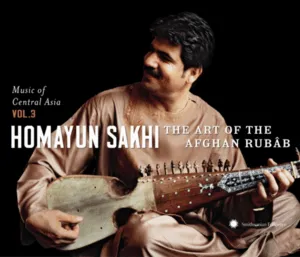
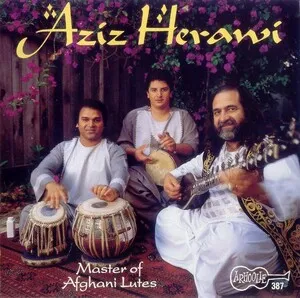
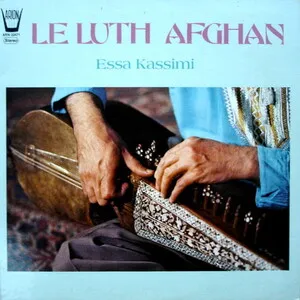
Shaped at the royal court in Kabul—especially after Indian ustads arrived in the 1860s at the invitation of Amir Sher Ali Khan—klasik sits at a cultural crossroads. Its melodic language draws on North Indian (Hindustani) raga practice while absorbing Persian modal sensibilities and local ornamentation. Typical ensembles feature rubab (the Afghan national lute), dutar or tanbur, bowed instruments (ghichak), harmonium, and tabla, with vocalists singing in Dari (Persian) and Pashto.
Klasik performances balance composed material with improvisation: alap-like introductions, fixed compositions (bandish or ghazal couplets), sargam/taans, and extended rhythmic elaboration in talas such as tintal (16), keherwa (8), dadra (6), ektal (12), and rupak (7). The result is an intimate, lyrical art music that bridges courtly refinement, Sufi-inflected poetry, and Afghan instrumental virtuosity.
History
Afghanistan’s klasik coalesced in the mid-1800s when Amir Sher Ali Khan invited Indian court musicians (ustads) to Kabul in the 1860s. These masters—often from prominent Hindustani lineages—transmitted raga-tala pedagogy, khayal and thumri vocalism, tarana syllabic singing, and refined instrumental techniques, which were then adapted to Afghan languages, instruments (especially the rubab), and performance etiquettes.
Under royal and aristocratic patronage, Kabul’s Kharabat quarter became a musicians’ district where Afghan-born performers and émigré Indian ustads intermingled. Persian-language ghazal poetry (Dari) and Pashto verse provided the primary lyrical canvas, infusing the music with Sufi metaphors of longing and devotion. The rubab’s timbre anchored an Afghan sound distinct from Indian sarod or sitar, even as raga frameworks remained central.
From the early-to-mid 20th century, Radio Afghanistan and state cultural institutions amplified klasik beyond court salons (mehfil) to a broader public. Ustads codified teaching lineages, merged local song forms with classical practice, and cultivated celebrated vocalists and instrumental soloists. Klasik diversified regionally (e.g., Herat, Kabul) while retaining common raga/tala grammar.
Conflict and political upheaval from the late 1970s onward displaced many artists. Diaspora communities in Pakistan, Iran, Europe, and North America sustained klasik through concerts, recordings, and pedagogy, often collaborating with global artists and recontextualizing Afghan classical repertoire on international stages.
Since the 2000s, renewed documentation, master–apprentice transmission, and international ensembles have revitalized klasik. Contemporary rubab virtuosi, classically trained vocalists, and cross-genre projects (from chamber collaborations to world-fusion settings) have introduced Afghan classical aesthetics to new audiences while maintaining its poetic core and improvisational ethos.