

Your digging level
Description
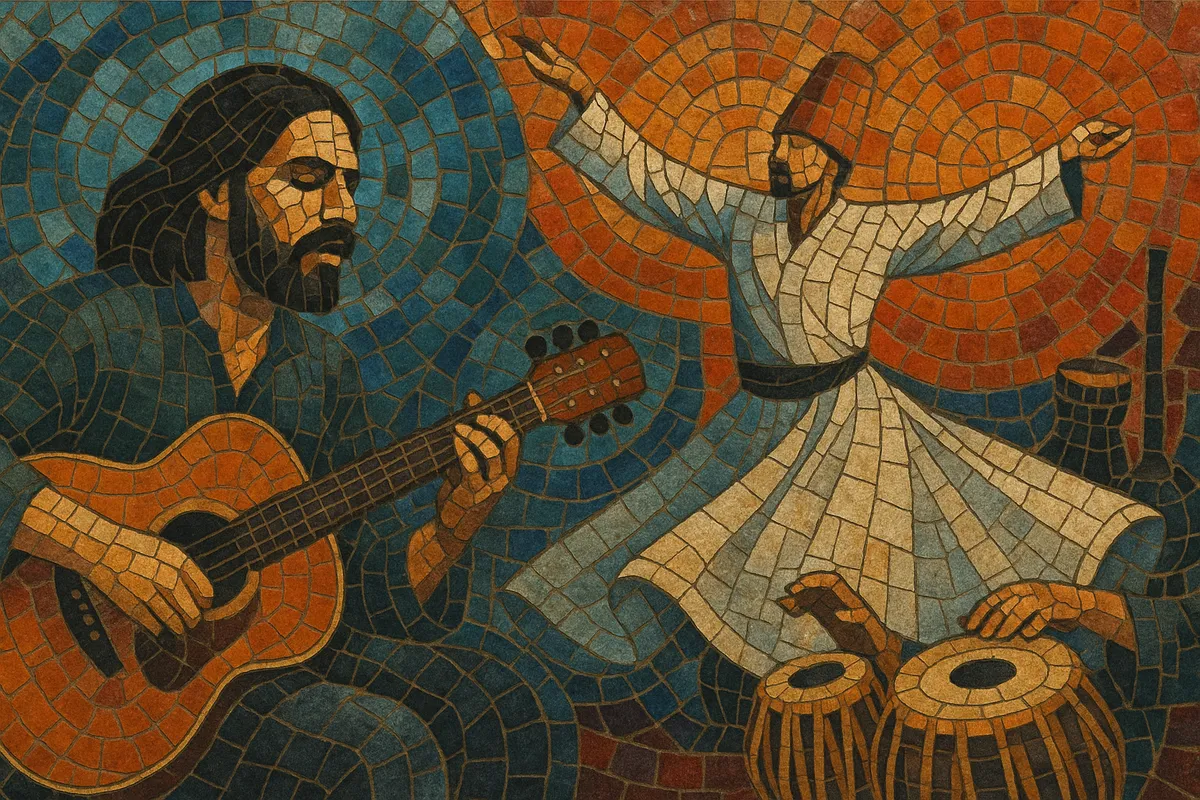
Sufi rock is a South Asian fusion genre that blends the spiritual poetry and melodic contours of Sufi traditions—especially qawwali and ghazal—with the energy, instrumentation, and song structures of rock.
Typically led by electric guitars, bass, and drums alongside harmonium, tabla/dholak, tanpura drones, and sometimes regional strings (e.g., rubab or sitar), it marries modal, raga-informed melodies with driving backbeats. Vocals are highly expressive and melismatic, drawing on Urdu, Punjabi, Persian, Sindhi, and other languages to deliver poetry about divine love, transcendence, and introspection.
The sound ranges from rootsy, folk-rock warmth to anthemic hard rock and psychedelic climaxes, often building toward ecstatic, chant-like refrains that echo Sufi zikr (remembrance).




History
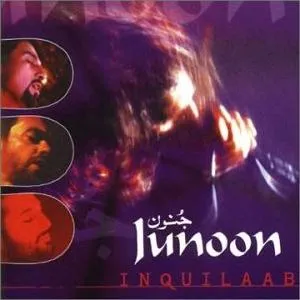
Sufi rock crystallized in Pakistan in the early-to-mid 1990s, when rock bands began setting Sufi poetry to amplified, riff-driven arrangements. The group most widely credited as the pioneer is Junoon, founded by Salman Ahmad in 1990. Drawing on qawwali cadences, Hindustani raga sensibilities, and Western rock idioms (hard rock, blues rock, psychedelic rock), Junoon popularized a spiritual, arena-ready fusion that spoke to youth culture while remaining rooted in tradition.
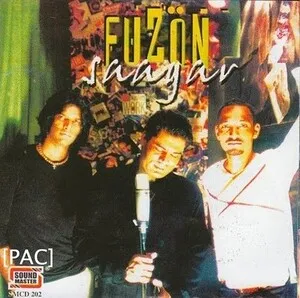
As Junoon’s success spread across South Asia, other Pakistani acts—Noori, Mekaal Hasan Band, and later The Sketches and Fuzön—expanded the palette, mixing classical and folk timbres (harmonium, bansuri, tabla) with modern rock production. In India, singer-composers like Kailash Kher (with his band Kailasa) and Rabbi Shergill created hit songs that brought Sufi-inflected rock songwriting to mainstream film and independent circuits.
The turn of the 2000s also saw high-profile live and studio collaborations, especially through platforms such as Coke Studio (Pakistan), which showcased Sufi poetry in contemporary band settings. This era cemented sufi rock’s identity as both devotional and contemporary, appealing to diverse audiences.
Throughout the 2010s, sufi rock matured into a recognizable South Asian strand of world-minded rock. Acts increasingly combined keherwa (8-beat) and dadra (6-beat) cycles with 4/4 rock grooves, used modal, drone-oriented harmony, and staged long, ecstatic build-ups reminiscent of qawwali’s tarana and sama’ practices.
Today, sufi rock influences South Asian indie, folk-rock, and global fusion scenes. It remains a powerful vehicle for reinterpreting classical and folk Sufi repertoires for contemporary stages and festivals, maintaining its dual identity as spiritually resonant and sonically modern.
Aim for an ecstatic, devotional intensity wrapped in a modern rock band sound. Keep the melodic language close to raga/mode, use drones, and let sections build toward chant-like climaxes.

Best playlists



