Your digging level
Description
Romantische Oper (Romantic Opera) is an early nineteenth‑century German operatic genre that blends folkloric subject matter, medieval or fantastic settings, and a heightened orchestral role with the number‑opera practices inherited from the late Classical era.
Rather than growing directly out of the eighteenth‑century Singspiel, it was decisively shaped by the French opéra comique of the Revolutionary and Napoleonic eras. Characteristic are reminiscence motifs—recognizable musical phrases tied to characters, ideas, or places—that recur across a work to bind drama and music, prefiguring later leitmotivic techniques. Orchestration becomes vivid and dramaturgical (hunting horns, nature painting, offstage ensembles), while choruses and folk‑like tunes reinforce themes of the supernatural, heroism, nationhood, and the poetic power of nature.
Typical libretti draw on German folk tales, legends, and medieval romance; musically, the style favors singable, diatonic melodies colored by chromatic harmony and striking timbral effects to depict magic and terror alongside lyric intimacy.
History
Romantische Oper emerged in the German‑speaking world in the 1810s, absorbing the dialogic, scene‑based dramaturgy of French opéra comique while channeling distinctively German literary currents (romance, medievalism, and folk revival). Early landmarks include E. T. A. Hoffmann’s Undine (1816) and Louis Spohr’s Faust (1816), both steeped in the supernatural and in literary Romanticism.
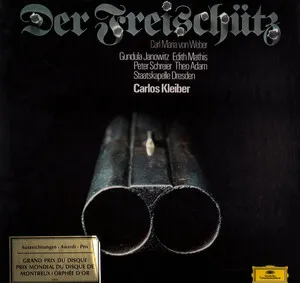
Carl Maria von Weber consolidated the aesthetic with Der Freischütz (1821), Euryanthe (1823), and Oberon (1826). Weber’s works elevated the orchestra to a narrative partner and used reminiscence motifs to unify scenes. Der Freischütz’s Wolf’s Glen scene became an archetype for musical depictions of the uncanny—low winds, trombones, and percussion underscoring diabolic imagery—while rustic choruses and hunting calls anchored the works in folk and nature.
Heinrich Marschner (Der Vampyr, 1828; Hans Heiling, 1833) darkened the palette with Gothic and folkloric plots, richer chromaticism, and dramatic orchestration. Composers such as Albert Lortzing, Otto Nicolai, and Friedrich von Flotow maintained the genre’s blend of melody‑forward numbers, choral tableaux, and folkloric color—sometimes lightening the tone toward comic or domestic subjects—yet retained Romantic settings and national flavor.
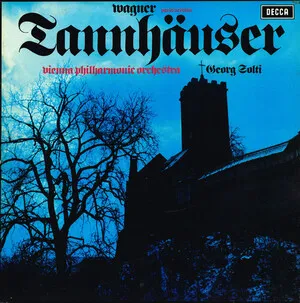
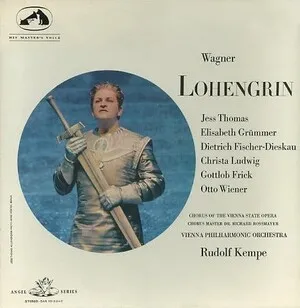
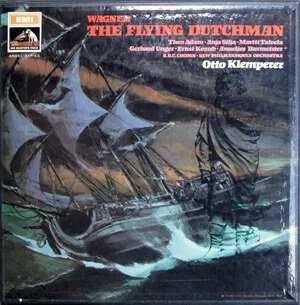
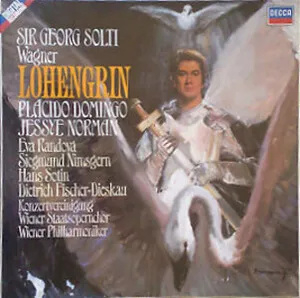
Richard Wagner’s early operas (Der fliegende Holländer, 1843; Tannhäuser, 1845; Lohengrin, 1850) stand at the hinge between Romantische Oper and his later “music drama.” He systematized reminiscence motifs into leitmotivic networks and sought ever greater continuity between numbers. While Wagner ultimately superseded the genre’s number‑opera framework, his approach grew from—and generalized—the Romantic opera’s orchestral imagination and mythic subject matter.
Late‑century works like Engelbert Humperdinck’s Hänsel und Gretel (1893) preserved fairy‑tale subjects, folk‑inflected melody, and lush orchestration within a post‑Wagnerian harmonic language. Romantische Oper’s legacy persists in opera (mythic/fantastic plots, motive‑driven dramaturgy) and far beyond—in symphonic storytelling and later popular genres that borrow operatic grandeur, leitmotivic thinking, and medievalist or fantastic imagery.