Your digging level

For this genre
0/8
🏆
Sign in, then listen to this genre to level up

Description

Opera metal is a style of metal that fuses heavy metal instrumentation with operatic composition and vocal technique.

It typically features classically trained (often soprano or mezzo-soprano) lead vocals, dramatic song structures that resemble arias and scenes, and arrangements that borrow from opera and symphonic classical music (strings, choirs, overtures, and leitmotifs).

Compared with broader symphonic metal, opera metal places more emphasis on explicit operatic singing, theatrical narration, and a “stage drama” feeling, often contrasting soaring operatic lines with distorted guitars, double-kick drumming, and sometimes harsh vocals.

Lyrical themes frequently include tragedy, romance, myth, gothic literature, and grand historical or fantastical storytelling.


Sources: Spotify, Wikipedia, Discogs, Rate Your Music, MusicBrainz, and other online sources

History

Roots and precursors

Opera metal grew out of late-20th-century experiments that combined metal with classical and theatrical forms, especially the rise of symphonic metal and the popularity of operatic-pop and classical crossover aesthetics.

Emergence in the 1990s

In the 1990s, European metal scenes (especially in Northern and Western Europe) increasingly incorporated orchestration, choirs, and classically trained vocalists. Within that broader movement, a subset of bands leaned heavily into explicitly operatic vocal technique and dramaturgy, forming what fans and media began to call “opera metal.”

2000s expansion and codification

During the 2000s, opera metal became more recognizable as bands used full orchestras, multi-character storytelling, and arrangements that resemble operatic acts or suites. The genre also benefited from improved production tools for blending metal rhythm sections with cinematic orchestration.

2010s–present

Opera metal remains a niche but durable style within symphonic and theatrical metal. Modern releases often combine operatic vocals with contemporary metal production (tighter low end, layered choirs, hybrid orchestration, and more extreme-metal elements) while keeping the dramatic, stage-like presentation central.

How to make a track in this genre

Core instrumentation
•   Use a standard metal band setup: distorted electric guitars (often double-tracked), electric bass, and drum kit (frequently with double-kick patterns). •   Add operatic and orchestral colors: string ensemble (real or sampled), brass swells, woodwind lines, timpani/cymbal crescendos, and choir layers. •   Consider a “pit + band” mindset: treat the orchestra/choir as the dramatic foundation and the metal band as the driving engine.
Vocals and roles
•   Feature a classically trained vocalist using operatic projection, controlled vibrato, clear diction, and wide dynamic range. •   Write vocal lines like arias: long phrases, climactic high notes, and dramatic cadences. •   Optional but common: use multiple voices as characters (soprano/tenor/baritone), spoken narration, and harsh vocals for contrast or antagonistic roles.
Harmony and melody
•   Borrow from classical harmonic language: functional cadences, modal mixture, and dramatic key changes for scene-like shifts. •   Use leitmotifs: assign short melodic cells to characters, places, or ideas, then vary them across songs. •   Balance singable melodic clarity with metal weight: let the orchestra carry counterpoint while guitars reinforce harmonic pillars and rhythmic accents.
Rhythm and form
•   Typical tempos range from mid-tempo marches to fast double-kick sections; use tempo changes to mimic operatic “scene” pacing. •   Favor multi-section structures (overture → verse/scene → development → climactic chorus/aria peak → coda), rather than strict pop forms. •   Use orchestral builds (crescendo rolls, rising string ostinatos) to lead into heavy riffs or vocal climaxes.
Arrangement and production
•   Keep the operatic vocal intelligible: carve space in the 1–4 kHz range and avoid masking with dense guitar/choir layers. •   Orchestrate with register discipline: do not stack choir, strings, and lead voice in the same octave during key lyrical moments. •   Use wide stereo for orchestra/choirs and a solid center for kick, snare, bass, and lead vocal to preserve power and clarity.
Lyrics and aesthetics
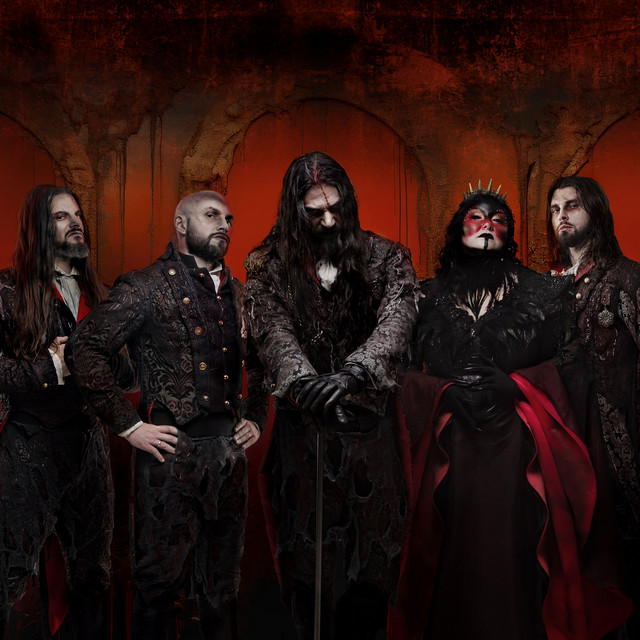
•   Write in a theatrical register: tragedy, romance, myth, gothic themes, or historical drama. •   Structure lyrics as scenes and monologues; include recurring phrases that reinforce motifs. •   Stage presentation matters: costumes, character concepts, and album-level narratives are common and help the genre read as “opera-like.”

Related labels

Top tracks

Locked
Share your favorite track to unlock other users’ top tracks
Influenced by
Challenges
Digger Battle
Let's see who can find the best track in this genre
© 2026 Melodigging
Melodding was created as a tribute to Every Noise at Once, which inspired us to help curious minds keep digging into music's ever-evolving genres.
Buy me a coffee for Melodigging