Your digging level

For this genre
0/8
🏆
Sign in, then listen to this genre to level up

Description

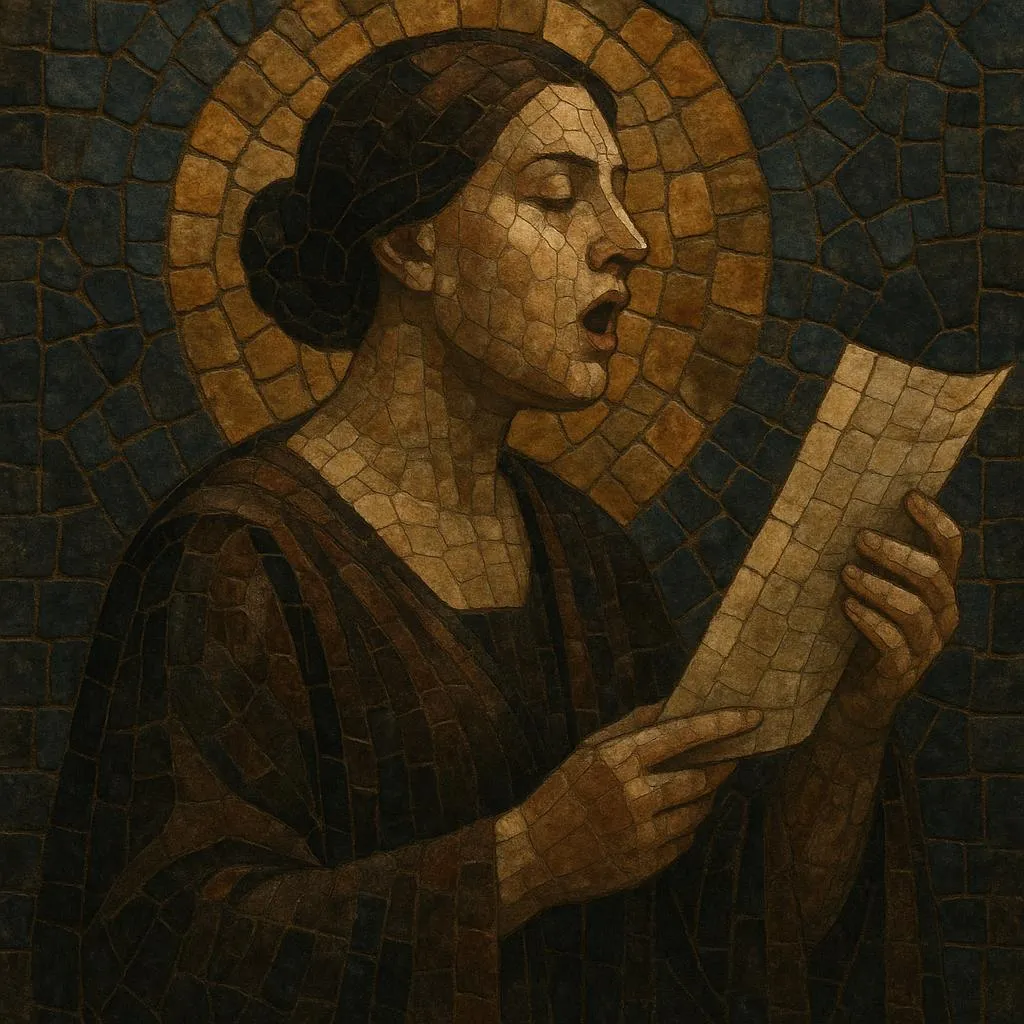
Classical contralto refers to the lowest standard female voice type in Western classical music, with a rich, dark timbre and a comfortable tessitura centered in the lower middle register. Typical written range spans roughly E3–F5 (or even down to C3 for true contraltos), with the most resonant, characteristic sound in the low and low‑middle range.

The contralto voice is heard in opera, oratorio, cantata, lieder/art song, and symphonic choral repertoire. It often embodies characters of gravitas—mothers, sorceresses, noble confidantes—or delivers contemplative and devotional solos in sacred works. Stylistically, contraltos excel at sustained legato, chiaroscuro shading, and text‑centered delivery; in Baroque music they also negotiate tasteful ornamentation with a dignified, grounded color that differs from the brilliance of soprano or the warmth of mezzo-soprano.


Sources: Spotify, Wikipedia, Discogs, Rate Your Music, MusicBrainz, and other online sources

History

Origins (18th century)

The contralto emerged distinctly in the Baroque era, when composers began writing substantial lower‑female or “alto” parts alongside castrato and soprano roles. In sacred music, the “alto” arias of large-scale cantatas and passions established the voice’s contemplative and penitential profile. In opera seria and opera of the Italian tradition, lower female voices began to assume dignified or maternal roles, with da capo arias that favored noble line and sonorous depth.

19th century: Romantic expansion

During the Romantic period, the contralto color found new breadth in grand opera and sacred concert repertoire. Composers wrote expansive melodic spans and expressive recitatives, often exploiting the voice’s burnished center and resonant lows for roles of moral authority or tragic weight. In the concert hall, contralto solos in oratorios and symphonic works grew in prominence, and lieder were frequently transposed or conceived to highlight the voice’s introspective character.

20th century: Iconic voices and recording era

The recording era canonized contralto timbres through landmark artists whose discs defined the fach for listeners worldwide. Broadcasting and LPs popularized the contralto’s unique sonority in choral masterworks, operatic scenes, and recital literature, cementing its association with solemnity, spirituality, and dignified pathos.

21st century: Historically informed and contemporary uses

Historically informed performance sharpened stylistic expectations—clean articulation, rhetorical phrasing, and historically appropriate ornamentation for Baroque repertoire. Contemporary opera and concert music continue to exploit the contralto’s lower tessitura for roles requiring gravity, and cross‑genre projects sometimes borrow classical contralto technique for cinematic, symphonic, and crossover settings.

How to make a track in this genre

Vocal range, tessitura, and timbre
•   Write primarily for E3–F5, with the most characteristic tessitura from G3 to E5. True contraltos may dip to C3. •   Exploit the dark, velvety color in the low and low‑middle register; avoid keeping the line too long in the high staff where the voice may lose its signature depth.
Melody and phrasing
•   Favor long, legato lines with clear textual declamation. Use appoggiaturas, trills, and tasteful da capo ornamentation for Baroque arias; keep embellishments noble rather than flashy. •   In Romantic/late‑Romantic writing, craft arching phrases that sit low–mid and allow for expressive portamento and dynamic swells (messa di voce on sustained tones).
Harmony, keys, and orchestration
•   Choose keys that center the tessitura below the staff (e.g., minor keys or darker tonal centers) to showcase resonance. •   Orchestrate with supportive, non‑covering colors: strings (violas/cellos), woodwinds (clarinet, oboe d’amore, bassoon), and restrained brass. Avoid persistent high trumpets or dense upper woodwind textures when the voice sings low.
Rhythm and rhetoric
•   Baroque: write dance‑derived rhythms (sarabande, siciliano) and clear rhetorical cadences; allow space for cadential ornaments. •   Romantic/modern: use flexible rubato and text‑driven pacing; recitatives should match natural speech rhythm with supportive harmonic cues.
Text and characterization
•   Sacred or contemplative texts suit the contralto’s gravitas (lamentation, consolation, devotion). Dramatic roles can emphasize wisdom, authority, or the supernatural. •   Languages: Italian and German dominate, but English, French, and Russian repertoire are common. Set vowels to favor resonance on long notes.
Practical tips
•   Keep climactic peaks within the upper‑middle voice, returning quickly to the core tessitura. •   Allow orchestral interludes to breathe after sustained low passages, giving the singer recovery time. •   For historically informed styles, align vibrato usage, articulation, and ornament scope with period practice.

Top tracks

Locked
Share your favorite track to unlock other users’ top tracks
Influenced by
Has influenced
Challenges
Digger Battle
Let's see who can find the best track in this genre

Download our mobile app

Get the Melodigging app and start digging for new genres on the go
© 2026 Melodigging
Melodding was created as a tribute to Every Noise at Once, which inspired us to help curious minds keep digging into music's ever-evolving genres.
Buy me a coffee for Melodigging