Your digging level
Description
Romantic classical (Romantic-era) music is the 19th‑century phase of Western art music in which expression, individuality, and imagination came to the fore. Composers expanded the orchestra, embraced chromatic harmony and bold modulations, and favored long‑breathed, emotive melodies.
Aligned with the wider Romantic movement in literature and the arts, it prized the subjective—love, nature, the supernatural, nationalism, and the sublime—often through programmatic narratives. New and transformed genres (the symphonic poem, grand opera, the art song/Lied, concert overtures) coexisted with reimagined Classical forms (symphony, sonata, concerto) that grew in scale and harmonic daring.
From ca. 1800 through the early 20th century, Romantic music stretched from Beethoven’s heroic style and Schubert’s lyricism to Wagner’s leitmotivic dramas and Tchaikovsky’s symphonic ballet-infused language, culminating in late-Romantic gigantism and post-Romantic continuations.
History
Romantic classical music arose at the turn of the 19th century as composers sought greater expressive range than in the Classical period. Beethoven’s middle (“heroic”) works expanded form, harmony, and rhetoric; Schubert infused Classical designs with songful lyricism and harmonic color. This period established the piano as a central expressive instrument and fostered the rise of the Lied and character pieces.
By mid‑century, composers intensified chromaticism, orchestral color, and emotional scope. Berlioz pioneered programmatic symphonic forms (Symphonie fantastique) and modern orchestration; Chopin and Liszt advanced pianistic virtuosity and poetic miniatures alongside large‑scale works; Mendelssohn and Schumann balanced poetic intimacy with Classical craft. Opera flourished: Wagner’s music dramas employed leitmotifs and seamless musical flow; Verdi developed Italian opera’s dramatic realism and vocal expressivity.
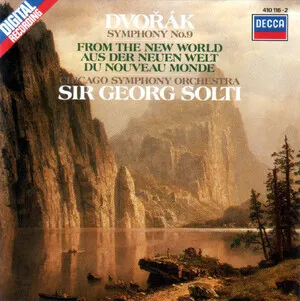
Romanticism interfaced with nationalism as composers drew on folk tunes, dances, and histories (e.g., Glinka, Smetana, Dvořák). Tchaikovsky unified balletic lyricism and symphonic drama; Brahms, often cast as an “absolute music” advocate, rejuvenated Classical forms with Romantic harmony and depth. Orchestras grew (more winds, brass, percussion), the harmonic language became more chromatic and coloristic, and forms stretched in duration and architecture.
Late‑Romantic intensity reached monumental scales in Bruckner and Mahler, whose symphonies explore existential breadth. Wagner’s advanced chromaticism pushed tonal boundaries, paving the way for new 20th‑century languages. Romantic ideals seeded the symphonic poem, film scoring practice, and later neo‑Romantic revivals. Even movements reacting against Romanticism (e.g., Impressionism) bear its imprint in timbre and harmonic exploration.

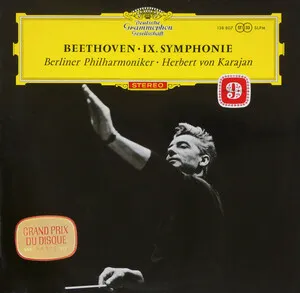
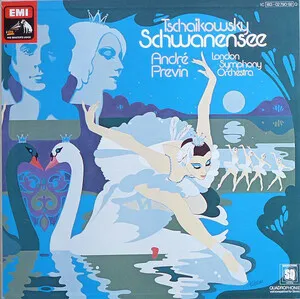
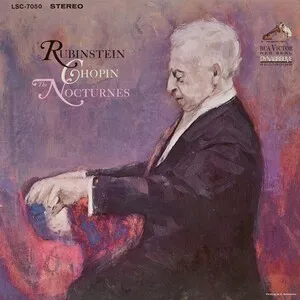
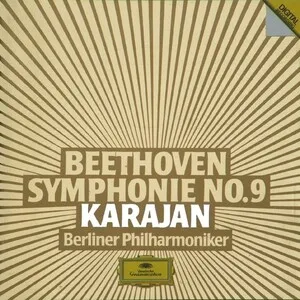
Top albums