Your digging level
Description
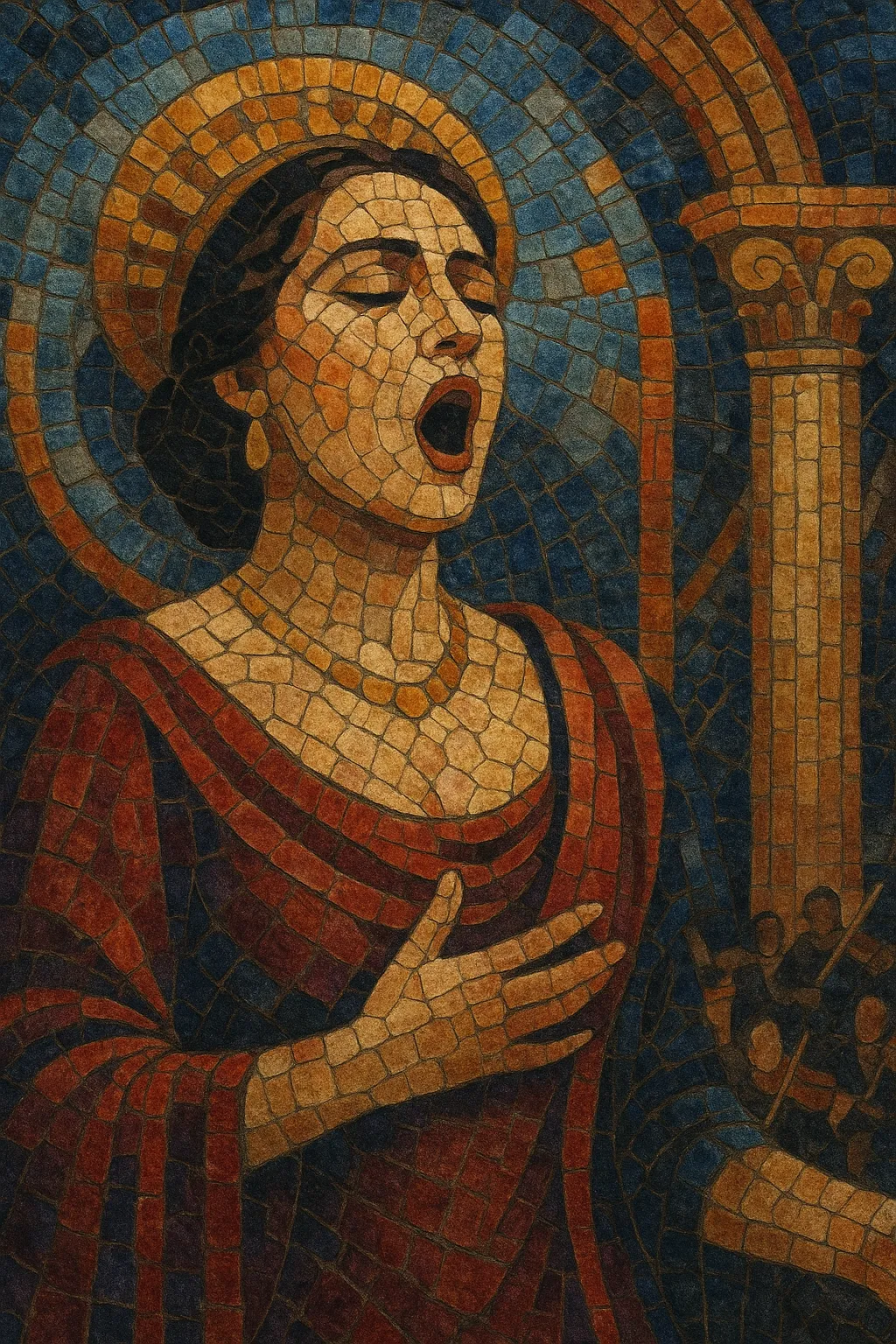
Opera is a large-scale theatrical genre that combines music, drama, and visual spectacle, in which the story is primarily conveyed through singing accompanied by an orchestra. It unites solo voices, ensembles, and chorus with staging, costumes, and often dance to create a total artwork.
Emerging in late Renaissance Italy and flourishing in the Baroque era, opera developed signature forms such as recitative (speech-like singing that advances the plot) and aria (lyrical numbers that explore character and emotion). Over the centuries it evolved diverse national styles—Italian bel canto, French grand opéra, German music drama—while continually experimenting with orchestration, harmony, narrative structure, and stagecraft.
History
Opera arose in late 16th‑century Florence, where humanists of the Camerata sought to revive the affective power of ancient Greek tragedy through a new, declamatory singing style (monody). Early works by Jacopo Peri and Giulio Caccini culminated in Claudio Monteverdi’s pioneering operas, which fused expressive recitative with lyrical arias and instrumental ritornellos.
In the Baroque era, Italian opera spread across Europe. Distinctions formed between serious opera (opera seria) with mythic or heroic subjects and comic strains that foreshadowed opera buffa. Star castrati dominated stages; the da capo aria became a structural hallmark. In France, Jean‑Baptiste Lully developed tragédie en musique, blending French declamation, dance, and chorus, while Handel’s London operas epitomized international Italianate style.
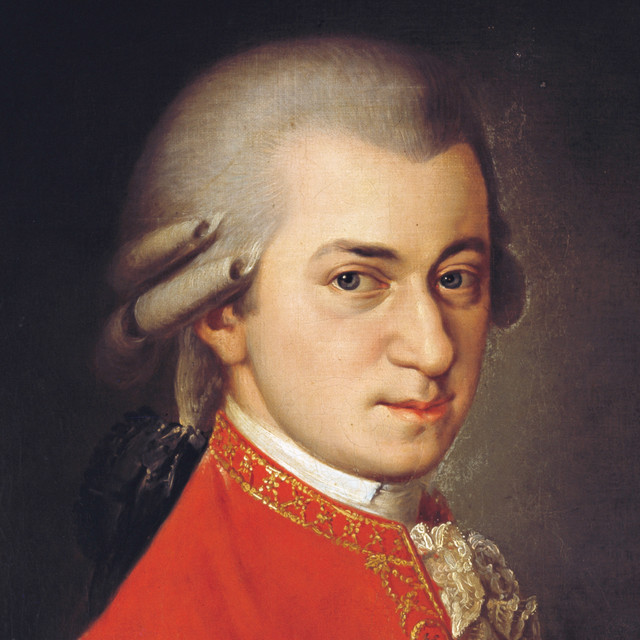
Christoph Willibald Gluck’s reforms streamlined plots and integrated music with drama, curbing virtuoso display in favor of expressive clarity. Mozart synthesized Italian and German traditions in works that balanced ensemble writing, characterization, and formal elegance, laying the groundwork for Classical opera’s dramatic cohesion.
Italian bel canto flourished with Rossini, Bellini, and Donizetti, emphasizing supple vocal lines and expressive ornamentation. In Paris, grand opéra showcased historical spectacle, large choruses, and elaborate staging. Verdi expanded dramatic realism and orchestral color, deepening character psychology and political resonance.
Richard Wagner recast opera as Gesamtkunstwerk (total artwork), employing continuous music, leitmotifs, and expanded orchestras to bind narrative and sound. Richard Strauss later pushed harmonic language and orchestral virtuosity while maintaining dramatic intensity.
Verismo brought gritty contemporary subjects and heightened emotional immediacy, notably in Puccini’s operas. The 20th century saw stylistic pluralism—from neoclassicism to atonality, minimalism, and electronics—plus innovations in staging and dramaturgy. Contemporary opera continues to experiment with multimedia, diverse languages, and inclusive storytelling.