Your digging level
Description
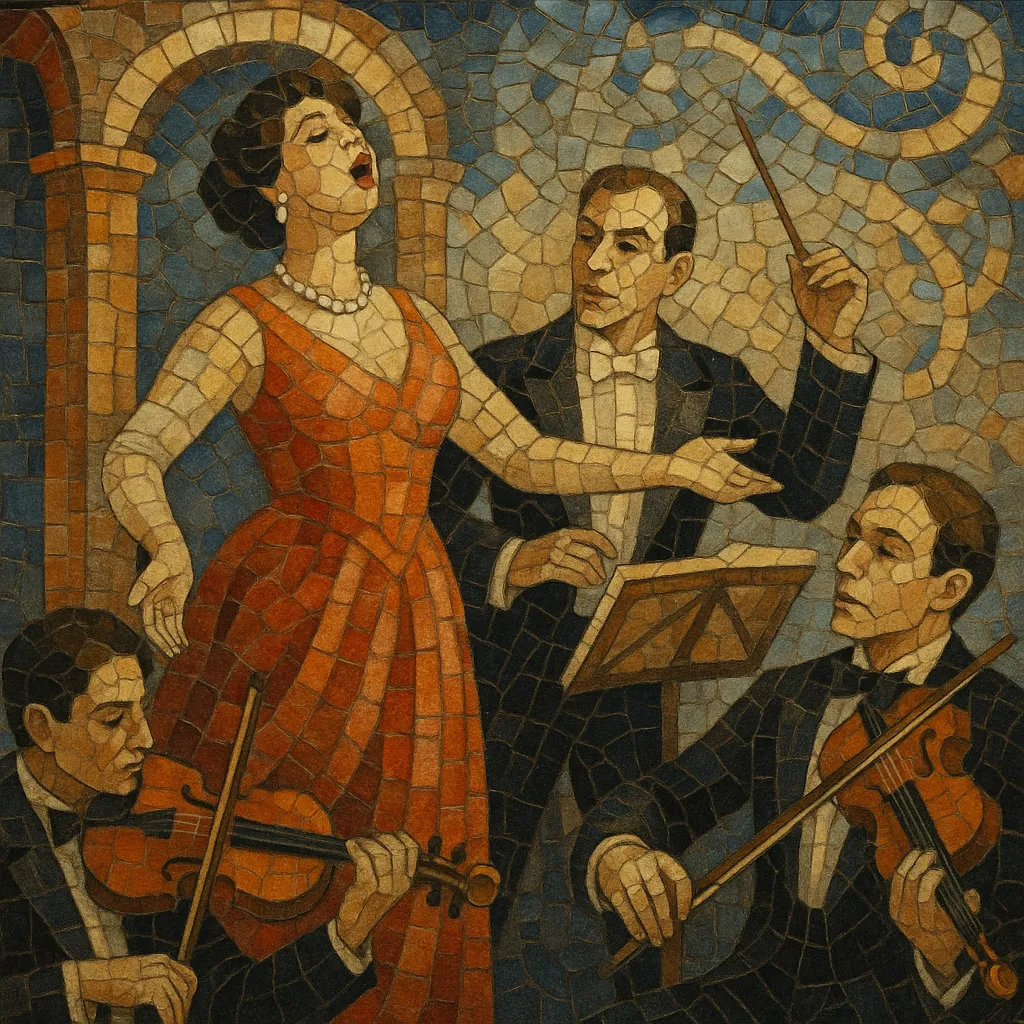
Operetta is a light, theatrical form of musical drama that blends spoken dialogue with tuneful, dance-inflected numbers and comic plots. It favors memorable melodies, witty wordplay, and a buoyant orchestral palette over the heavy dramatic weight of grand opera.
Emerging in mid-19th-century Paris and quickly flourishing in Vienna and beyond, operetta draws on popular dance rhythms (especially the waltz and march), satirical or romantic storylines, and clear, lyrical vocal writing. It serves as a bridge between opera and modern musical theatre, balancing classical technique with popular appeal.
History
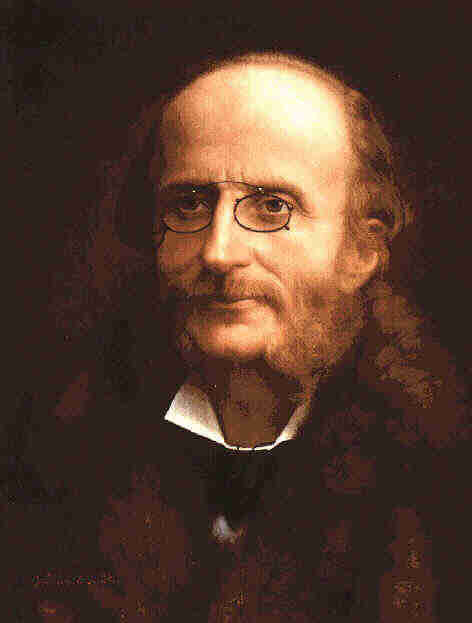
Operetta coalesced in Paris in the 1850s, with Jacques Offenbach’s Théâtre des Bouffes-Parisiens providing a model for short, satirical works that combined spoken dialogue and catchy numbers. Drawing on the traditions of opéra comique, vaudeville, and the broader operatic world, Offenbach’s works established operetta’s hallmark wit, dance rhythms, and light orchestration.
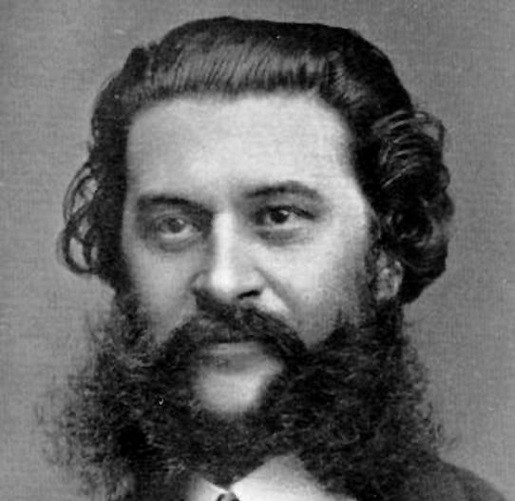
Vienna transformed operetta into a glittering, dance-suffused idiom. Composers such as Franz von Suppé and Johann Strauss II infused the genre with the Viennese waltz and refined orchestration, while later masters like Franz Lehár, Emmerich Kálmán, Oscar Straus, Leo Fall, and Carl Millöcker developed more romantic plots and lush harmonies. This "Silver Age" polished operetta’s charm with cosmopolitan flair and enduring hits.
In Britain, W. S. Gilbert and Arthur Sullivan forged a distinctly English comic-operatic branch—often called Savoy opera—marrying sharp satire to impeccable craft. In the United States, figures like Victor Herbert and Sigmund Romberg adapted European operetta for American tastes, contributing to the lineage that would seed Broadway’s early development.
By the early 20th century, operetta increasingly intersected with revue and musical comedy, paving the way for modern musical theatre. Though fashions shifted after the 1930s, the repertoire endures in opera houses and festivals, and its melodic ease, danceable rhythms, and comic sensibility continue to inform musical theatre, classical crossover, and popular vocal performance.

Top albums