Your digging level
Description
Hollywood (as a music genre) denotes the stylistic language of American film music and screen musicals shaped around the Los Angeles studio system. It is characterized by lush late‑Romantic orchestration, bold leitmotivic themes linked to characters and ideas, and tightly synchronized cues that heighten on‑screen drama.
While its orchestral core stems from European symphonic tradition brought by émigré composers, Hollywood music also absorbed American popular idioms—Tin Pan Alley songcraft, jazz/big‑band colors, and later rock, electronic timbres, and sound‑design—creating a flexible, narrative‑first style that can shift from sweeping romance to suspense, comedy, or spectacle within a single score.
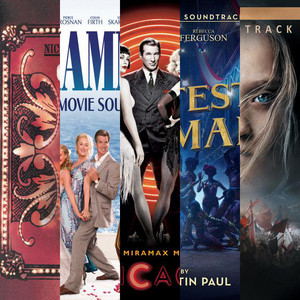
In practice, “Hollywood” spans two intertwined streams: (1) symphonic film scoring for dramas, adventures, epics, and animation, and (2) cinematic song forms found in screen musicals and contemporary film pop to carry story and character.
History
With the rise of synchronized sound, studios in Los Angeles formalized film music departments. European‑trained émigrés such as Max Steiner and Erich Wolfgang Korngold brought late‑Romantic symphonic technique and Wagnerian leitmotif to the screen, establishing the archetype of the “Hollywood Sound.” Alfred Newman’s studio leadership codified workflows: orchestrators, copyists, and large studio orchestras working on tight schedules.
The classic idiom crystallized: big string sections, prominent brass fanfares, harp/piano doublings, and woodwind color solos. Scores were symphonic in scope yet modular, built as short cues around dramatic beats. In parallel, screen musicals flourished, marrying Tin Pan Alley/Broadway song forms with cinematic staging and dance.
Composers like Bernard Herrmann advanced psychological scoring, new colors (low winds, strings effects), and economy of motif. Jazz and pop idioms entered via Henry Mancini and contemporaries. Experimental textures and smaller ensembles reflected changing film narratives and location shooting.
John Williams’s neo‑Romantic symphonic style revived large‑scale leitmotif in adventure and fantasy franchises, while Jerry Goldsmith expanded harmonic/rhythmic palettes and electronics. Screen songs continued to drive box‑office and charts, and animation embraced Broadway‑inflected songwriting.
Hans Zimmer and colleagues popularized hybrid orchestral design—layered ostinati, synth basses, processed percussion, and sound‑design—alongside traditional orchestras. Meanwhile, Hollywood musicals and character‑driven film songs resurfaced cyclically, often blending contemporary pop production with theatrical storytelling.