Your digging level
Description
Romance is a term with two closely related musical meanings.
-
•
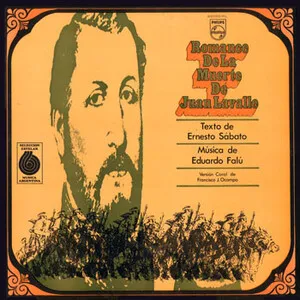
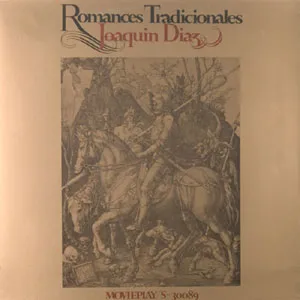
In medieval and early modern Spain it denotes a narrative sung poem (romancero): strophic ballads built from octosyllabic lines with assonant rhyme on the even lines. These songs circulated orally, later appearing in cancioneros and spreading across the Iberian world and into Sephardic and Hispanic American traditions.
•From the late 18th century the word was adopted in art music for brief, simple, and tender lyrical pieces—sometimes vocal but very often purely instrumental (e.g., for violin, piano, or winds). As The Oxford Dictionary of Music notes, it generally implies a specially personal, gentle, or intimate character.
History
The Spanish romance emerged from medieval narrative song and epic/lyric traditions. Sung by juglares and transmitted orally, romances crystallized into compact strophic stories in octosyllabic verse with assonant rhyme on even lines. By the 15th–16th centuries they were collected in printed romanceros and cancioneros, while also living on in domestic and communal performance.
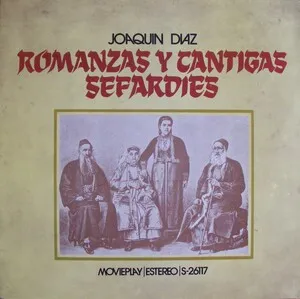
After 1492, Sephardic communities carried Spanish romances into the Mediterranean and Near East, preserving archaic variants and adding local melodic flavors. In the Americas, the romance’s narrative ballad model fed the development of Hispanic song-poetry across New Spain and the Southern Cone, informing later forms of Mexican and Andean narrative song.
In the later 18th century, within the Galant and Classical idioms, Romance came to label short, lyrical movements and stand-alone pieces—often Adagio/Andante, cantabile in style, and ABA in form. Composers such as Beethoven (two Romances for violin and orchestra) and later Dvořák, Tchaikovsky, and Saint-Saëns cultivated the instrumental romance’s tender expressivity. In French and Italian vocal repertoires, simple strophic songs were likewise titled "romance/romanza," a precursor milieu to the more sophisticated mélodie and the Romantic Lied.
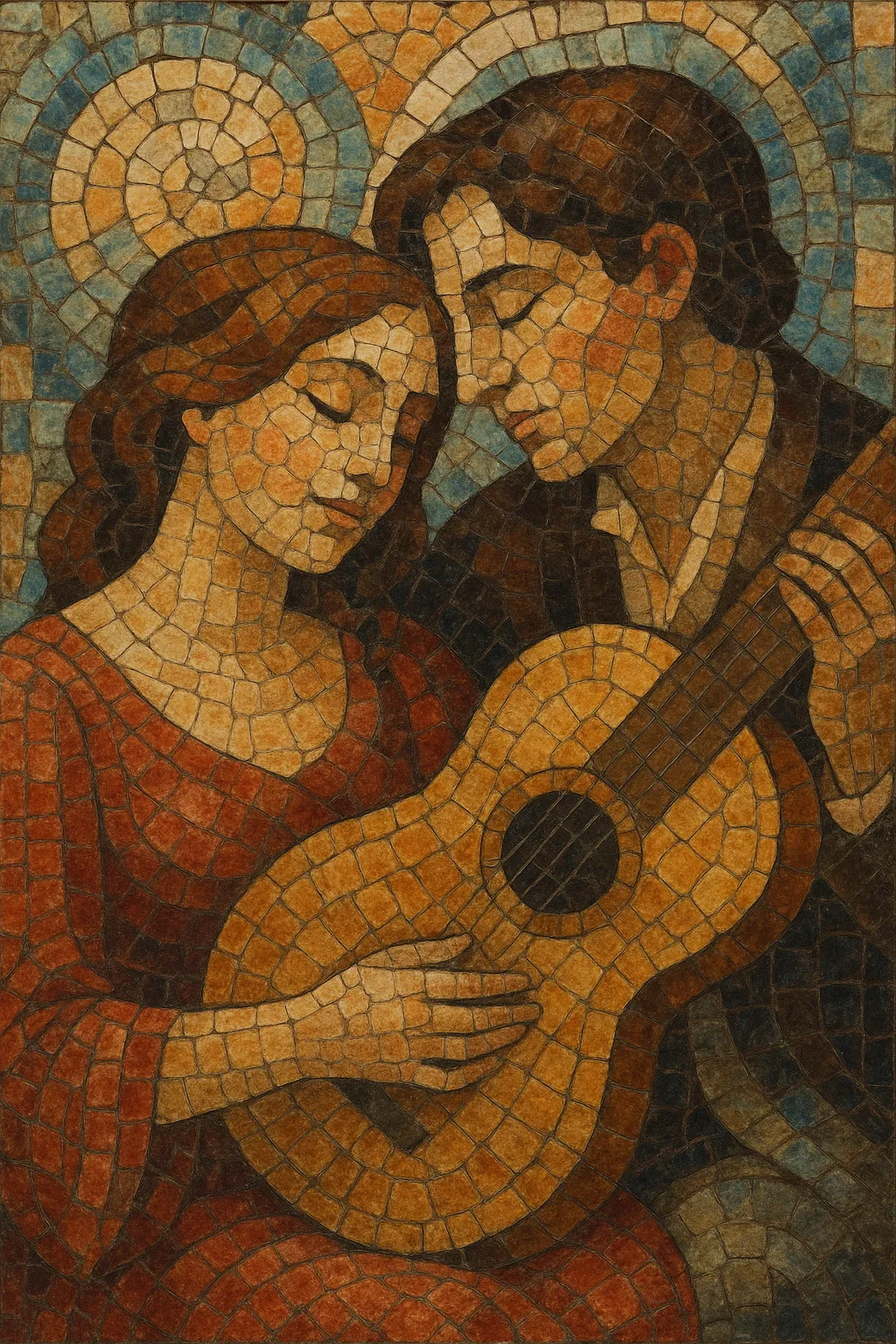
The Iberian romancero gained renewed life via folk revivals and early-music performance (often with vihuela, lute, or guitar), while the anonymous “Romance Anónimo” (Spanish Romance) became one of the best-known classical guitar pieces through 20th-century recordings and film (e.g., Jeux interdits). Today, romance names both a living oral/folk narrative song family in the Hispanic world and a classical mini-genre prized for its intimate, singing line.