

Your digging level
Description
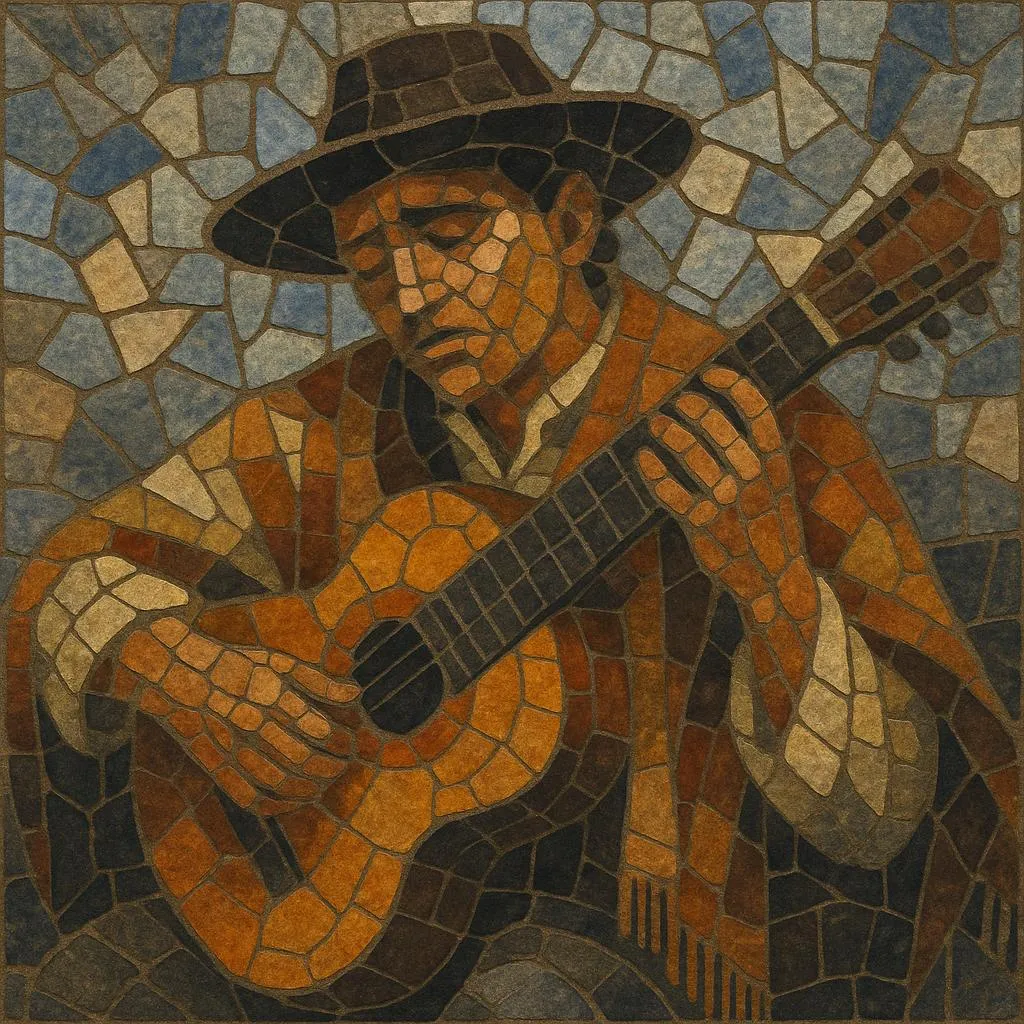
Vidalita is a creole song form from the Río de la Plata region, closely associated with Uruguay and northern/central Argentina. It belongs to the family of gaucho lyrical genres (alongside the estilo, cifra, triste, and rural milonga) and is performed primarily as a strophic solo song with guitar.
Its defining hallmark is the refrain word “vidalita,” interjected as a vocative or lament, often placed at the beginning, end, or mid-line of verses. Lyrics typically use octosyllabic lines with assonant rhyme and dwell on themes of longing, distance, and tender melancholy. The musical setting is generally slow to moderate, in minor-mode or modal mixtures, and the accompaniment favors a gentle 6/8–3/4 sesquiáltera sway or a flexible rubato akin to recitative. While related in name to the northern Andean vidala, the vidalita of the pampas and the Río de la Plata has its own creole poetic-musical profile, centered on voice and guitar rather than drum-accompanied canto.
History
Vidalita emerged in the 1800s within the broader creole song culture of the Río de la Plata. Gaucho singers and payadores (improvising bards) cultivated intimate, poetic song forms that adapted Iberian romances and décima traditions to local life and guitar technique. The refrain-word “vidalita” functioned as a vocative address—part sigh, part invocation—marking the genre’s plaintive, confiding tone.
Although its name evokes the Andean vidala, the Río de la Plata vidalita developed as a distinct creole lyric song in the pampas and along the riverine towns. It shared poetic meters (octosyllables, assonant rhymes) and a taste for melancholy with sibling forms like the triste, cifra, and estilo, but kept a recognizable stamp through the use of the word “vidalita” and characteristic melodic turns.
In the 20th century, folklorists, payadores, and singer‑songwriters canonized the vidalita in concert and on record. Argentine and Uruguayan artists such as Atahualpa Yupanqui, Alfredo Zitarrosa, and their contemporaries brought the form to urban audiences, maintaining its intimate vocal delivery and refined guitar accompaniment. Recordings and radio helped standardize a slow-to-moderate tempo, minor/aeolian color, and gentle sesquiáltera (the interplay of 6/8 and 3/4) typical of Río de la Plata genres.
Today, the vidalita appears in the repertoires of folkloric ensembles, solo guitar‑voice recitals, and singer‑songwriters who draw on gaucho poetics. It continues to influence tango canción’s lyric sensitivity and the broader nueva canción latinoamericana’s integration of traditional metrics and themes into modern songcraft. While often performed in a classic, understated manner, contemporary renditions may enrich harmony, extend form, or blend it with other regional idioms.

